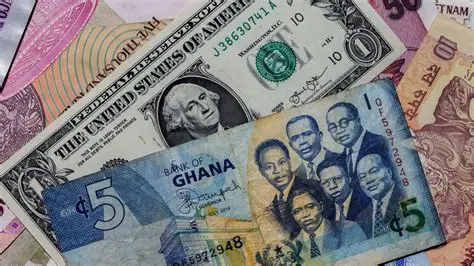
The exchange rate between the United States Dollar and the Ghanaian Cedi continues to be a major concern for businesses, investors, and everyday consumers in Ghana.
In 2026, the cedi has experienced noticeable fluctuations, raising questions about what is driving these changes and what it means for the economy.
As of today, the dollar-to-cedi exchange rate remains volatile, with the cedi showing periods of both appreciation and depreciation against the dollar.
These fluctuations affect:
- Prices of imported goods
- Fuel costs
- Cost of living
- Business operations
Because Ghana relies heavily on imports, even small changes in the exchange rate can have a significant impact on the economy.
One of the main reasons for the cedi’s fluctuation is the strong demand for the U.S. dollar. Importers, businesses, and individuals often require dollars for international transactions, putting pressure on the cedi.
Inflation remains a key factor affecting the value of the cedi. When inflation rises, purchasing power decreases, weakening the local currency.
Government spending, debt levels, and overall economic performance also play a role in determining exchange rate stability.
Global trends also influence the exchange rate. A strong U.S. economy often leads to a stronger dollar, which can weaken other currencies, including the cedi.
Events such as oil price changes, global inflation, and international trade dynamics all contribute to currency movements.
The Bank of Ghana plays a critical role in stabilizing the currency.
Measures such as:
- Interest rate adjustments
- Foreign exchange interventions
- Monetary policies
can help manage volatility, but results may take time to reflect in the market.
Market expectations and speculation can also drive exchange rate changes. If traders expect the cedi to weaken, they may rush to buy dollars, increasing demand and causing further depreciation.
A weaker cedi leads to higher prices for imported goods, including food, electronics, and fuel.
Businesses that rely on imports face higher costs, which may be passed on to consumers.
On the positive side, a weaker cedi can benefit exporters, as Ghanaian goods become more competitive internationally.
Experts suggest that the cedi’s performance will depend on:
- Government fiscal discipline
- Global economic stability
- Continued intervention by the Bank of Ghana
If these factors improve, the cedi may stabilize. However, volatility is likely to remain in the short term.
To cope with exchange rate changes, individuals and businesses can:
- Monitor exchange rates regularly
- Plan purchases in advance
- Diversify income sources
- Reduce reliance on imports where possible
The dollar to cedi exchange rate today reflects both local and global economic pressures. While fluctuations are expected in any economy, understanding the factors behind them can help individuals and businesses make informed decisions.
As Ghana continues to navigate economic challenges, the stability of the cedi remains a key priority.
