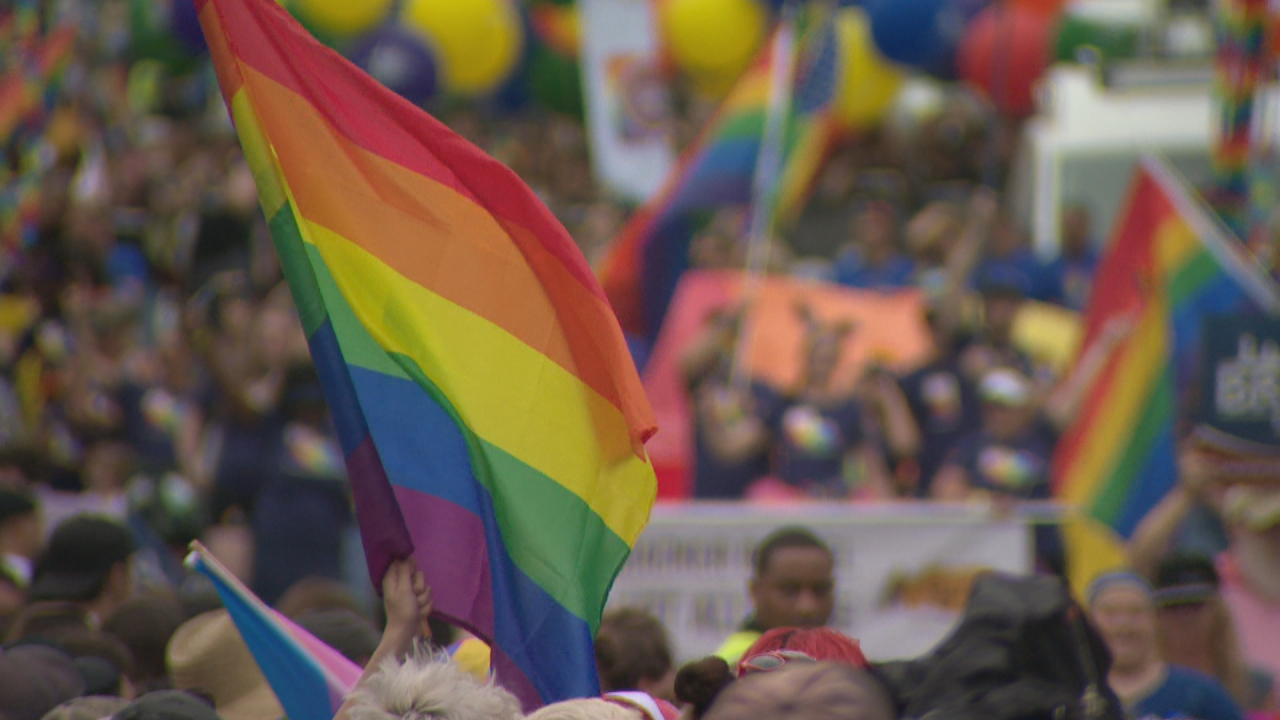
The Ghanaian Parliament’s passage of the Promotion of Proper Human Sexual Rights and Ghanaian Family Values Bill widely referred to as the anti-LGBTQ bill is indeed one of the most polarizing legislative developments in recent years.
- Criminalization of LGBTQ+ activities: Same-sex relations, advocacy, and promotion of LGBTQ+ causes are penalized.
- Targeting of support networks: Individuals, groups, or organizations accused of funding or supporting LGBTQ+ activities face sanctions.
- Professional exemptions debate: Proposed exemptions for journalists, medical professionals, psychologists, and counsellors were rejected by sponsors like John Ntim Fordjour, who argued they could create loopholes.
- Frame the bill as a defense of Ghanaian cultural, religious, and family values.
- Religious bodies and traditional leaders strongly endorsed it, claiming it reflects the moral beliefs of the majority.
- Warn of violations of constitutional rights:
- Freedom of expression
- Freedom of association
- Protection from discrimination
- Human rights groups argue it conflicts with Ghana’s international obligations under treaties protecting minority rights.
- Legal experts highlight risks of undermining Ghana’s democratic principles and rule of law.
- The bill was first introduced in June 2021 by Sam George and other MPs, followed by public hearings in 2021–2022.
- It has drawn international attention, with global human rights organizations and foreign governments expressing concern.
- Passage is expected to trigger continued debate domestically and internationally, potentially affecting Ghana’s diplomatic relations and aid partnerships.
This development places Ghana at the center of a global conversation about the balance between cultural sovereignty and human rights obligations.
