
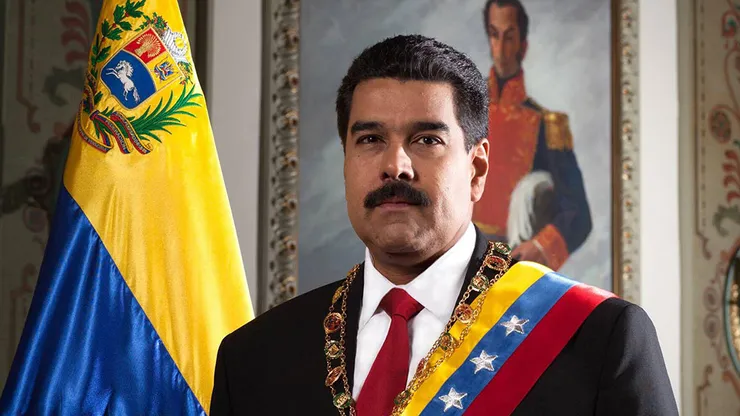
Nicolás Maduro was born on November 23, 1962, in Caracas, Venezuela. Before entering politics, he worked as a bus driver and later became a trade union leader. His political career gained momentum through his close association with Hugo Chávez, the charismatic leader of Venezuela’s socialist “Bolivarian Revolution.”
Maduro held several key positions under Chávez, including foreign minister from 2006 to 2013 and vice president from 2012 until Chávez’s death in 2013. Following Chávez’s passing, Maduro was chosen as his سیاسی successor and narrowly won the 2013 presidential election.
Maduro officially became president in April 2013, inheriting a country heavily dependent on oil revenues. His time in power was marked by deep political divisions, economic decline, and widespread unrest. Inflation soared, basic goods became scarce, and millions of Venezuelans fled the country in search of better living conditions.
His leadership has been highly controversial. Critics—including opposition groups and international organizations—have accused his government of authoritarian practices, electoral manipulation, and human rights abuses. Meanwhile, Maduro and his allies have consistently argued that Venezuela’s crisis is the result of foreign interference, particularly from the United States.
Maduro was re-elected in 2018 and again claimed victory in later elections, though both were widely disputed. Opposition leaders and several countries refused to recognize the results, leading to a prolonged political crisis. At one point, rival claims to the presidency emerged, deepening instability in the country.
Under Maduro’s rule, Venezuela experienced one of the worst economic collapses in modern history. Oil production declined sharply, inflation reached extreme levels, and public services deteriorated. According to international estimates, millions of Venezuelans emigrated, creating a major regional refugee crisis.
In January 2026, Maduro’s presidency came to a dramatic turning point when the United States carried out a military operation that resulted in his capture. He was later indicted on charges related to drug trafficking and other crimes, which he has denied.
