
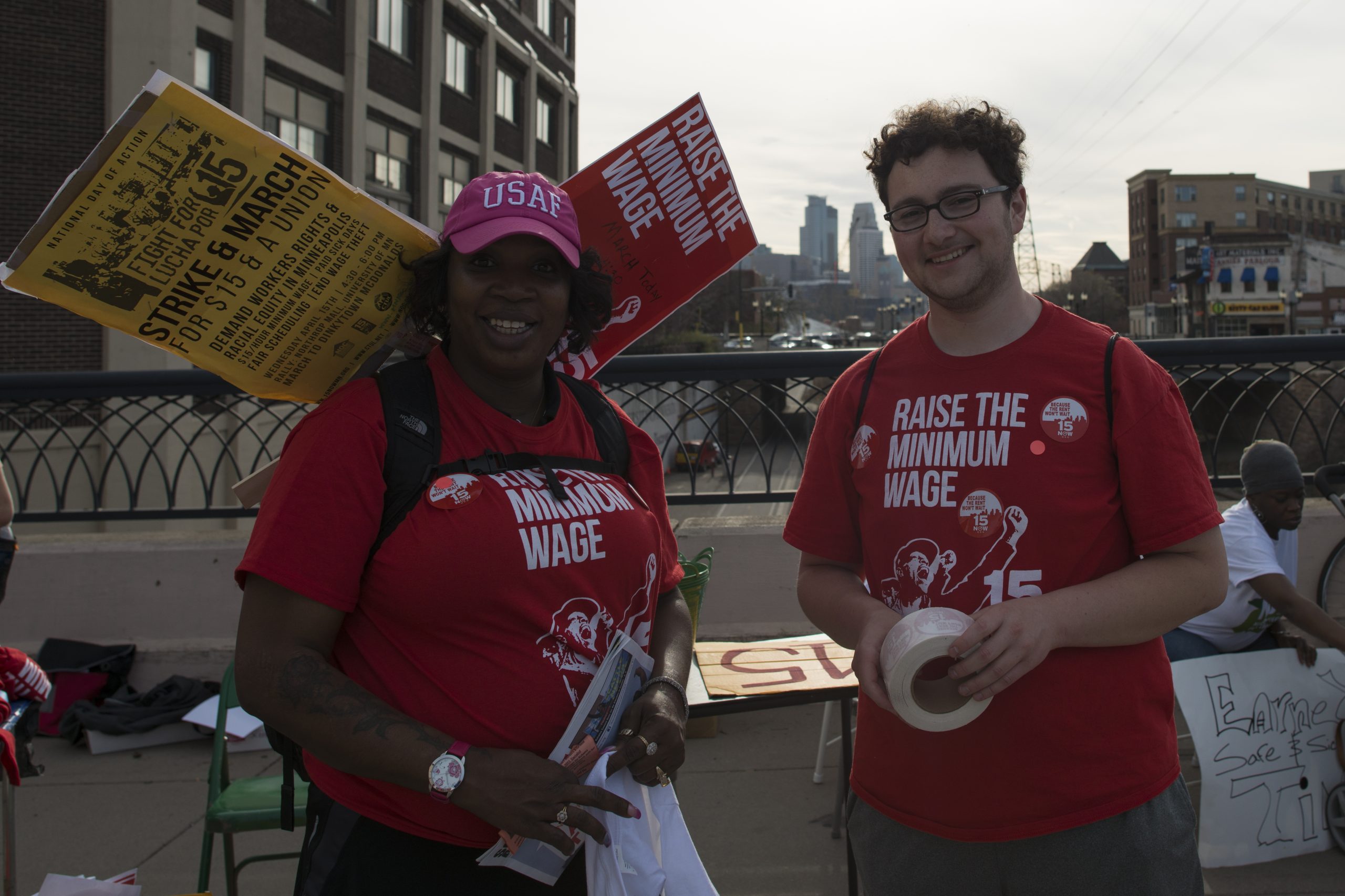
Minimum wage increases take effect in 16 states on January 1, 2027, lifting pay for more than 6.6 million workers while the federal minimum wage remains $7.25 an hour, where it has stood since July 24, 2009. The Economic Policy Institute counted the state increases in a study published on November 20, and estimated the average full-time worker affected would gain about $645 over the year. A further 48 cities and counties raise their own local minimums on the same day.
Most of the state changes are inflation adjustments written into existing law, calculated from a price index and published by state labor departments during the fall. Others follow schedules legislated years in advance. Michigan has the largest confirmed increase, rising $1.27 to $15 an hour, and Rhode Island rises a full dollar to $17. Workers in Michigan and Rhode Island stand to gain close to $900 a year on average, the largest amounts in the institute’s estimates.
Washington keeps the highest statewide rate in the country, moving from $17.13 to $17.73. Connecticut reaches $17.48 and California $17.40, while New Jersey moves to $16.48 for most employers. Colorado rises 55 cents to $15.71, with a tipped minimum of $12.69, and its local rates run higher: Denver reaches $19.84 an hour in 2027, and Seattle, the highest-profile city rate, moves to $22.14. New York is the exception among high-wage states, holding at $17 in New York City, Long Island and Westchester and $16 elsewhere in the state.
The federal floor divides the map. Twenty states still apply the $7.25 federal rate because they set no higher minimum of their own, so a worker’s legal hourly floor in 2027 will range from $7.25 to $17.73 depending entirely on the state, and higher still in cities with their own ordinances. District of Columbia has the highest minimum of any jurisdiction at $18.40, set in July 2026, though it is not a state rate.
The political argument has not moved with the state numbers. In Congress, members of the Congressional Progressive Caucus and the Living Wage for All coalition unveiled a push this month for a $25 federal minimum wage, with supporters arguing a national baseline should reflect costs in expensive cities and opponents, including conservative economists cited in coverage of the proposal, warning about prices and jobs in lower-cost states. No federal increase has been announced for 2027, and none is scheduled.
For employers, the practical work is immediate: payroll systems in the affected states and cities need the new rates loaded before the first January pay run, including the separate tipped cash wages that apply in most of the same jurisdictions. For the workers covered, the increase arrives automatically on January 1, in states where legislatures acted years ago and in states where an inflation formula did the work this fall.
