
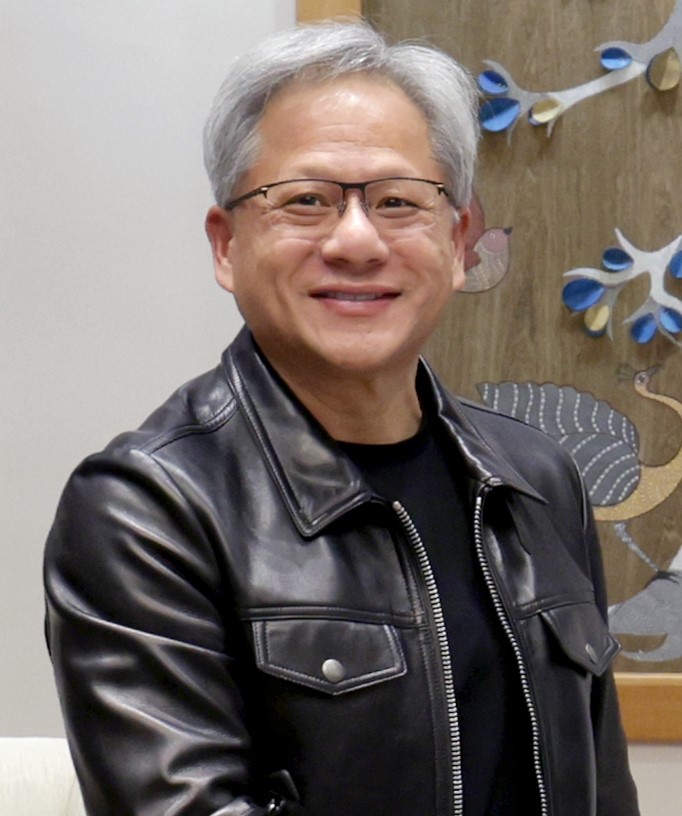
Nvidia reinstated Jensen Huang as its chief executive, president and a member of its board on Monday, November 23, eleven days after he resigned from all three roles. The board voted unanimously to bring him back, effective immediately, and said it was satisfied with his candor and his ability to lead the company after a series of discussions and meetings with him.
Huang resigned on November 12 after reports of at least two extramarital affairs, including one involving a woman the United States government suspects of being a Chinese intelligence operative. The relationship raised questions that ran beyond personal conduct, because Nvidia’s advanced AI chips sit at the center of Washington’s export controls on China and because the company has been linked in reporting to partner firm Megaspeed. Nvidia said its investigation into reporting that Huang had been the target of a foreign intelligence effort would continue.
The company’s stated reason for acting now was national security clearance rather than the affairs themselves. Nvidia said it had received input from senior levels of the United States government and that, based on that input, the board was confident Huang’s reinstatement posed no national security risk. Board chair Harvey Jones, who took the chair after Huang’s removal, said the board believed Huang was the right person to lead Nvidia and that his return served the interests of stockholders, employees, partners and customers.
The reversal was abrupt even by the standards of the past fortnight. On a November 17 earnings call, Jones said the board did not intend to reinstate Huang, and the company had engaged an executive search firm to help find a permanent chief executive. Colette Kress, the chief financial officer who served as interim CEO and presented the third-quarter results, will remain CFO. A petition calling for Huang’s return gathered more than 177,000 signatures, including Elon Musk and Tim Sweeney, according to Reuters.
Markets treated the announcement as the removal of an overhang. Nvidia shares rose more than 30 percent in early trading on Monday, with Reuters putting the initial jump at 33 percent, after the stock had lost roughly a third of its value during Huang’s absence. The Nasdaq rose 6 percent and the S&P 500 rose 4 percent, recovering much of Friday’s fall, as investors returned to AI-linked shares. President Donald Trump welcomed the decision in a Truth Social post, calling the board’s move correct and proper.
The reinstatement settles who runs Nvidia, at least for now. It does not close the investigation the company says is continuing, nor the political argument in Washington over chip exports to China that formed the backdrop to Huang’s resignation. The board has decided the leadership question and left the other questions open.
