
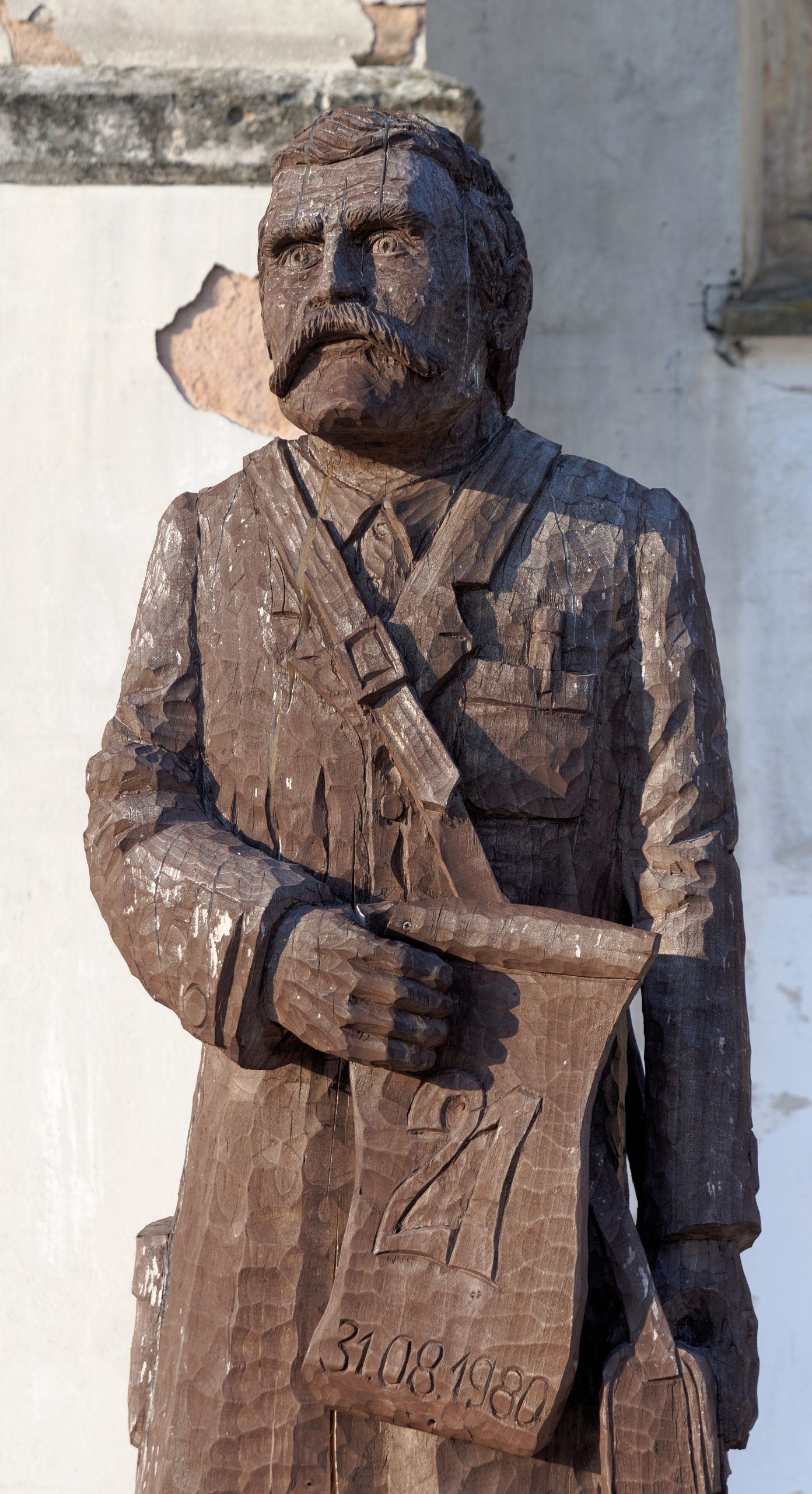
Lech Wałęsa spent last week in Washington with one request. The Lech Wałęsa Washington visit carried that request to university halls and think tanks across the city. The former Polish president and Nobel Peace Prize laureate asked Americans to take back the leading role in world affairs. After all, he says the country has let that role slip. Ukraine’s war with Russia stood at the center of the request. So did the guarantees Ukraine received when it surrendered its nuclear weapons.
First, at American University’s School of International Service on November 17, Wałęsa spoke alongside Dean Emeritus Louis Goodman. He argued that the United States had failed after the Cold War. In particular, it had not encouraged other regions to follow Europe’s example of international cooperation. He warned against a return to an era in which powerful countries expand their territory by force. He also drew a pointed comparison. It set President Donald Trump’s ambitions to acquire Greenland beside Russia’s invasion of Ukraine. Then, the next evening, November 18, he spoke at George Washington University’s Elliott School of International Affairs. The Institute for European, Russian and Eurasian Studies hosted the roundtable. Cold War historians Hope M. Harrison and James G. Hershberg joined him there.
Lech Wałęsa Washington: reclaim your leadership role
He delivered his core line at GW in October, at the start of a monthlong Washington stay. Since then, he has repeated it through the visit. “I’ve got one thing to ask of you: Reclaim as Americans your leadership role in the world,” Wałęsa said. At GW he described the two methods he used against communist rule in Poland. The first was peaceful persuasion, arguing opponents into changing position. The second was physical resistance to the Soviet system. He then connected that experience to present conflicts involving Russia, Ukraine and Taiwan. Earlier, he had met Taiwan’s president, Lai Ching-te, in Taipei in March, where the two discussed democratic resilience, technology and supply chains.
From the Gdańsk shipyard to the presidency
Wałęsa’s standing to make the argument rests on his biography. An electrician at the Gdańsk shipyard, he led the Solidarity movement. In fact, it was the first independent trade union in the Soviet bloc. He won the Nobel Peace Prize in 1983. Then he became Poland’s first democratically elected president after communism fell. His Washington remarks credited President Bill Clinton and former ambassador Daniel Fried. They helped bring Poland into NATO, which it joined in 1999. They also helped put it on the road to the European Union.
The Washington swing followed a stop in Arkansas earlier this month. There, Wałęsa headlined Cold War Week at the National Cold War Center in Blytheville on November 6 and 7. He also took part in a conversation moderated by author John Grisham. He also joined the unveiling of the center’s Berlin Wall collection. In Arkansas, meanwhile, he spoke openly about his Catholic faith at each stop. Taken together, the trip has been part history tour and part lobbying effort. Still, the message was the same in each city. The man who helped end the Cold War in Europe thinks the alliance needs its leader back. After all, that alliance won the Cold War.
