
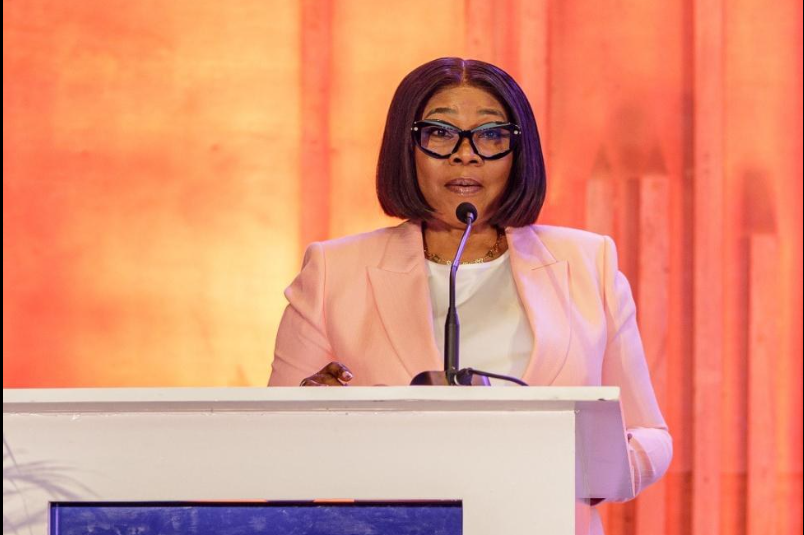
The Second Deputy Governor of the Bank of Ghana, Matilda Asante-Asiedu, has urged female small and medium-scale enterprise (SME) owners to formalise their businesses, build strong financial identities and position themselves for growth beyond Ghana’s borders.
Speaking at the Glitz Africa Women CEOs Summit in Accra, Mrs Asante-Asiedu delivered a keynote address on the theme, “Unlocking Finance and Markets for Women-Led Enterprises: Accelerating Trade, Growth and Economic Transformation.”
According to her, women currently own 44 per cent of SMEs in Ghana, yet fewer than 10 per cent of women-led businesses are able to access formal credit.
She explained that although financial inclusion in Ghana has improved significantly, access to meaningful capital remains a major challenge for many women entrepreneurs.
Mrs Asante-Asiedu noted that account ownership has reached 81 per cent nationwide, but many women still struggle to secure financing needed to expand their businesses.
“The way forward is clear: rethink credit systems, design fit-for-purpose financial products, and unlock capital at scale,” she said.
The BoG official also highlighted the opportunities presented by the African Continental Free Trade Area, describing it as a gateway for women entrepreneurs to expand into international markets.
She said the AfCFTA opens access to a $3 trillion market across 54 African countries, creating opportunities for women-owned businesses to grow beyond local markets.
“To every woman building: formalise, build your financial identity, think beyond borders, and position for growth. This is the decade to scale,” she stressed.
Mrs Asante-Asiedu further urged banks and other financial institutions to stop treating women entrepreneurs as a charitable group and instead recognise them as a commercially viable market segment.
According to her, women-led businesses have consistently demonstrated strong repayment records and prudent investment practices.
She therefore called for the introduction of women-focused financial products to improve access to credit for female entrepreneurs.
“So to the financial institutions, stop treating women entrepreneurs as a charitable constituency and start treating them as the most commercially compelling segment,” she stated.
