
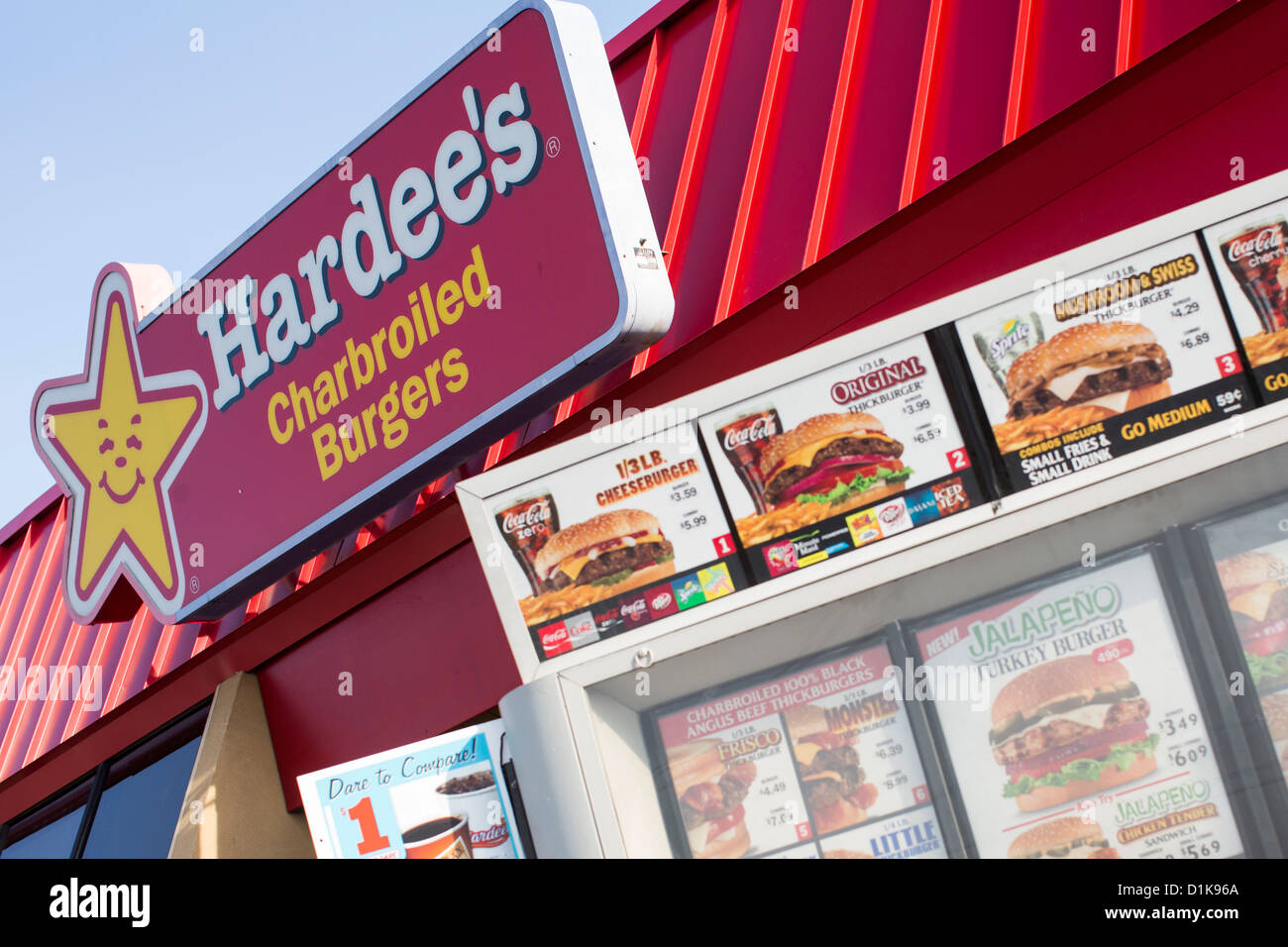
Hardee’e is one of the most recognizable names in the U.S. fast-food industry, known for its charbroiled burgers, hearty breakfast menu, and strong presence in the American South and Midwest. While it may not dominate globally like some competitors, its history, branding, and loyal customer base have secured it a lasting place in fast-food culture.
Hardee’s was founded in 1960 by Wilber Hardee in Greenville, North Carolina. What began as a single restaurant selling inexpensive burgers, fries, and milkshakes quickly grew into a franchise operation. By the end of the 1960s, the chain had already expanded to hundreds of locations, driven by strong demand and an aggressive franchising strategy.
The brand’s early success came from simple, affordable food and a focus on consistency, key ingredients that helped it compete in the rapidly growing fast-food market of the mid-20th century.
Through the 1970s and 1980s, Hardee’s expanded rapidly, acquiring other chains and introducing new menu items that would become staples. Its “Made from Scratch” biscuits and breakfast offerings became especially popular, helping the brand stand out in a crowded market.
In 1997, Hardee’s was acquired by CKE Restaurants, which also owns Carl’s Jr. This merger created a dual-brand system where the same core menu is marketed under different names in different regions of the United States.
Over time, Hardee’s positioned itself as a slightly more indulgent fast-food option, emphasizing thick burgers, hand-breaded chicken, and larger portions compared to some competitors.
Hardee’s identity is built around bold, hearty food. Its menu features charbroiled Angus beef burgers, hand-breaded chicken tenders, and its iconic breakfast biscuits, which are still made fresh throughout the day in many locations.
Unlike chains that focus heavily on speed and uniformity, Hardee’s has leaned into a “quality and flavor” image, often marketing itself as offering more substantial meals. This positioning has helped it maintain a loyal following, particularly in regions where it has a long-standing presence.
Despite its strong identity, Hardee’s has remained largely a regional powerhouse rather than a global leader. The chain operates thousands of locations, primarily in the eastern United States, with a smaller international footprint.
Its closest brand counterpart, Carl’s Jr., serves western U.S. markets, effectively splitting the company’s reach geographically. This strategy has allowed the parent company to maintain two strong identities rather than merging them into one.
Like many fast-food chains, Hardee’s has faced modern challenges, including rising costs, changing consumer preferences, and franchise disputes. Recent reports in 2026 highlighted financial struggles among some franchise operators, including a major franchisee filing for bankruptcy and closing dozens of locations.
These issues reflect broader pressures in the fast-food industry, where inflation, labor shortages, and shifting dining habits are forcing brands to adapt quickly. At the same time, Hardee’s continues to experiment with new menu items and promotions to stay competitive.
Hardee’s story is one of steady growth, adaptation, and resilience. From its humble beginnings in North Carolina to becoming a major fast-food brand, it has carved out a distinct identity centered on bold flavors and hearty meals.
While it may not rival the global reach of some competitors, Hardee’s remains a significant player in the industry, one that continues to evolve as it navigates the challenges of a changing food landscape.
