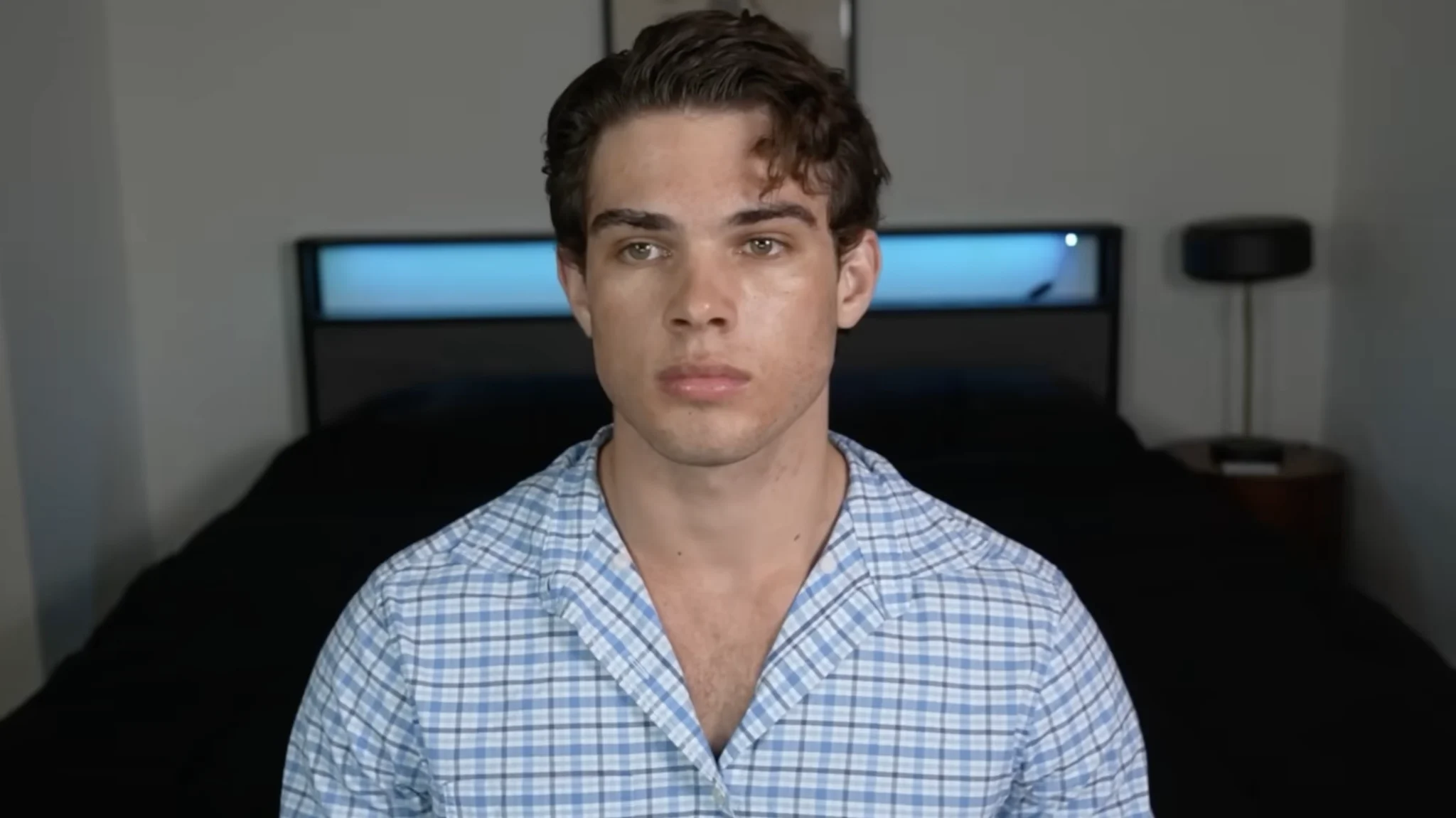
A shocking incident involving online influencer Clavicular (Braden Eric Peters) has sparked widespread concern about influencer culture, substance use, and the pressures of online identity.
The 20-year-old content creator was hospitalized on April 14, 2026, following a suspected overdose that occurred during a livestream, raising serious questions about the risks tied to viral fame.
The incident unfolded in real time as Clavicular streamed from a mall and later a restaurant in Miami.
Viewers quickly noticed something was wrong. He appeared disoriented, slurred his speech, and repeatedly said he was “destroyed.” Moments later, he became unresponsive, forcing friends to abruptly end the stream and rush him to the hospital.
Emergency services reportedly received a call about a “20-year-old male overdose” at the scene, confirming the seriousness of the situation.
Following the incident, Clavicular was admitted to a hospital and later described the experience as “brutal,” particularly the use of life-support equipment during treatment.
He has since been discharged and is recovering at home, according to reports.
In a post after the incident, he admitted that he had been using substances as a coping mechanism, saying it was an attempt to “feel normal” in public, though he acknowledged it was not a real solution.
Authorities have not confirmed the exact substances involved in the overdose.
However, the livestream footage and eyewitness accounts suggest possible drug use prior to the collapse. At one point, another influencer mentioned “addy” (a common slang term for Adderall), though it remains unclear what Clavicular actually consumed.
This uncertainty has only fueled speculation online, highlighting how little is often known in the immediate aftermath of such incidents.
Clavicular rose to fame through content promoting “looksmaxxing”—an online trend focused on maximizing physical attractiveness through extreme methods. Looksmaxxing
This movement has drawn heavy criticism for encouraging dangerous practices, including:
- Steroid use
- Extreme dieting
- Experimental or unverified cosmetic techniques
- Substance abuse
Experts warn that such content can negatively influence young audiences, especially when presented as a pathway to success or confidence.
Even before the overdose, Clavicular was no stranger to controversy.
He gained attention for provocative livestreams, controversial statements, and risky behavior, including past legal issues and investigations tied to his content.
His rapid rise reflects a broader trend where shock value and extreme content often drive engagement—sometimes at the expense of personal safety.
Influencers are under constant pressure to perform, entertain, and stay relevant. This can lead to risky behavior, including substance use.
Clavicular’s content is primarily consumed by young men, making the normalization of dangerous habits particularly concerning.
His admission about using substances to cope highlights the often-overlooked mental health struggles behind social media personas.
The overdose incident has reignited debates about responsibility, both for influencers and the platforms that amplify them.
While audiences often consume content for entertainment, real-life consequences can be severe, as this case demonstrates.
Clavicular’s suspected overdose is more than just a viral moment, it’s a stark reminder of the risks associated with online fame, extreme self-improvement trends, and substance use.
As he recovers, the incident leaves behind an important question: how far is too far in the pursuit of attention and validation online?
