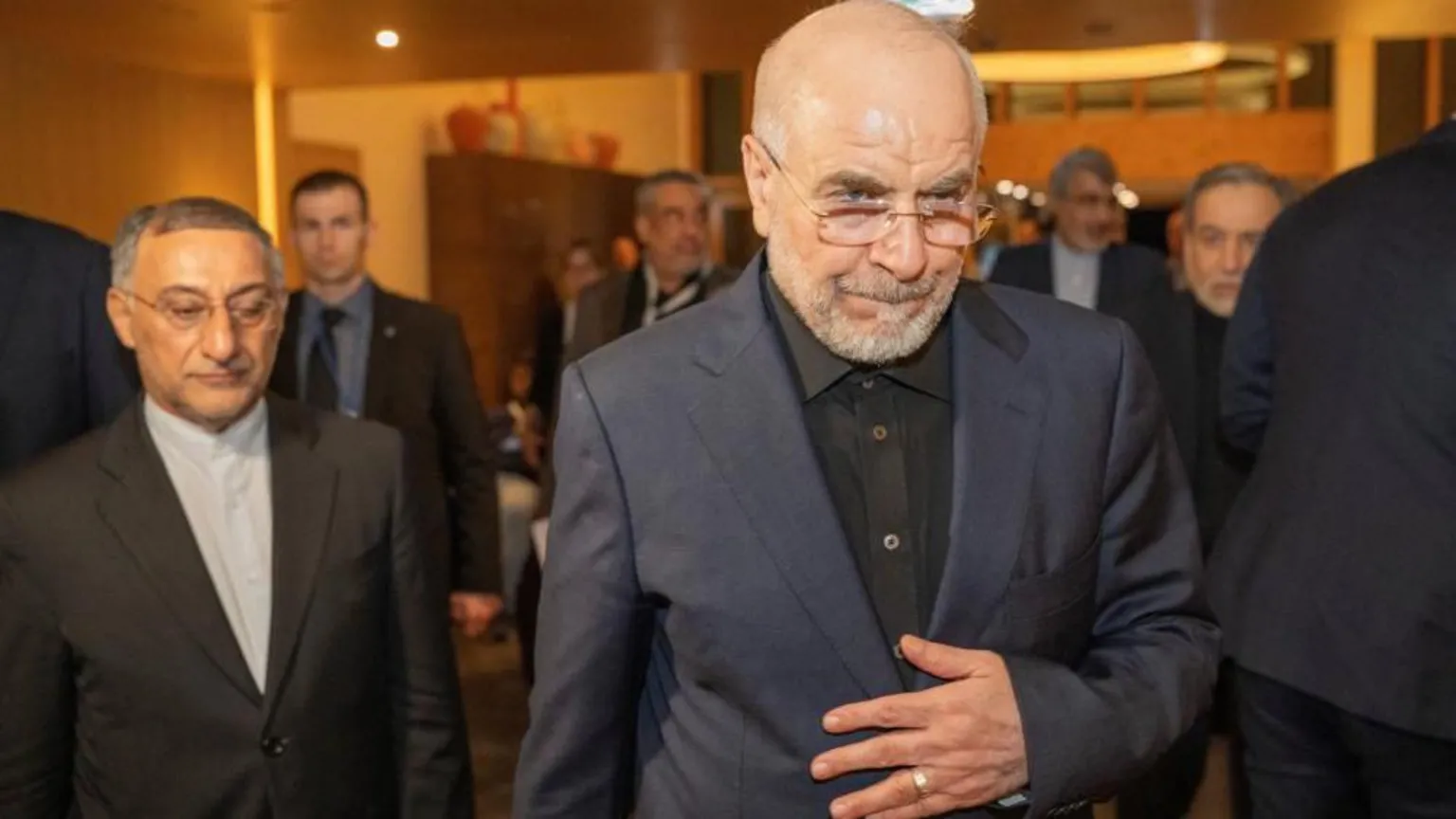
President Donald Trump and Iran’s chief negotiator, Mohammad Bagher Ghalibaf, exchanged warnings on Sunday as the United States and Iran opened direct talks in Switzerland.
The talks followed an initial agreement aimed at ending the recent conflict. Both sides hope to reach a final deal within 60 days.
Fresh tensions overshadow talks
The meeting in Lucerne came as fighting continued in southern Lebanon. Israeli air strikes reportedly killed dozens of people, including women and children, according to Lebanon’s health ministry. Hezbollah attacks also continued despite calls for restraint.
Before the talks began, Trump urged Iran to restrain Hezbollah. He accused the Lebanese group of fuelling tensions with Israel. Trump also warned that the United States would respond strongly if attacks continued.
Ghalibaf rejected the warning. He said Iran was ready for any confrontation.
“Do they think that if their threats had any effect, they would not be in this desperate situation today? No matter how much they talk, it is we who take action,” he said.
Fighting appeared to ease on Sunday. However, Israeli Prime Minister Benjamin Netanyahu said troops would remain in southern Lebanon for as long as necessary. He said the deployment was needed to protect northern Israel.
Hezbollah leader Naim Qassem opposed any continued Israeli presence. He said the group would defend itself.
US seeks a new chapter with Iran
Speaking before the negotiations, US Vice-President JD Vance said President Trump wanted both countries to “turn over a new leaf”.
Vance said Washington was ready to transform relations with Tehran. He said that would happen if Iran ended activities that the US sees as destabilising and abandoned long-term nuclear weapons ambitions.
Iran insists that its nuclear programme serves peaceful purposes.
Vance attended the talks with special envoy Steve Witkoff and Trump’s son-in-law Jared Kushner. Ghalibaf attended with Iranian Foreign Minister Abbas Araghchi.
Officials from Pakistan and Qatar also travelled to Switzerland. Both countries have acted as mediators during the conflict. Qatar welcomed the continuation of talks between Washington and Tehran.
Strait of Hormuz remains a concern
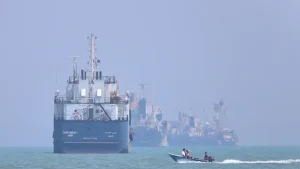
The preliminary agreement called for Iran to reopen the Strait of Hormuz. Around 20% of the world’s oil and gas supplies pass through the waterway.
Iran later announced that it had closed the strait. However, shipping data showed vessels continued to move through the route.
The agreement also includes a $300 billion reconstruction plan for Iran. It further calls for the removal of US sanctions.
Negotiators have not yet resolved the issue of Iran’s nuclear programme. That issue remains one of the key causes of the conflict.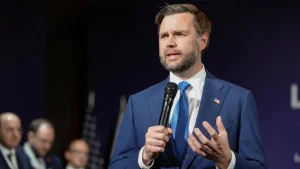
Violence continues in Lebanon
Despite ceasefire efforts, fighting in Lebanon has continued.
Lebanese authorities say more than 4,000 people have died since early March. Israeli officials say dozens of soldiers and several civilians have also been killed.
Israel says its campaign against Hezbollah is separate from its conflict with Iran. The fighting spread into Lebanon after Hezbollah launched attacks following a strike that killed Iran’s supreme leader.
The talks in Switzerland are a major test for both sides. Their success could determine whether the fragile ceasefire develops into a lasting peace agreement.
This version uses simpler vocabulary, reduces passive voice, adds subheadings, and keeps most sentences under 20 words to better satisfy Yoast SEO readability guidelines.