
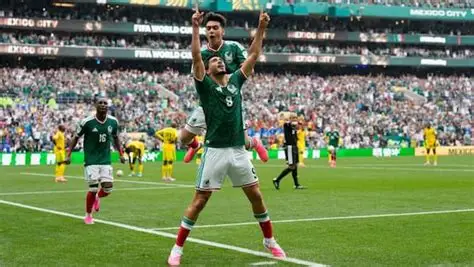
The spirit of African solidarity often seen during the FIFA World Cup was noticeably absent when South Africa faced Mexico in the tournament’s opening match.
Instead of rallying behind fellow Africans, many football fans across the continent openly supported Mexico as Bafana Bafana suffered a disappointing 2-0 defeat to the World Cup co-hosts.
Social media platforms were flooded with light-hearted memes featuring sombreros, mariachi bands and tacos. However, behind the humour lay deeper frustrations linked to reports of xenophobic violence and anti-migrant sentiment in South Africa.
Following the final whistle, users from several African countries celebrated Mexico’s victory, with some directly connecting their support for the North American side to ongoing tensions involving migrants in South Africa.
One user questioned why Africans should support South Africa solely because of geography, citing concerns over the treatment of foreign nationals. Another joked that South Africa should return home early from the tournament “to protect their jobs” — a reference to claims often made by anti-migrant groups blaming foreigners for unemployment.
Prominent Kenyan lawyer Ahmednasir Abdullahi also joined the online conversation, posting that he hoped South Africa would not blame African migrants for the defeat and the two red cards received during the match.
Many supporters embraced Mexican symbols for the occasion, changing profile pictures to Mexican flags and adopting Spanish-sounding names under the slogan “Mexico versus xenophobia.”
For some fans, the decision to support Mexico was about sending a message.
Congolese football supporter Daniel Kaniki, speaking from a fan park in Atlanta, said Africa should stand together and that countries targeting fellow Africans undermine that sense of unity.
Not everyone shared that view.
Ghanaian supporter Vanlare Quist said he backed South Africa because the team represented Africa on the global stage. He argued that anti-immigrant attitudes should not be used to judge an entire nation.
Support for South Africa was also strong in South Sudan, where many citizens maintain historical ties with the country. South Africans played an important role in supporting South Sudan’s independence movement and the struggle against apartheid.
In Juba, 23-year-old student George Kenyi Charles Rehan said African nations should unite behind South Africa during the World Cup because the team was representing the continent.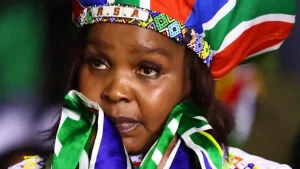
Despite the online criticism, the South African government praised Bafana Bafana for their effort. In a statement, officials commended the team’s determination and pride, even though the result fell short of expectations.
South African social media users were equally vocal in defending their country. Many argued that South Africa qualified for the World Cup on merit and should not be judged based on the actions of a minority.
The online backlash comes amid growing concerns over the treatment of migrants in South Africa. In recent weeks, foreign nationals from other African countries have reportedly faced intimidation and threats, with anti-migrant groups demanding that undocumented migrants leave the country by June 30.
South African President Cyril Ramaphosa has warned citizens against taking the law into their own hands, stressing that only authorised government officials can enforce immigration laws. At the same time, he acknowledged that public concerns about migration deserve attention.
Several African countries have responded to the tensions by repatriating some of their citizens. Nigeria recently joined Ghana, Zimbabwe and Malawi in evacuating nationals who felt threatened by the growing anti-migrant rhetoric.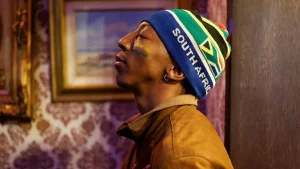
South Africa has long attracted migrants from across the continent since the end of apartheid in 1994. However, with unemployment remaining above 30%, resentment toward foreign nationals has intensified in some communities, leading to periodic protests and xenophobic attacks.
As South Africa’s World Cup campaign begins with defeat, the reaction across Africa highlights how political and social tensions can sometimes overshadow football’s traditional message of continental unity.
