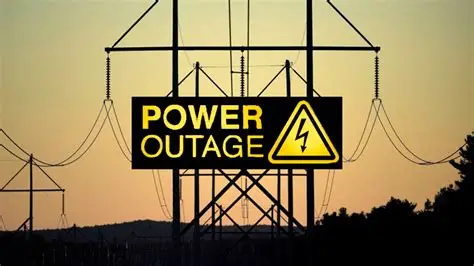
Ghanaians experienced significant power disruptions on Sunday, April 19, 2026, as the carried out both planned and emergency maintenance across key parts of the country. The outages were not random; they were part of a coordinated effort to stabilize the national grid after a series of technical faults and infrastructure failures.
According to official updates, the power cuts were necessary to address damaged high-tension poles, feeder faults, and other network issues that had already caused outages a day earlier. Engineers were deployed to fix these problems while also upgrading ageing infrastructure to prevent future disruptions.
In the Tema Region, several communities experienced a scheduled blackout from 9:00 am to 4:00 pm, affecting both homes and businesses. Areas such as Philipkope, Greenstone Junction, Perftech, Ataa Mensah, Teye Kwame, and the Afienya Youth Centre were directly impacted.
At the same time, the Ashanti Region faced an even longer outage, with emergency maintenance running from 9:00 am to 5:00 pm. The disruption centered around the Bantama Racecourse Market and nearby areas, a busy commercial hub where electricity supply is critical for daily economic activity.
The April 19 outages were largely triggered by serious technical issues that emerged the previous day. In parts of the Ashanti West Region, broken high-tension poles and feeder faults caused widespread power loss, affecting communities such as Ohwimase Hill Top, Old Town, and surrounding areas.
Additional faults on major feeders, including the St. Hubert and Guinness 1 lines, further worsened the situation, cutting power to multiple neighborhoods and forcing urgent intervention from ECG engineers.
For many residents, the outages disrupted normal routines, from household activities to small businesses that depend heavily on electricity. In commercial areas like Bantama, traders and vendors faced temporary shutdowns, highlighting how sensitive Ghana’s urban economy is to power stability.
While such maintenance exercises are necessary, they continue to raise concerns about the reliability of electricity supply, especially as demand grows in rapidly developing areas.
The maintained that the outages were essential to improving long-term service delivery. The company also assured customers that engineers were working “diligently” to restore power as quickly as possible and prevent further deterioration of the network.
These interventions were part of a broader effort to strengthen infrastructure and reduce the frequency of unexpected outages, an issue that has remained a sensitive topic in Ghana.
The April 19 power cuts highlight an ongoing challenge within Ghana’s energy sector: balancing maintenance needs with consistent electricity supply. While planned outages help improve infrastructure, their frequency and timing continue to spark public debate about whether more sustainable, long-term solutions are being implemented.
For now, the events of April 19 serve as a reminder that Ghana’s power system is still undergoing critical upgrades, and that occasional disruptions may remain part of that process.
