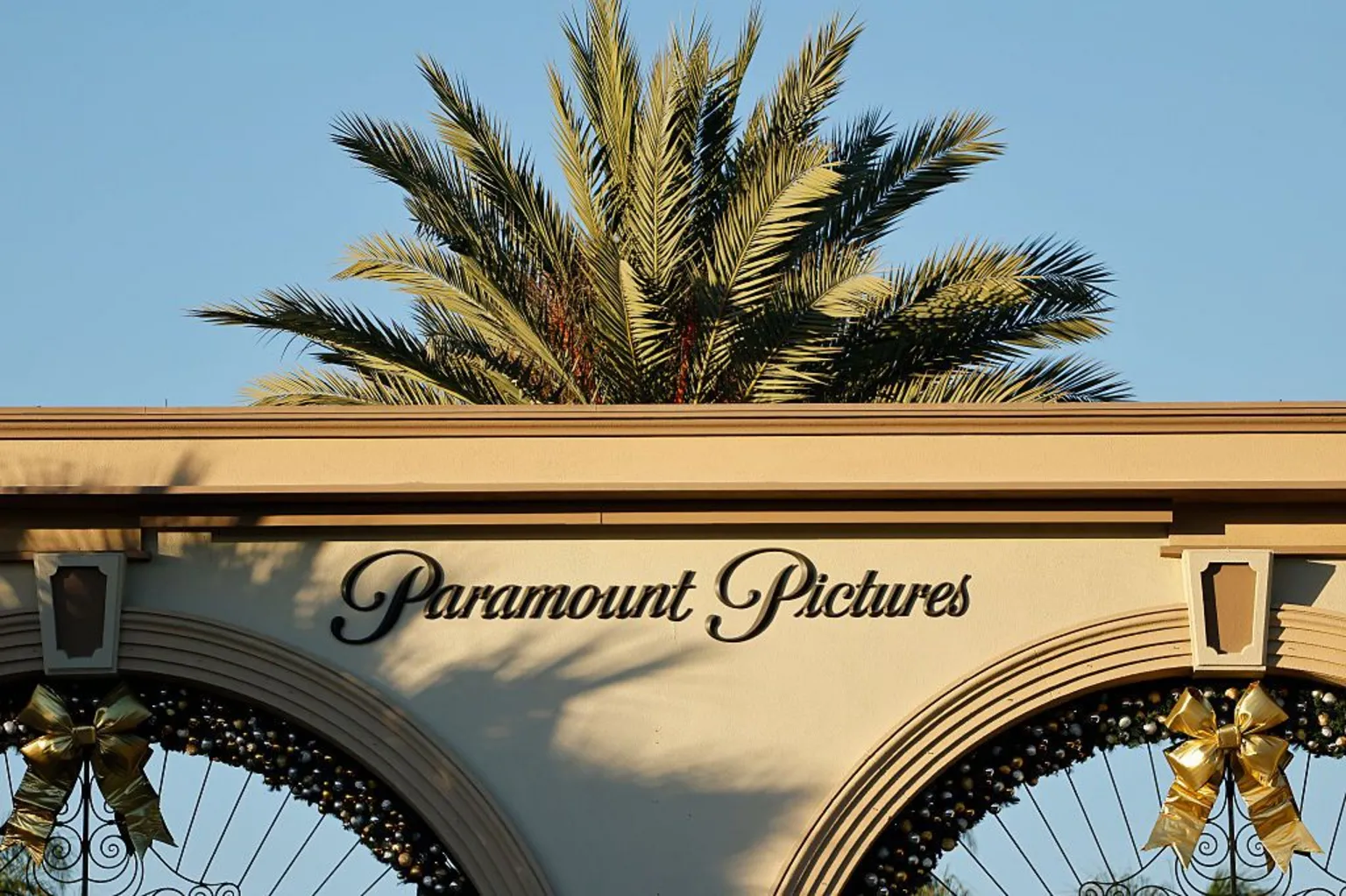
The European Commission has approved Paramount’s proposed $110 billion (£85 billion) takeover of Warner Bros Discovery after the companies agreed to competition remedies, although the blockbuster merger remains on hold in the United States due to ongoing legal challenges.
The approval comes after Paramount agreed to terminate its major European film distribution partnership with Universal Pictures within 13 months and pledged not to enter into a similar arrangement for the next 10 years.
European regulators had expressed concerns that the existing distribution partnership could give the combined company excessive influence over cinema releases across Europe.
US legal battle delays completion
Despite securing regulatory approval in Europe, the merger still faces significant hurdles in the United States.
Although the US Department of Justice announced in June that it supported the transaction, a coalition of 12 US states filed a lawsuit last week seeking to block the takeover.
The states argue that the merger would substantially harm movie theatres, cable television distributors and consumers by reducing competition in the entertainment industry.
A few days later, US Judge Araceli Martínez-Olguín issued a temporary restraining order, pausing completion of the merger while the court considers the legal challenge.
Corporate transactional lawyer Alon Kapen said the court’s decision, while temporary, suggests the judges are taking the states’ competition concerns seriously.
“The TRO itself is just a short pause and doesn’t decide the case, but it signals that the court views the states’ theatrical-market theory as serious,” he said.
Delay could prove costly
The prolonged legal process could have major financial consequences for Paramount.
Under the merger agreement, if the takeover is not completed by September 30, Paramount will be required to pay Warner Bros shareholders a “ticking fee” of approximately $7 million per day until the transaction is finalised.
Writers oppose merger
The proposed merger has also drawn opposition from the Writers Guild of America (WGA), which argues that combining two of Hollywood’s biggest studios could weaken the bargaining power of writers.
Following the lawsuit filed by the 12 states, WGA President Tom Fontana warned that the merged company would have “tremendous power to suppress our wages” and reduce opportunities for emerging writers.
UK regulators still reviewing deal
The transaction is also under review in the United Kingdom, where regulators are assessing its potential impact on local news production, children’s television programming and competition in the streaming market.
Paramount has defended the merger, arguing that the combined company would strengthen investment in filmmaking and benefit audiences.
The company has pledged to release at least 30 films in cinemas each year, doubling its current annual theatrical output if the deal is completed.
