
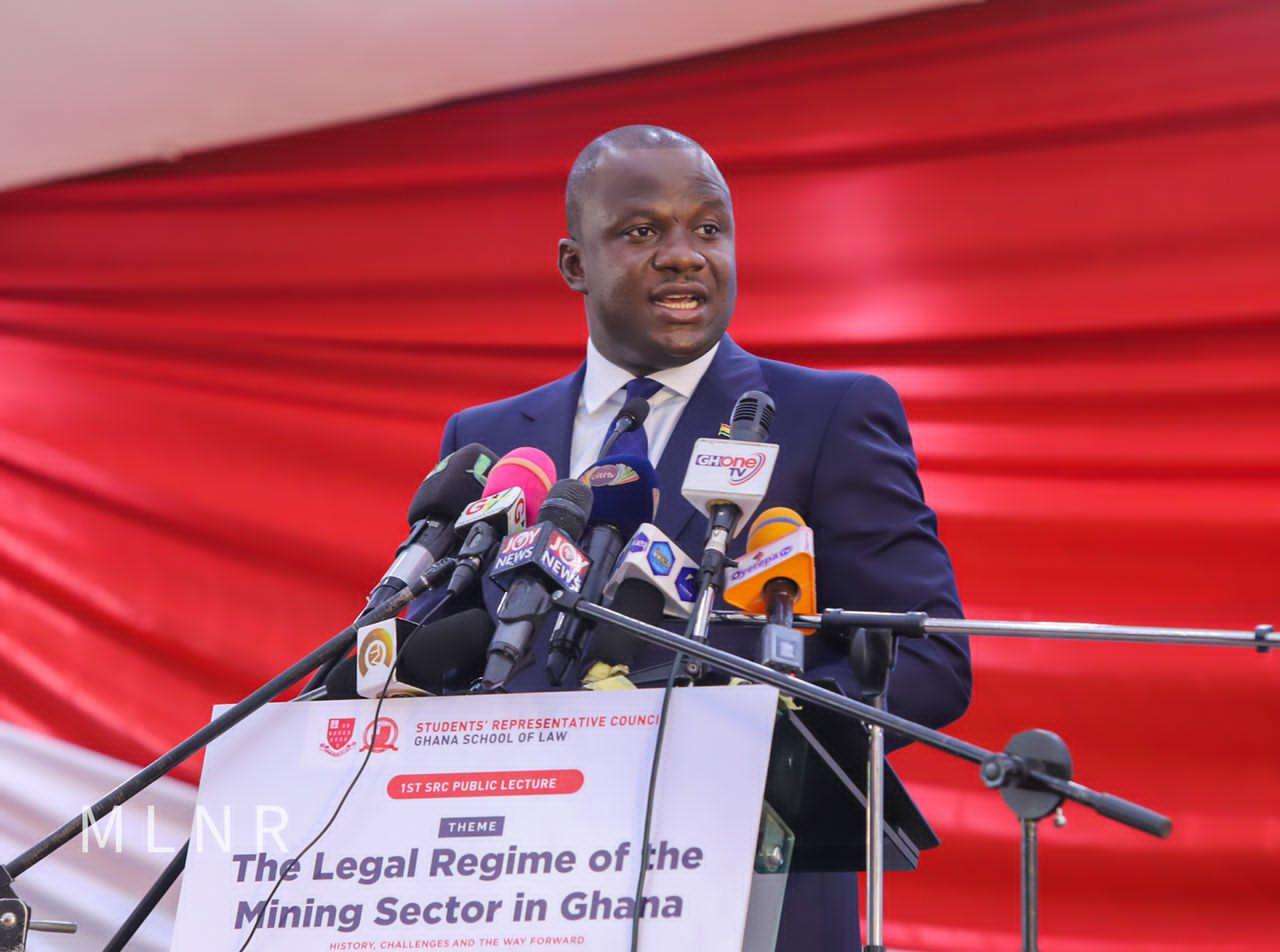
Samuel Abu Jinapor has called for stronger respect for citizens’ rights and strict adherence to the rule of law, cautioning that democratic governance cannot thrive if state institutions are used to intimidate or target political opponents.
Speaking in an interview with journalists, he warned political leaders against applying double standards, stressing that actions considered wrong should not suddenly become acceptable simply because a political party is in power.
“We should never put ourselves in a position where we see wrong to be right when we are in government, and we see right to be wrong when we are in opposition,” he stated.
Mr. Jinapor noted that Ghana’s democratic journey had demonstrated that upholding the rule of law and protecting individual freedoms ultimately served the interests of the nation. He, however, observed that some previous administrations had faced allegations of rights violations, insisting that such actions should not be justified based on political considerations.
He also expressed concern over what he described as the growing use of the criminal justice system to handle matters that should ordinarily be resolved through civil legal procedures.
According to him, issues such as defamation should be addressed through the courts under civil processes rather than through criminal prosecution.
“If I make damaging remarks against a government official or even the President that harm the person’s reputation, the proper course of action should be for the aggrieved party to seek legal redress in court, rather than involving the criminal justice system,” he explained.
Mr. Jinapor further criticised instances where individuals are arrested, detained, or subjected to excessive bail conditions over statements made against political leaders, arguing that bail should not be used as a punitive measure.
He urged political actors and state institutions to avoid actions that could weaken democratic values, stressing that political power is temporary and should not be used to create a cycle of retaliation against opponents.
“It is important that in a democracy, the rule of law prevails, people’s rights are respected, and we avoid situations where changes in government result in the harassment of former officials or members of the opposition,” he said.
He concluded by emphasising that Ghana’s democratic achievements must be protected and strengthened, warning against allowing partisan interests to undermine the country’s progress.
