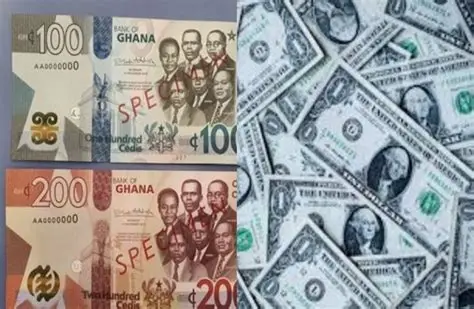
The Bank of Ghana says current pressure on the cedi is temporary and there is no cause for panic.
According to the central bank, Ghana’s reserve position remains strong enough to meet foreign exchange demand in the market.
Sources familiar with the forex market say the country currently holds reserves of about $14.42 billion.
Demand for foreign currency has increased mainly because of higher activity in the energy sector.
International crude oil prices have also risen in recent weeks due to tensions involving the United States and Iran.
The higher oil prices mean importers now need more dollars to buy petroleum products, placing pressure on the cedi.
This development has triggered concerns about the local currency’s recent performance.
Speaking at the 130th Monetary Policy Press Briefing, Johnson Asiama said the central bank has enough foreign exchange buffers to manage the situation.
He explained that seasonal demand for forex, including dividend payments and energy sector needs, contributed to the pressure on the cedi.
Dr. Asiama urged the public to remain calm and assured the market that the Bank is prepared to prevent excessive volatility.
The Governor said movements in the cedi are normal and part of market activity.
He noted that the Bank’s main concern is excessive volatility rather than normal appreciation or depreciation.
Despite recent pressure, the cedi has remained relatively strong.
According to the Bank of Ghana, the local currency appreciated by more than 40 per cent last year and continues to show resilience.
