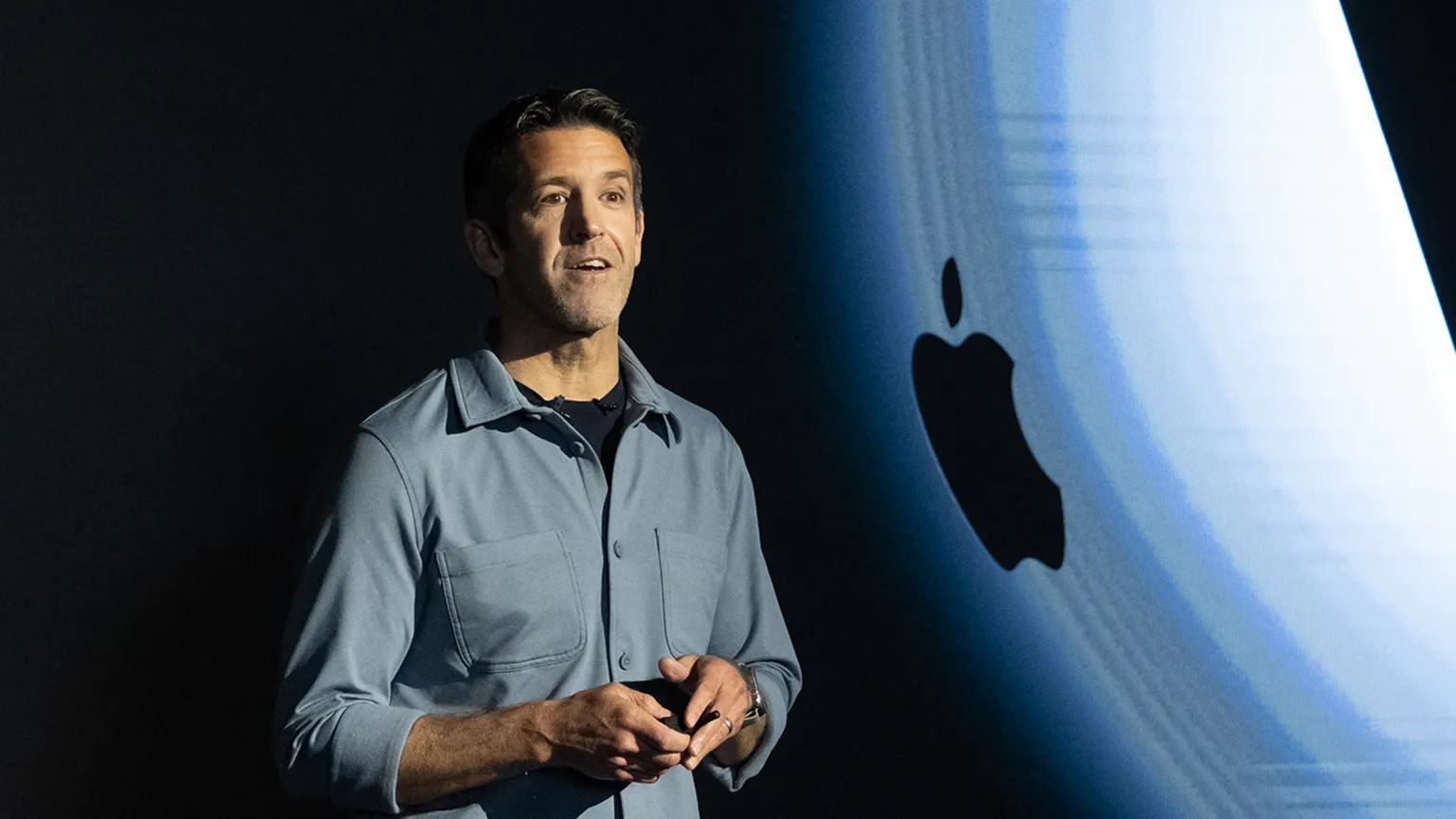
The transition at the top of Apple has been the subject of long-running speculation, with 65-year-old CEO Tim Cook reportedly preparing the company for an eventual leadership handover. Among the names discussed internally and externally, one has stood out: John Ternus, Apple’s senior vice president of hardware.
Ternus, 51, has spent more than two decades at Apple and is widely regarded as a “product guy” a hands-on engineer deeply involved in hardware development. Known for his calm and measured communication style, he represents continuity with Cook’s steady, operations-focused leadership rather than a dramatic shift in personality or direction.
A recent informal meeting with journalists in the UK reinforced that perception. When asked about succession, Ternus avoided direct comment, instead praising Cook’s leadership a response typical of Apple’s tightly controlled messaging culture. Those who have interacted with him describe him as polite and precise, but careful not to stray beyond company lines.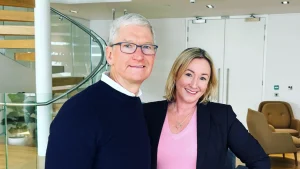
If he does take the helm, analysts believe Apple’s strategic approach is unlikely to change abruptly. The company has historically succeeded through long-term planning and deliberate execution rather than rapid pivots. From the iPhone to its ecosystem of devices, Apple has often arrived late to markets but reshaped them once it does.
However, major challenges await any future CEO particularly in artificial intelligence. While competitors such as Google and Microsoft have aggressively invested in AI development, Apple has taken a more cautious approach, integrating third-party tools like ChatGPT and Gemini rather than fully relying on in-house systems.
Industry observers suggest Ternus may continue this measured strategy. “Apple hasn’t thrown the kitchen sink at AI opportunities,” notes Susannah Streeter of Wealth Club, adding that restraint may be intentional given concerns about a possible AI market bubble.
Another emerging question is whether Apple will eventually move into AI-powered robotics, a potential next frontier where hardware and software converge. Such a shift would test Apple’s traditional focus on compact consumer devices and sleek design.
Externally, Ternus would also inherit the political balancing act managed by Cook, particularly in navigating relationships with leaders such as Donald Trump, who has alternated between criticism and praise of Apple depending on trade and manufacturing tensions.
Internally, Apple continues to face scrutiny over diversity in leadership, as neither Cook nor Ternus reflects the broader demographic shifts seen elsewhere in the tech industry.
For now, Apple has not confirmed any succession timeline. But as speculation grows, one question remains central: whether Ternus, if appointed, would preserve Apple’s famously cautious culture or steer it into a more aggressive era defined by AI, robotics, and a rapidly shifting tech landscape.
