
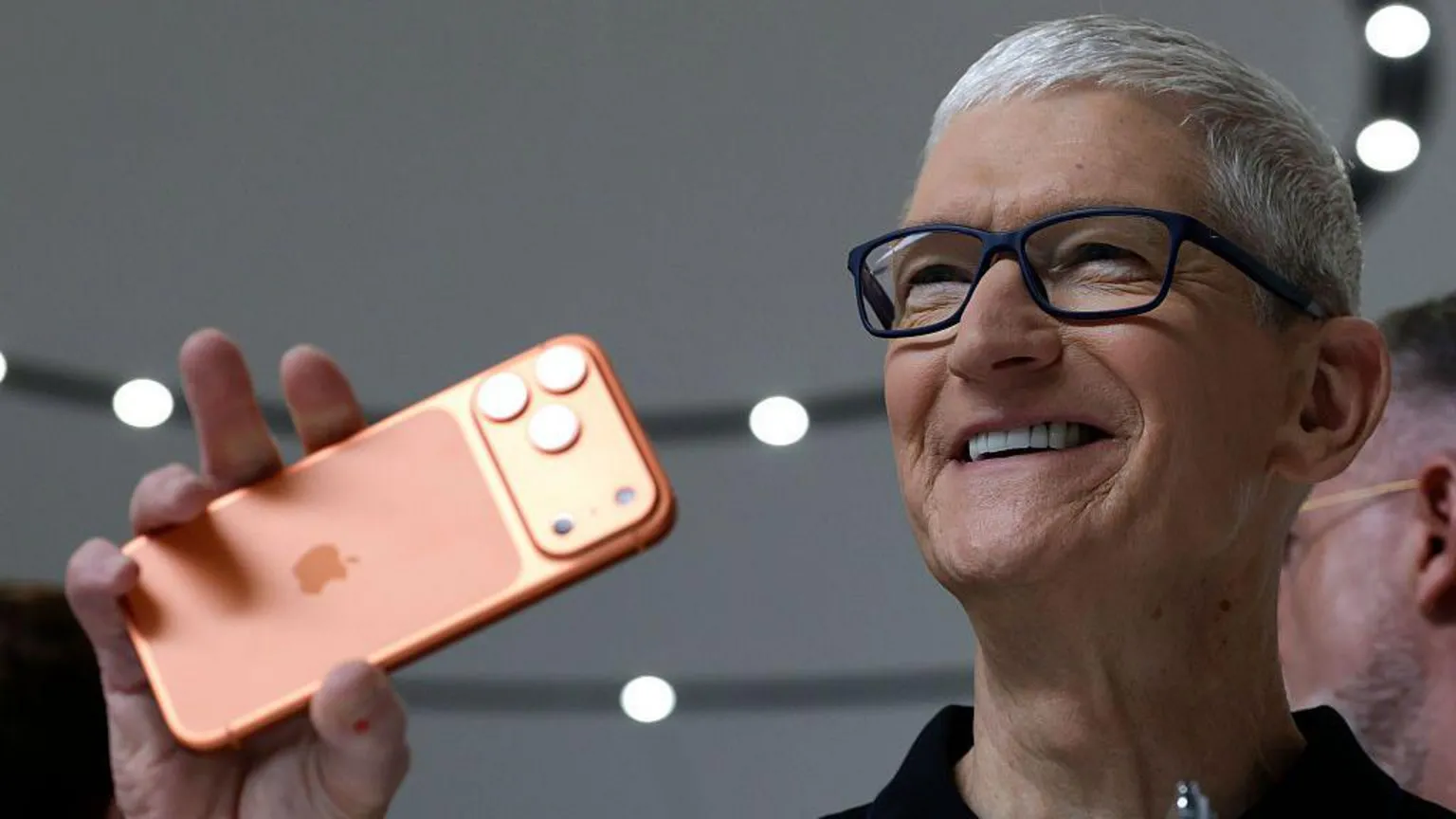
Apple plans to raise prices across parts of its product lineup as soaring memory chip costs continue to put pressure on the technology giant’s margins.
Outgoing Apple CEO Tim Cook said the company can no longer absorb the sharp increase in component costs, describing the current situation in the memory chip market as “unsustainable.”
In an interview with the Wall Street Journal, Cook said Apple had worked hard to shield customers from rising costs but acknowledged that price increases have become unavoidable.
“We’re doing our best to mitigate the huge increases that are being passed to us, and we’ve been trying to shield our customers from the increases, but the situation has become unsustainable,” Cook said.
Apple has not disclosed when the higher prices will take effect or which products will be affected. It also remains unclear whether the anticipated iPhone 18 lineup, expected later this year, will be among the products impacted.
AI Boom Driving Costs Higher
Memory chips, a critical component in smartphones, computers and other consumer electronics, have become significantly more expensive amid surging demand linked to artificial intelligence technologies.
According to industry data, RAM prices have more than doubled since October 2025 as technology firms race to expand AI capabilities and data-processing infrastructure.
Cook said reduced supply and increasing demand have created a challenging environment for manufacturers.
“There’s less supply at a time when consumers want devices and the memory guys are passing along huge price increases,” he noted.
The situation has been further complicated by disruptions in the global helium supply chain caused by the conflict in Iran. Helium is a key resource used in semiconductor manufacturing.
Industry-Wide Price Pressures
Analysts expect smartphone prices globally to rise by around 20 percent in 2026, reaching record levels as manufacturers pass rising production costs on to consumers.
Market research firm Omdia estimates that Apple’s next-generation smartphones could cost as much as $150 more than current models due to enhanced AI capabilities and more advanced hardware requirements.
The broader technology industry has already begun responding to the cost pressures. Several manufacturers have raised prices, reduced promotional offers or adjusted product specifications to protect profitability.
Earlier this year, Sony increased the prices of its PlayStation 5 consoles in key markets, while Nintendo announced plans to raise prices for its Switch 2 gaming system due to changing market conditions.
Strong Demand Continues
Despite the rising costs, demand for Apple products remains strong. The company reported a 17 percent increase in device sales during the first quarter of 2026 compared to the same period last year, driven largely by robust demand in China.
Apple has also adjusted pricing on some products already, including removing the entry-level version of its Mac Mini computer, effectively increasing its starting price by about $200.
Cook is expected to step down as CEO in September after 15 years at the helm, with current hardware chief John Ternus set to succeed him. His successor will inherit a company navigating both strong consumer demand and mounting cost pressures across the global technology supply chain.
