The Ghana Association of Radiologists has called for more investment in modern diagnostic equipment across the country.
The association says many hospitals still lack advanced imaging machines such as CT scans and MRI scanners.
According to the group, the shortage affects the early detection and treatment of diseases.
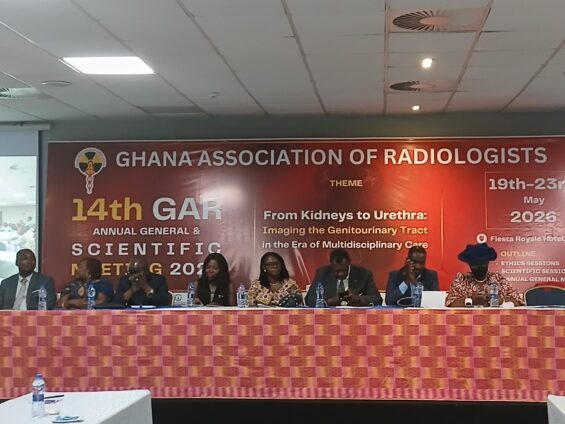
Speaking at the association’s 14th Annual General and Scientific Meeting in Accra, GAR President Francis Ofei urged government and stakeholders to improve healthcare facilities.
“We need to retool our facilities across the length and breadth of the country with imaging modalities like CT scan, MRI, and others,” he said.
The conference focused on imaging and treatment of diseases affecting the kidneys, bladder, and urinary system.
Health professionals from different specialties attended the meeting to discuss better collaboration in patient care.
Dr Ofei said healthcare delivery in Ghana often happens in isolation, with specialists working separately.
“The clinician is doing their own thing; the radiologist is also doing their own thing,” he said.
He stressed the need for a multidisciplinary approach where radiologists, clinicians, nephrologists, and urologists work together.
According to him, stronger collaboration can improve diagnosis, treatment, and patient outcomes.
Dr Ofei also raised concern about the increasing number of kidney disease cases in Ghana.
He said studies show chronic kidney disease affects between 14 and 16 per cent of adults in the country.
He linked some of the cases to illegal mining, also known as galamsey.
According to him, chemicals such as mercury and cyanide continue to pollute rivers and water bodies.
“With repeated exposure, the kidneys give up eventually,” he warned.
Dr. Charlotte Osafo, President of the Ghana Kidney Association, said kidney disease often develops without early symptoms.
She listed swelling, tiredness, vomiting, and itching as some warning signs of advanced kidney disease.
Dr Osafo advised the public to check their blood pressure and blood sugar regularly.
She also warned against the excessive use of painkillers and unapproved herbal medicines.
Chairman of the Medical and Dental Council, Agyeman Badu Akosa, urged health workers to maintain professionalism and proper record keeping.
He expressed concern about the growing number of malpractice complaints against health professionals.
“The number of people who are sending cases to the Medical and Dental Council is worrying,” he said.
He added that the Council would continue to investigate complaints thoroughly to ensure accountability in the health sector.
