
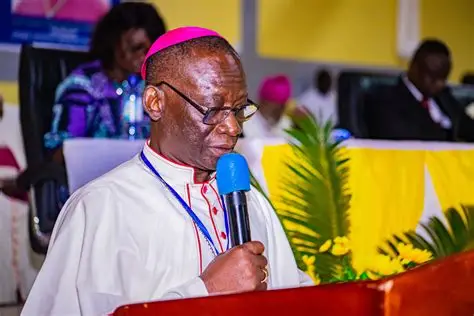
The Ghana Catholic Bishops’ Conference has called for a more respectful and constructive national conversation on LGBTQ-related issues, urging Ghanaians to approach the debate with both moral seriousness and human dignity.
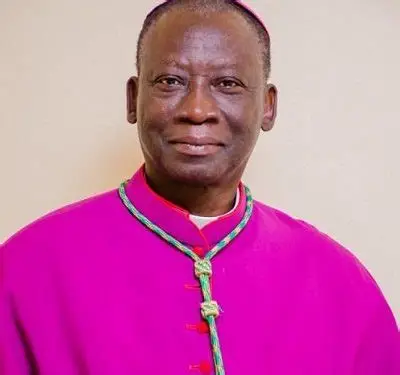
In a statement signed by its president, Matthew Kwasi Gyamfi, the bishops emphasized that discussions around LGBTQ matters should not be dismissed or trivialized, even amid pressing economic challenges. Their intervention comes in response to recent political comments suggesting that LGBTQ issues are not a priority for the country.
According to the bishops, while economic concerns remain urgent, moral and social questions, particularly those concerning identity, family, and values, are equally important to the nation’s long-term development. They warned that downplaying such issues risks weakening the ethical foundation of society.
Central to the bishops’ message is the tone of national discourse. They stressed that conversations about LGBTQ issues must be conducted with respect, cautioning that dismissive or inflammatory language could deepen divisions within society.
“The tone of our discourse matters as much as its content,” the statement noted, highlighting the need for dialogue that builds trust rather than fuels polarization.
The Conference called on key stakeholders, including government officials, Parliament, religious leaders, traditional authorities, and civil society, to engage in meaningful and respectful discussions. The goal, they say, should be to foster understanding while safeguarding Ghana’s cultural and moral values.
While reaffirming their stance on family values, the bishops also made a strong appeal for compassion and respect toward individuals, regardless of their sexual orientation. They condemned violence, hatred, and unjust discrimination, describing such actions as morally unacceptable.
This dual emphasis, defending traditional values while protecting human dignity, reflects the Church’s attempt to navigate a deeply sensitive and often polarizing issue. The bishops argued that these principles are not mutually exclusive but must coexist in a just and balanced society.
The statement also touched on Ghana’s ongoing debate surrounding the Human Sexual Rights and Family Values Bill. The bishops urged that any legislation be carefully scrutinized to ensure it reflects both the moral convictions of citizens and constitutional protections of fundamental rights.
They further encouraged leaders to honor democratic processes while remaining mindful of the broader social implications of such laws.
The bishops concluded by describing Ghana as being at a critical moment, one where economic ambition intersects with moral identity. Decisions made now, they warned, will shape the country’s future for generations.
Ultimately, their message is clear: Ghana’s LGBTQ debate should not be reduced to political rhetoric or dismissed as irrelevant. Instead, it should be approached with wisdom, empathy, and a commitment to respectful dialogue, ensuring that both national values and human dignity are upheld.
