
Close Menu

    Subscribe to Updates

    Get the latest creative news from FooBar about art, design and business.

    What's Hot

    Salifu Barikisu: Breaking Barriers on the Pitch and Beyond

    March 26, 2026

    Otto Addo’s Reforms Boost Black Stars Confidence for World Cup Build-Up

    March 26, 2026

    Questions Raised Over Feasibility of Government’s Tomato Production Plan

    March 26, 2026
    Facebook X (Twitter) Instagram
    Facebook X (Twitter) Instagram
    Yocharley
    SUBSCRIBE
    • General News
      • Local
      • Celebrities
    • Entertainment
    • Business
    • Sports
    • Technology
    • International News
    Yocharley
    Home » Questions Raised Over Feasibility of Government’s Tomato Production Plan
    Agribusiness

    Questions Raised Over Feasibility of Government’s Tomato Production Plan

    Rebecca EsonBy Rebecca EsonMarch 26, 2026No Comments3 Mins Read1 Views
    Share Facebook Twitter Pinterest LinkedIn Tumblr Email WhatsApp Copy Link
    Follow Us
    Google News Flipboard Threads
    Share
    Facebook Twitter LinkedIn Pinterest Email Copy Link

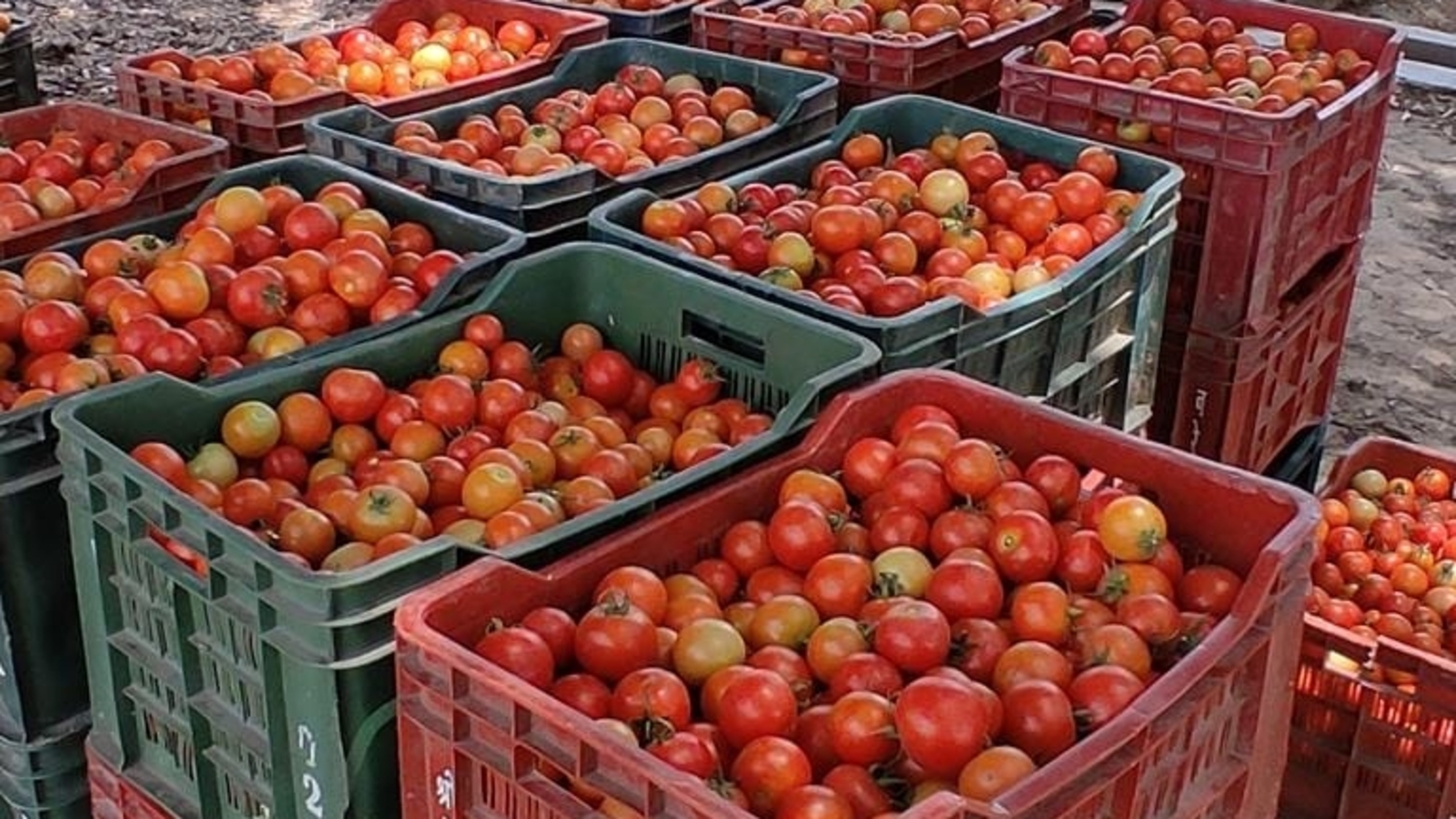
    The Chief Executive Officer of Akuafo Nketewa, Dr Charles Nyaaba, has criticised recent government assurances on tomato supply, warning that communication alone will not avert a looming shortage unless farmers are actively involved in the response.

    Speaking on Thursday, March 26, Dr. Nyaaba said producers are increasingly anxious about a potential supply gap between now and mid-May, stressing that uncertainty remains over where tomatoes will be sourced during the critical period.

    “This is not about public relations. There is real concern among Ghanaians,” he stated, emphasising that farmers require clarity and direct engagement rather than broad assurances.

    His remarks come in response to statements by the Minister for Food and Agriculture, Eric Opoku, who recently outlined plans under the Feed Ghana Programme aimed at boosting local tomato production and reducing reliance on imports.

    The initiative seeks to significantly expand tomato cultivation—from 1,000 acres last year to 40,000 hectares this year—through the provision of improved seeds, plant protection products, irrigation support via boreholes, and partnerships with technical operators to secure markets for farmers.

    However, Dr. Nyaaba argues that the success of such interventions depends on meaningful consultation with farmers, who remain central to production. He expressed concern that, despite the scale of the proposed measures, producers have yet to be directly engaged.

    “Since this issue emerged, farmers have not been involved, and that raises questions about how the plan will be implemented,” he noted, adding that claims of mobilising over 100 communities for tomato cultivation have not been independently verified by stakeholders on the ground.

    He also questioned the feasibility of the government’s assurances, particularly given Ghana’s heavy dependence on tomato imports from Burkina Faso during the lean season between December and May.

    “What concrete measures have been taken between now and May to prevent shortages, especially if access to imports becomes constrained?” he asked.

    Dr. Nyaaba further indicated that the situation has been compounded by reports of restrictions affecting Ghanaian traders—particularly women—who traditionally source tomatoes from Burkina Faso during this period.

    He drew a clear distinction between infrastructure development and actual production, cautioning that investments in market facilities alone would not resolve supply challenges without a corresponding increase in output.

    “There is a difference between building market centres and ensuring production. Without engaging farmers on how to scale up output, supply gaps will persist,” he explained.

    While acknowledging government claims of pilot successes in several communities, as well as the establishment of Farmer Service Centres and a dedicated market near the University of Ghana bypass, he maintained that the absence of direct farmer participation undermines confidence in the initiative.

    Dr. Nyaaba further criticised what he described as an overreliance on public messaging, arguing that sustained stakeholder engagement is essential to addressing the issue effectively.

    “Communication alone will not solve the problem. What is needed is a coordinated national effort that directly involves farmers and provides clear support mechanisms,” he said.

    He added that although farmers are taking steps to prepare for the next production cycle, a structured and inclusive approach is necessary to stabilise supply and prevent sharp increases in prices.

    Share. Facebook Twitter Pinterest LinkedIn Tumblr Email WhatsApp Copy Link
    Previous ArticlePolice Cannot Investigate Itself – Gyimah Demands External Inquiry
    Next Article Otto Addo’s Reforms Boost Black Stars Confidence for World Cup Build-Up
    Rebecca Eson

    Related Posts

    Crime

    Police Cannot Investigate Itself – Gyimah Demands External Inquiry

    March 26, 2026
    Featured

    Asiedu Nketia Calls for Unity as NDC Begins Post-Election Accountability Drive

    March 26, 2026
    Economy

    Urgent policies needed or Ghana may lose animation industry opportunities – AnimaxFYB CEO

    March 25, 2026
    Featured

    ECOWAS Court Admits Late State Defence in Torkornoo Case

    March 25, 2026
    Featured

    Government Targets Priority Roads Under ‘Big Push’ Infrastructure Programme

    March 25, 2026
    Communication

    Mahama to lead Ghana’s delegation to UN special session on reparatory justice

    March 24, 2026
    Add A Comment
    Leave A Reply Cancel Reply

    Top Posts
    Don't Miss

    Salifu Barikisu: Breaking Barriers on the Pitch and Beyond

    By Rebecca EsonMarch 26, 20260

    In a profession where few can boast experience at both local and international levels, Salifu…

    Otto Addo’s Reforms Boost Black Stars Confidence for World Cup Build-Up

    March 26, 2026

    Questions Raised Over Feasibility of Government’s Tomato Production Plan

    March 26, 2026

    Police Cannot Investigate Itself – Gyimah Demands External Inquiry

    March 26, 2026
    Stay In Touch
    • Facebook
    • Twitter
    • Pinterest
    • Instagram
    • YouTube
    • Vimeo

    Subscribe to Updates

    Get the latest creative news from SmartMag about art & design.

    Top Posts
    Don't Miss

    Salifu Barikisu: Breaking Barriers on the Pitch and Beyond

    By Rebecca EsonMarch 26, 20260

    In a profession where few can boast experience at both local and international levels, Salifu…

    Otto Addo’s Reforms Boost Black Stars Confidence for World Cup Build-Up

    March 26, 2026

    Questions Raised Over Feasibility of Government’s Tomato Production Plan

    March 26, 2026

    Police Cannot Investigate Itself – Gyimah Demands External Inquiry

    March 26, 2026
    Stay In Touch
    • Facebook
    • Twitter
    • Instagram
    • YouTube
    • TikTok
    About Us
    About Us

    Your source for the lifestyle news.

    Email Us: info@yocaharley.com
    Contact:

    Facebook X (Twitter) YouTube
    Our Picks

    Salifu Barikisu: Breaking Barriers on the Pitch and Beyond

    March 26, 2026

    Otto Addo’s Reforms Boost Black Stars Confidence for World Cup Build-Up

    March 26, 2026

    Questions Raised Over Feasibility of Government’s Tomato Production Plan

    March 26, 2026
    Most Popular
    © 2026 Yocharley. Designed by Adoit360.
    • General News
    • Entertainment
    • Sports
    • Politics

    Type above and press Enter to search. Press Esc to cancel.