
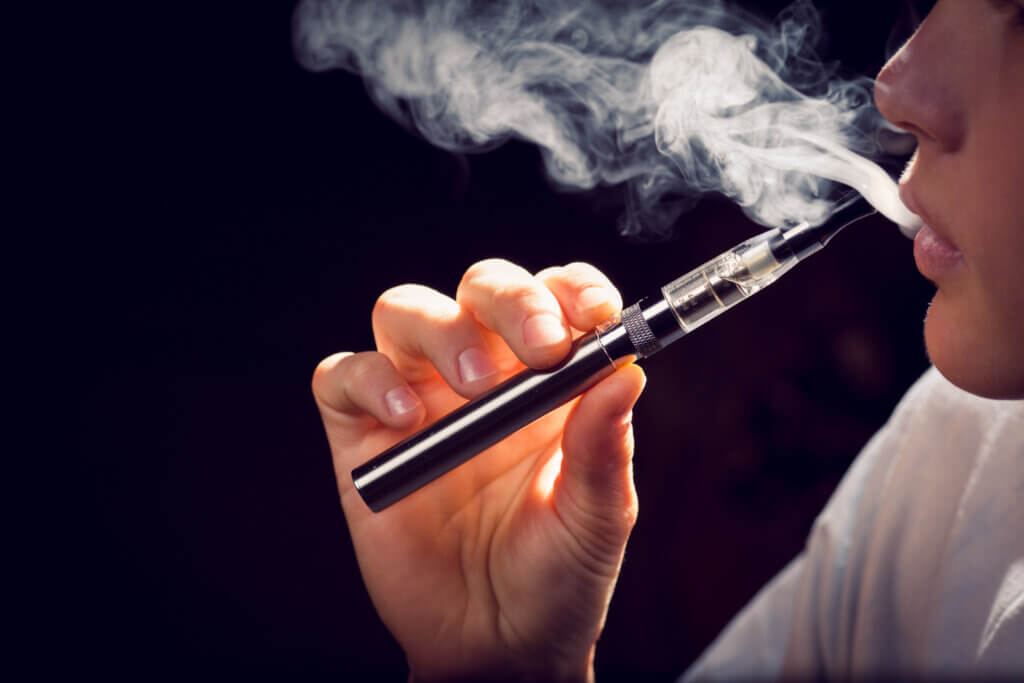
 For decades, cigarette smoking has been recognized as one of the leading causes of preventable disease and death worldwide. In recent years, vaping has surged in popularity, often marketed as a safer alternative to smoking. Sleek devices, flavored liquids, and social media influence have helped fuel the idea that vaping is mostly harmless. But beyond the hype, what does vaping actually mean for your health and how does it truly compare to smoking?
Traditional cigarettes burn tobacco, producing smoke that contains thousands of chemicals. Many of these such as tar and carbon monoxide are known to cause cancer, heart disease, and lung damage.
Vaping, on the other hand, heats a liquid (commonly called e-liquid or vape juice) to create an aerosol that users inhale. This liquid usually contains nicotine, flavorings, and other chemicals. Because there is no combustion, vaping exposes users to fewer toxic substances than smoking but “fewer” does not mean “safe.”
The Health Risks of Smoking
The dangers of smoking are well documented. Long-term smokers face a significantly increased risk of lung cancer, chronic obstructive pulmonary disease (COPD), heart disease, stroke, and many other serious conditions. Smoking damages nearly every organ in the body and is highly addictive due to nicotine.
Secondhand smoke also poses serious risks, affecting non-smokers especially children and pregnant women by increasing the likelihood of respiratory illnesses and developmental problems.
What We Know About Vaping
Vaping is still relatively new, which means scientists are continuing to study its long-term effects. What is already clear is that vaping is not harmless. Most vape products contain nicotine, which is addictive and can negatively affect brain development in adolescents and young adults. Nicotine also raises heart rate and blood pressure, increasing strain on the cardiovascular system.
In addition, some chemicals found in vape aerosols can irritate the lungs and may contribute to inflammation or lung injury. While vaping generally exposes users to fewer toxic substances than cigarettes, it still introduces foreign chemicals into the body many of which are not meant to be inhaled.
Is Vaping Safer Than Smoking?
Many health experts agree that vaping is likely less harmful than smoking for adults who already smoke and completely switch to vaping. However, this does not make vaping safe only less dangerous in comparison to an extremely harmful habit.
The biggest concern arises when non-smokers, especially teenagers, begin vaping. For them, vaping offers no health benefit and can lead to nicotine addiction, increasing the likelihood of transitioning to cigarette smoking later.
The hype around vaping often paints it as a clean, modern alternative to smoking, but the reality is more complex. Smoking remains far more deadly, but vaping still carries real risks particularly for young people and non-smokers. The safest choice for health is to avoid both entirely.
Public health efforts now focus not only on helping smokers quit but also on preventing a new generation from becoming addicted to nicotine through vaping.
When the hype is stripped away, the comparison becomes clearer: smoking is extremely dangerous, and vaping is not harmless. While vaping may reduce harm for some adult smokers trying to quit, it is not a risk-free solution and should not be treated as one. Understanding the facts rather than the marketing is essential for making informed decisions about health.
