

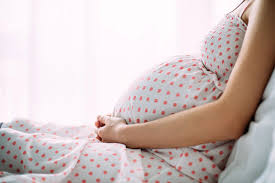
 For millions of women worldwide, the contraceptive pill is a trusted, convenient, and highly effective method of birth control. But here’s the reality: many people don’t realize you can still get pregnant while taking the pill.
Before panic sets in, it’s important to understand that the pill is very effective, just not 100% foolproof. Knowing how it works, why failures happen, and how to reduce your risk can make all the difference.
How Effective Is the Pill, Really?
When taken perfectly (same time every day, no missed doses), the pill is over 99% effective.
However, with typical use meaning missed pills, late doses, or human error, effectiveness drops to around 91%. That means about 9 out of 100 women may become pregnant each year while using the pill under real-life conditions.
The gap between perfect use and typical use is where most surprises happen.
How the Pill Prevents Pregnancy
The contraceptive pill works in three main ways:
-
Stops ovulation – Prevents the ovary from releasing an egg.
-
Thickens cervical mucus – Makes it harder for sperm to reach an egg.
-
Thins the uterine lining – Makes implantation less likely.
But if ovulation happens due to inconsistent use, pregnancy becomes possible.
Why Pregnancy Can Still Happen on the Pill
Here are the most common reasons:
1. Missing Pills or Taking Them Late
Timing matters especially with the mini-pill (progestin-only pill), which must be taken at the same time every day. Even being a few hours late can reduce protection.
2. Vomiting or Severe Diarrhea
If you vomit within a few hours of taking the pill, your body may not absorb it properly.
3. Drug Interactions
Certain medications can reduce the pill’s effectiveness, including:
-
Some antibiotics (like rifampin)
-
Anti-seizure medications
-
Certain HIV treatments
-
Herbal supplements like St. John’s Wort
Always check with a healthcare provider about drug interactions.
4. Starting the Pack Incorrectly
Beginning a new pack late or extending the hormone-free interval increases risk.
5. Body Weight (In Some Cases)
Some research suggests reduced effectiveness in women with higher body weight, though evidence varies depending on pill type.
Signs You Might Be Pregnant on the Pill
Even while on birth control, watch for:
-
Missed or unusually light withdrawal bleeding
-
Nausea
-
Breast tenderness
-
Fatigue
-
Frequent urination
If you suspect pregnancy, take a test and contact a healthcare provider.
How to Reduce Your Risk
If you want maximum protection:
- Take the pill at the same time daily
- Set alarms or reminders
- Use backup protection (like condoms) if you miss a pill
- Use backup if you’re sick with vomiting/diarrhea
- Discuss other options (IUD, implant) if you struggle with consistency
Long-acting reversible contraceptives (LARCs) like IUDs and implants are over 99% effective with little room for user error.
The Bottom Line
The pill is safe and highly effective, but it isn’t magic. Most pregnancies on the pill happen because of missed doses or improper use, not because the method “doesn’t work.”
Understanding how it works and how it can fail empowers you to make informed decisions about your body and your protection.
If you ever feel unsure, don’t ignore it. Ask questions. Take a test. Speak to a healthcare professional. Birth control works best when you understand it fully.
