
Questions continue to surround a plane crash into Beijing’s tallest skyscraper after Chinese authorities released only limited information about the incident four days later.
The crash killed the pilot, who was the only person on board, and injured 13 others. It occurred just a few kilometres from Zhongnanhai, the headquarters of China’s Communist Party.
Limited Official Information
Chinese state media has provided only a brief statement on the crash.
A 60-word report published by the state-owned Beijing Daily confirmed the basic facts but gave no explanation for how the aircraft entered one of the world’s most tightly controlled airspaces.
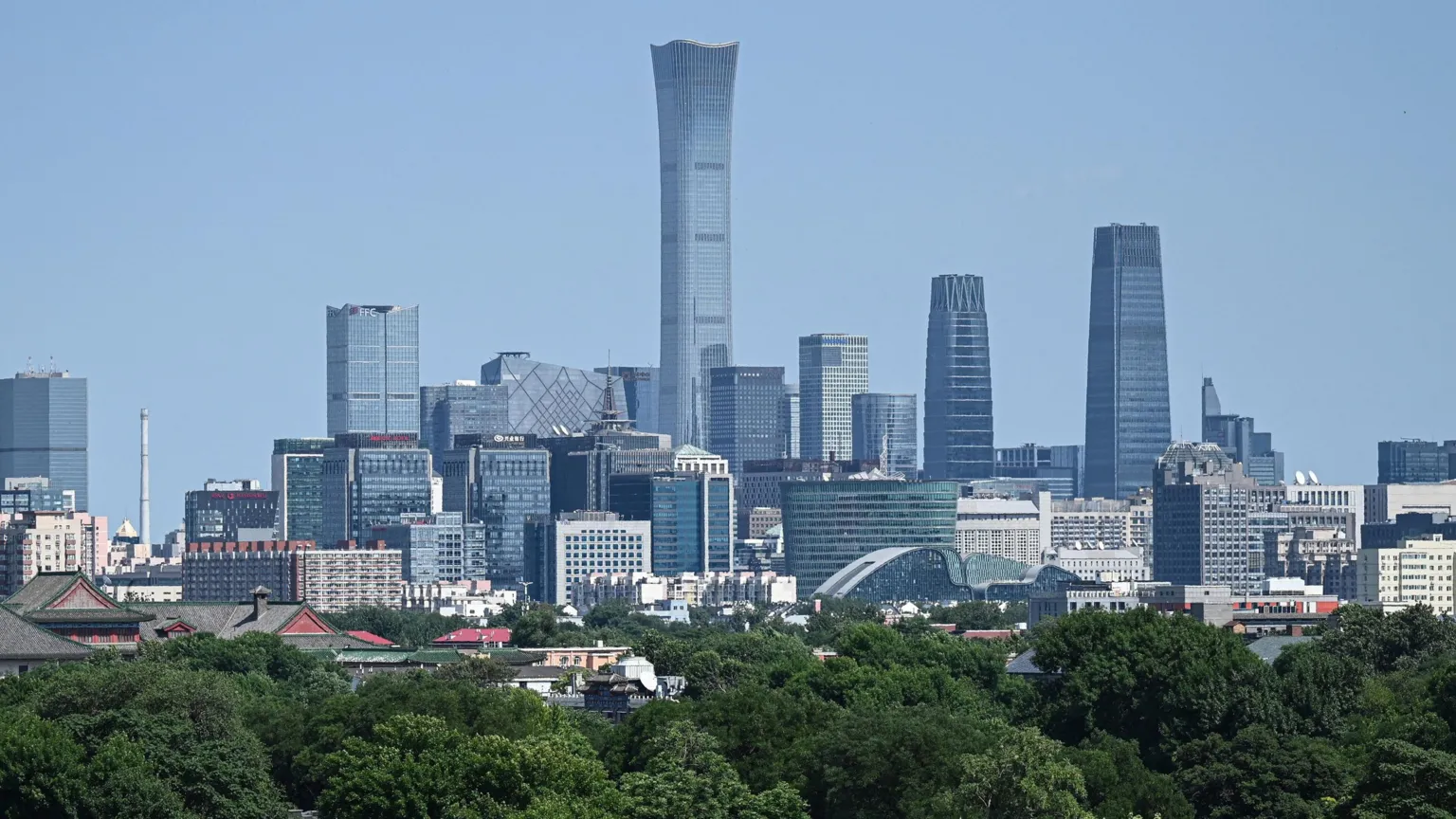
The collision left visible damage to the 109-storey CITIC Tower. The affected sections of the building have since been boarded up.
Videos showing the crash have also disappeared from Chinese social media platforms.
Light Aircraft Operations Suspended
Several aviation companies told the BBC they had been instructed to suspend light aircraft operations following the incident.
However, the companies declined to explain the reason, saying they had been directed not to discuss the matter publicly.
The lack of official information has fuelled speculation about how the aircraft managed to reach central Beijing despite strict airspace restrictions.
Security Questions Raised
Beijing maintains a permanent no-fly zone over its political centre, including Tiananmen Square and Zhongnanhai, where China’s top leaders live and work.
Analysts say the incident raises serious concerns about aviation security.
China analyst Bill Bishop described the crash as a major security breach, noting that the aircraft came dangerously close to Zhongnanhai.
Raymond Kuo, Vice-President of Research at the Chicago Council on Global Affairs, said the incident was politically embarrassing and exposed weaknesses in Beijing’s airspace security.
He said the crash may have resulted from pilot error or mechanical failure but added that investigators would also need to consider whether it was intentional.
Plane Identified
According to flight tracking service Flightradar24, the aircraft involved was a two-seat, single-engine Aurora SA60L manufactured by Chinese company Sunward Aircraft.
The aircraft is primarily used for leisure flying, aerial photography and pilot training.
Comparisons to Past Incidents
The unusual crash has drawn comparisons with historic aviation security incidents.
Some social media users outside China likened the initial reports to the first news alerts following the September 11, 2001 attacks in the United States, although the circumstances and scale of the two events are very different.
Others pointed to the 1987 incident in which German amateur pilot Mathias Rust flew into Moscow and landed near Red Square, exposing weaknesses in Soviet air defences.
Analysts say the Beijing crash could prompt changes within China’s security and aviation systems if investigations reveal significant failures.
Chinese authorities have yet to release detailed findings or explain the circumstances that led to the crash.
