
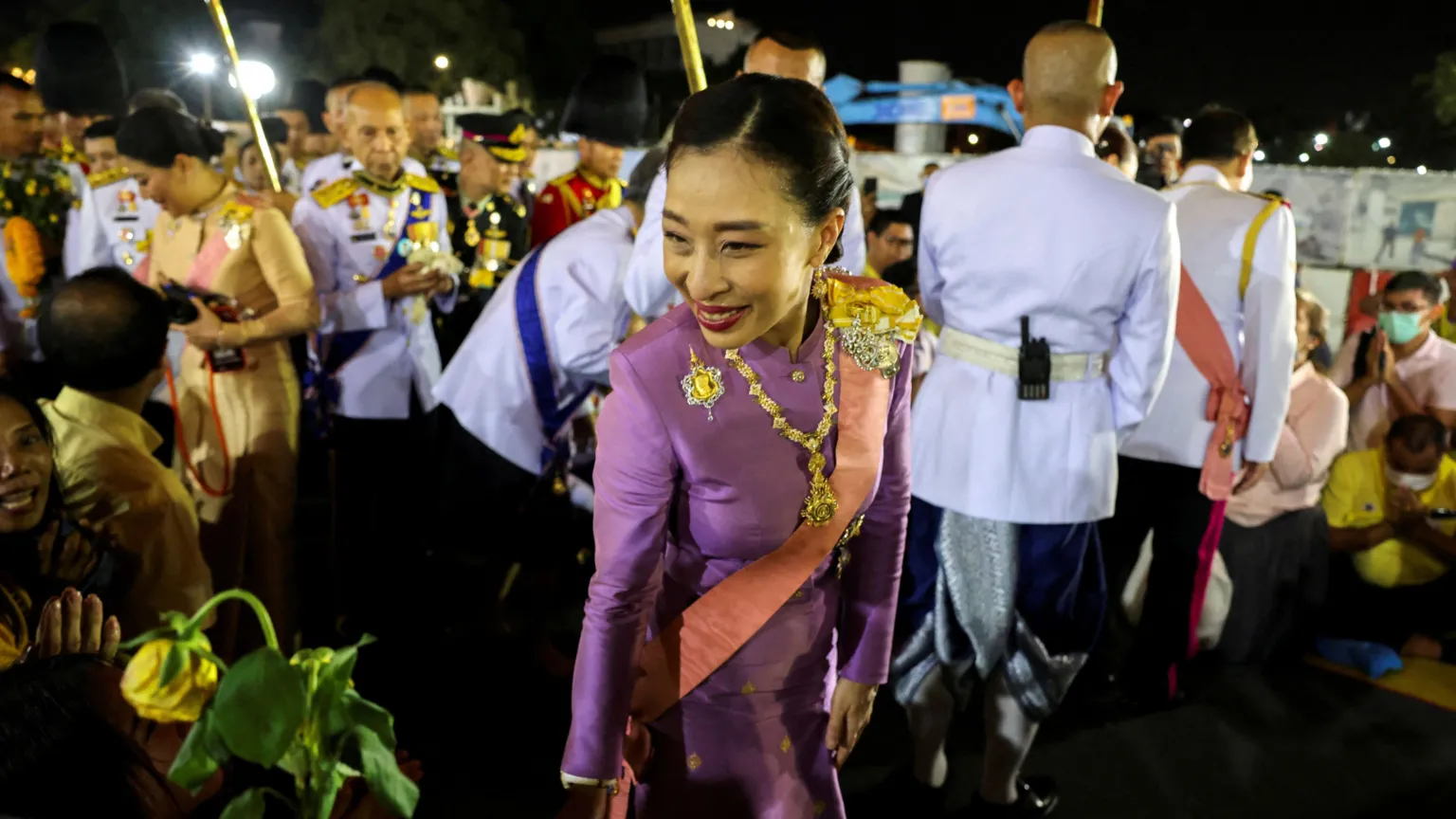
Thailand’s Princess Bajrakitiyabha, the eldest child of King Vajiralongkorn, has died at the age of 47 after spending more than three years in a coma, the royal household announced on Friday.
The princess had been receiving intensive medical care since December 2022, when she collapsed while exercising her dogs. Doctors later attributed the incident to a severe cardiac arrhythmia caused by a mycoplasma infection that affected her heart.
In a statement, the palace said the medical team had provided the highest level of care possible, but her condition continued to deteriorate. She died on Thursday evening at Chulalongkorn Hospital.
Her passing marks the loss of one of the most accomplished and respected members of Thailand’s royal family and raises fresh questions about the future succession of the monarchy.
Born on December 7, 1978, Princess Bajrakitiyabha was the daughter of King Vajiralongkorn and his first wife, Princess Soamsawali.
Known for her academic achievements and public service, she trained as a lawyer and earned two postgraduate degrees from Cornell University in the United States.
She began her professional career at Thailand’s mission to the United Nations in New York before returning home to work in the Attorney-General’s Office.
Between 2012 and 2014, she served as Thailand’s ambassador to Austria, where she developed a close working relationship with the United Nations Office on Drugs and Crime.
The princess became a leading advocate for prison reform, particularly focusing on the welfare of female inmates. She frequently highlighted the challenges faced by vulnerable women within the criminal justice system and pushed for more humane policies.
After returning to Thailand, she continued this work as the UNODC’s Ambassador for the Rule of Law in Southeast Asia. She often spoke against harsh sentencing practices, especially for minor drug-related offences.
In 2021, King Vajiralongkorn appointed her chief of staff of his private bodyguard unit and granted her the military rank of general, a move widely seen as a sign of the trust he placed in her.
Beyond her public duties, Princess Bajrakitiyabha was known for her passion for fitness and regularly participated in long-distance running events.
Her leadership qualities, professional achievements and close relationship with the king made her a frequent subject of discussion regarding Thailand’s royal succession.
Although Thai tradition generally favours a male heir, constitutional amendments introduced in 1974 allow a woman to ascend the throne.
King Vajiralongkorn, now 73, has not formally named a successor. His son, Prince Dipangkorn Rasmijoti, is widely regarded as the presumed heir. However, Princess Bajrakitiyabha was often viewed by royal observers as a potential future queen or regent due to her experience and public profile.
Her death leaves the issue of succession unresolved at a time when public discussion of the monarchy remains highly restricted under Thailand’s strict lese-majeste laws.
For many Thais, Princess Bajrakitiyabha will be remembered not only as a senior royal but also as a dedicated lawyer, diplomat and advocate for justice whose influence extended well beyond the palace walls.
