More than 500 children with suspected and confirmed measles cases have died in Bangladesh since March, according to the country’s health ministry.
Health officials say the outbreak has spread rapidly across the country, with over 60,000 suspected cases recorded in just over two months.
Many of the infections involve children under the age of five.
Al Amin, a resident of Dhaka, says his four-year-old daughter Akira died after struggling to get treatment for measles.
According to him, the family tried four times to get Akira vaccinated against the disease.
He said healthcare workers turned them away twice because she had a cold. On two other occasions, he said the vaccine was unavailable.
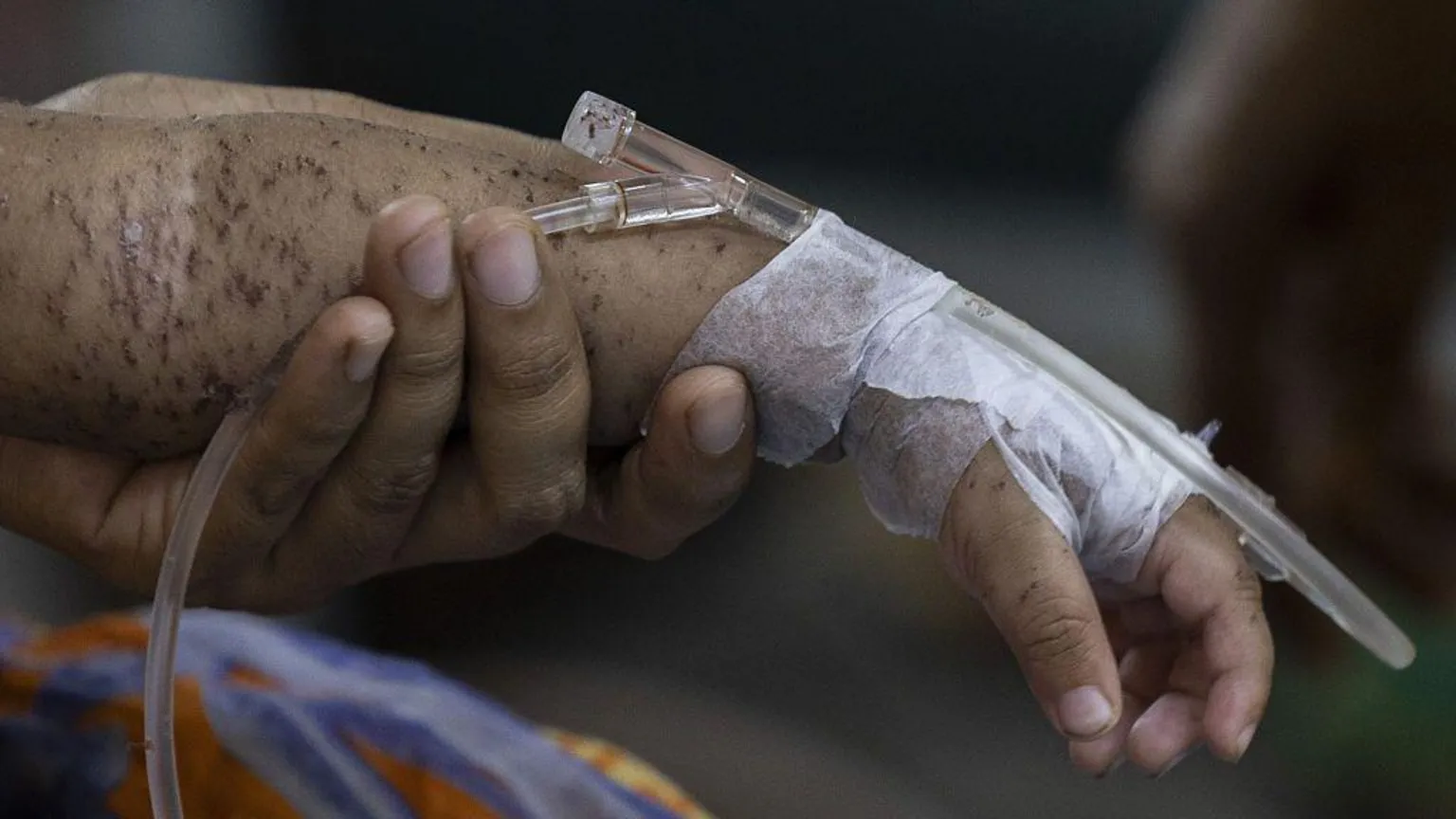
Akira later developed a fever, rash and sores in her mouth. Al Amin said she was admitted and discharged from hospital several times before doctors confirmed she had measles.
She died 27 days after her first admission.
“She was never short of love from both families. She was the crown of all,” he said.
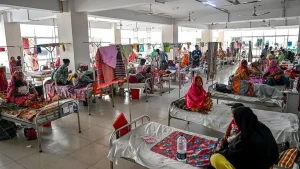
Health officials and aid agencies say hospitals across Bangladesh are struggling to handle the growing number of cases.
Many parents reportedly cannot find beds or treatment spaces for sick children.
UNICEF said hospitals visited by its teams were overwhelmed by patients.
The agency added that its staff are helping hospitals separate measles patients from others where isolation systems are lacking.
UNICEF says delays in vaccine procurement contributed to the outbreak.
The agency explained that Bangladesh’s interim government changed the vaccine purchasing process after the removal of former Prime Minister Sheikh Hasina in 2024.
According to UNICEF Bangladesh country head Rana Flowers, the organisation repeatedly warned officials about the risk of vaccine shortages.
“Saying we are worried, look at my face, I am worried you are going to face an outage,” she said during a press conference.
However, former health ministry special assistant Md Sayedur Rahman denied claims that the procurement process changed during the interim administration.
Health experts also say the country never fully recovered from vaccination disruptions caused by the COVID-19 pandemic.
Dr Mushtaq Husain, former Principal Scientific Officer at Bangladesh’s disease control institute, said health workers reduced door-to-door vaccination campaigns during the pandemic.
Some parents also avoided hospitals because they feared exposure to COVID-19.
Bangladesh launched an emergency vaccination campaign in April with support from international aid agencies.
UNICEF says infection numbers have started to slow in some heavily affected areas.
Health Minister Sardar Sakhawat Hossain said authorities expect infection rates to decline soon as more children build immunity after vaccination.
“It takes three to four weeks after the vaccination to create antibodies in the babies. We expect by next week, Inshallah, it will come down,” he said.
Experts fear the disease could spread further during the Eid holiday period as families travel across the country.
Dr Husain warned that infected children could unknowingly carry the virus between towns and villages.
Despite the concerns, the health minister insists Bangladesh can manage the outbreak without declaring a national emergency.
Meanwhile, grieving father Al Amin says he still struggles to cope with the loss of his daughter.
“Today I cried for over an hour beside her graveyard,” he said.