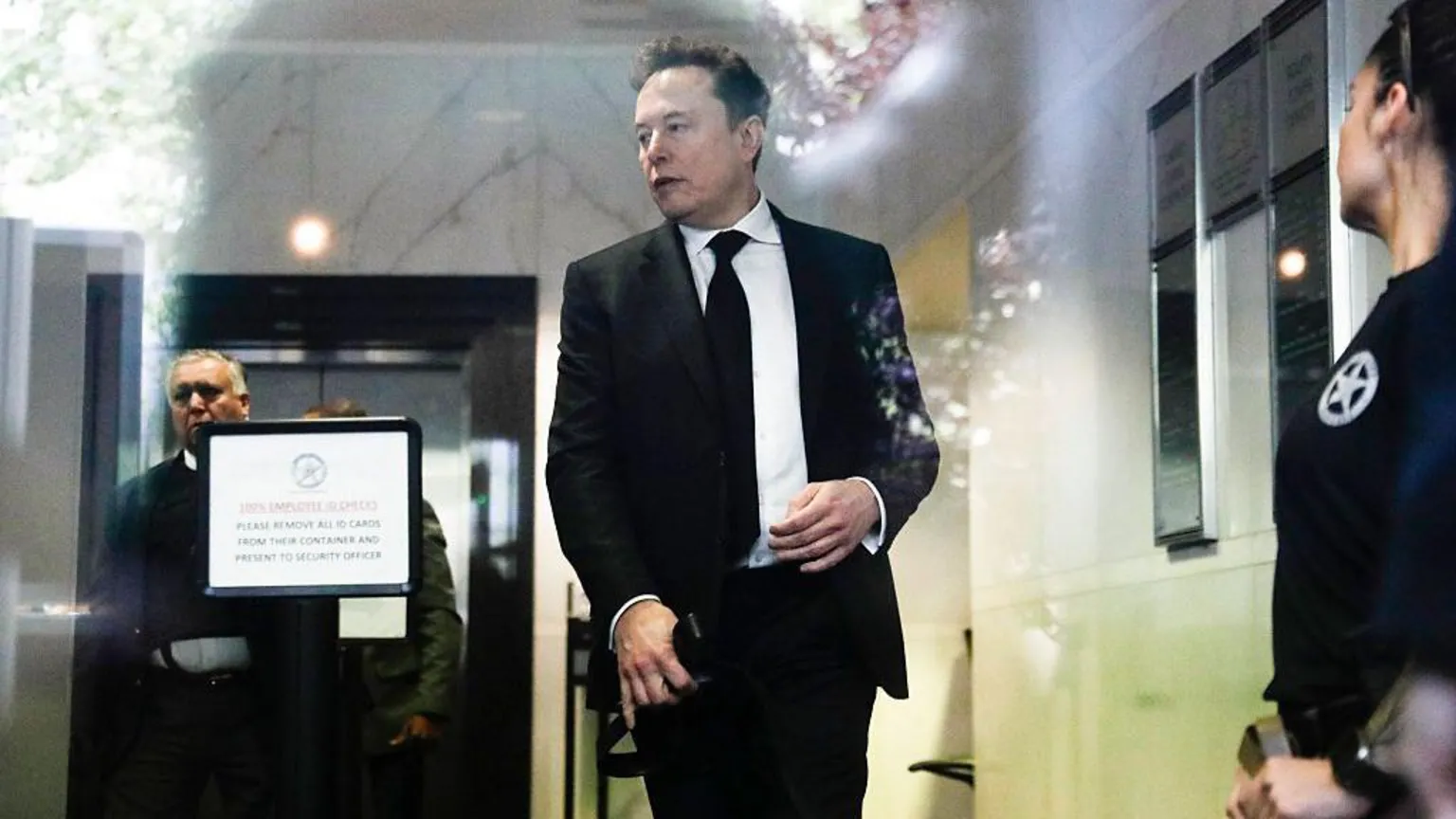
Elon Musk has suffered another major courtroom defeat after a California jury dismissed his lawsuit against OpenAI and its chief executive Sam Altman, adding to a growing list of recent legal setbacks for the billionaire entrepreneur.
The unanimous jury verdict found that Musk waited too long to file the lawsuit, meaning the statute of limitations on his claims had expired before the case reached court.
Musk had accused OpenAI and Altman of betraying the organisation’s original non-profit mission after transitioning the company into a for-profit business. He claimed Altman deceived him into donating $38 million to OpenAI in its early days before allegedly abandoning its commitment to developing artificial intelligence for the benefit of humanity.
Jurors deliberated for about two hours after a three-week trial that featured testimony from Musk, Altman and other top technology executives, including Satya Nadella. Musk had also accused Microsoft of helping OpenAI make what he described as an improper transition to a profit-driven structure.
Following the ruling, Microsoft said the timeline and facts surrounding the case had “long been clear” and reiterated its commitment to working with OpenAI.
The verdict marks the latest in a difficult stretch for Musk in court. In recent months, he agreed to settlements with former Twitter executives and thousands of ex-employees of X over compensation disputes. He also lost a separate case brought by Twitter investors who accused him of misleading them during his takeover of the platform.
Another judge earlier this year dismissed Musk’s lawsuit against advertisers that left X, while a separate ruling reversed actions taken by Doge, the government cost-cutting department Musk helped establish and lead last year.
Despite the setback, Musk has vowed to continue the legal battle. In posts on X, he criticised the ruling as a “calendar technicality” and insisted the jury never considered the substance of his claims because the filing deadline had already passed.
“This war is not over,” Musk’s lawyer Marc Toberoff said outside the courthouse, confirming plans to appeal the decision.
Legal experts, however, believe overturning the verdict may prove difficult.
Carl Tobias, a law professor at the University of Richmond School of Law, described the ruling as a highly fact-specific jury decision, making a successful appeal unlikely.
Appellate lawyer Raffi Melkonian also noted that appeals of jury verdicts are traditionally difficult to win, especially when both the jury and trial judge agree on the outcome.
During the trial, Musk argued that the case was fundamentally about protecting charitable institutions from abuse.
“It’s not OK to steal a charity,” Musk told the court. “If it’s okay to loot a charity, the entire foundation of charitable giving will be destroyed.”
Altman, however, rejected Musk’s claims and testified that Musk had once supported OpenAI becoming a for-profit entity and even sought long-term control of the company himself.
The legal clash highlighted the deepening rivalry between the two tech figures, who co-founded OpenAI in 2015 before Musk departed from the company in 2018 after disagreements over leadership and direction.
As OpenAI gained global prominence through the success of ChatGPT, Musk increasingly became one of its most vocal critics.
OpenAI spokesperson Sam Singer described the verdict as a “tremendous victory,” accusing Musk of using the lawsuit to slow down a competitor.
Observers say the courtroom battle has damaged the public image of both billionaires, with conflict resolution expert Sarah Federman comparing the feud to “Godzilla taking on King Kong.”
While Musk’s aggressive legal strategy continues to generate headlines, analysts say the latest loss shows even the world’s richest man is not immune from setbacks in court.
