
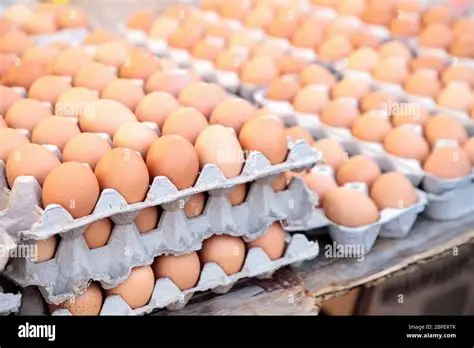
Egg suppliers in Koforidua have renewed calls for government intervention to engage authorities in Burkina Faso over an ongoing trade suspension that has halted egg exports for more than two months, resulting in a significant oversupply within Ghana’s domestic market.
The appeal follows recent concerns raised by stakeholders in the poultry value chain, particularly producers and exporters based in major production hubs such as Dormaa Ahenkro, where industry actors have highlighted the impact of border restrictions on cross-border trade in eggs.
According to industry players, the suspension is linked to health-related concerns associated with Ghana’s earlier bird flu outbreak. However, they argue that the situation has not been formally clarified through an official government policy statement, creating uncertainty in trade relations and prolonging the disruption.
The prolonged halt in exports has led to a domestic market glut, placing financial strain on farmers, wholesalers, and retailers dealing in a highly perishable commodity with limited storage capacity.
At the retail level, suppliers are already reporting pressure to reduce prices in order to prevent losses from spoilage. One trader at the Koforidua Central Market noted that the oversupply situation is forcing downward price adjustments, with egg crates currently selling between GH₵50 and GH₵55, though further reductions are expected if the surplus persists.
While producers and suppliers are grappling with mounting losses, the price decline has created short-term relief for some consumers and small-scale businesses. Bakers, in particular, have welcomed the reduced input costs, noting that cheaper eggs are improving production margins and product quality.
Households have also benefited from the price drop, with some consumers indicating that improved affordability is supporting better protein intake for families amid rising living costs.
Despite these temporary gains for buyers, stakeholders across the poultry value chain are urging urgent diplomatic engagement to resolve the trade impasse. They warn that continued restrictions could worsen financial losses, destabilise the local poultry industry, and lead to large-scale wastage of unsold eggs if the surplus is not addressed.
