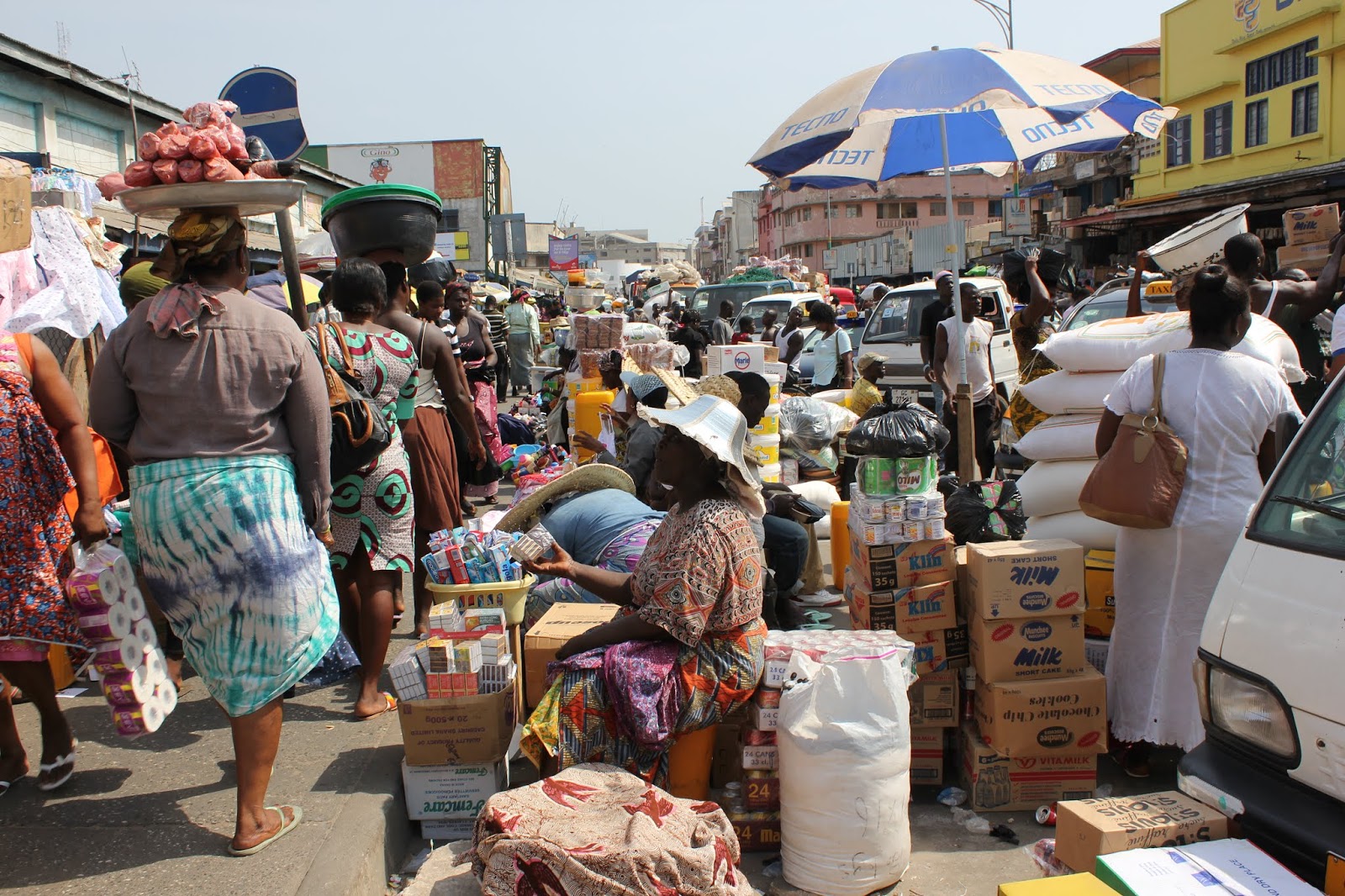
Ghana’s inflation rate continued its downward trend in March 2026, falling slightly to 3.2% from 3.3% in February, according to the Ghana Statistical Service.
Compared to March 2025, when inflation stood at 22.4%, this represents a remarkable 19.2 percentage point year-on-year decline. This sustained disinflation, now in its 15th consecutive month since January 2025, reflects growing macroeconomic stability in the country and the lowest inflation level recorded since the 2021 rebasing exercise.
While the overall annual inflation shows significant improvement, monthly price movements indicate a more nuanced picture. Between February and March, prices rose modestly by 0.1%, suggesting only a slight increase in the general price level. Food inflation continued to ease, falling to 2.3% from 2.4%, with a 0.3% month-on-month decrease, providing some relief to households. Non-food inflation dipped slightly to 3.9%, though non-food prices increased by 0.3% month-on-month, highlighting some upward pressure in other sectors.
The slowdown in goods inflation contributed substantially to the overall decline in consumer prices. Inflation for goods fell to 1.7% from 3.2%, with goods prices dropping 1.0% month-on-month. Given that goods represent a large portion of the Consumer Price Index basket, this reduction played a key role in easing pressure on consumers. Conversely, services inflation rose sharply to 7.2% from 3.7%, with a 0.4% month-on-month increase, underscoring growing cost pressures in the services sector.
Examining the sources of inflation further, locally produced goods saw an increase to 4.9% from 4.5%, reflecting rising domestic cost pressures. Imported goods, however, experienced a significant decline to -0.6% from 0.6%, suggesting easing external price pressures or favorable exchange rate effects.
Regional variations also remain pronounced. The North East Region recorded the highest inflation rate, while the Savannah Region experienced deflation at -4.6%, reflecting differences in supply conditions, transportation costs, and market access.
Overall, the continued decline in inflation is expected to boost consumer confidence and improve purchasing power. However, rising services costs and regional disparities indicate that some underlying structural challenges remain. Policymakers will need to carefully balance maintaining price stability with addressing sector-specific and regional pressures to ensure sustainable economic progress in the months ahead.
