
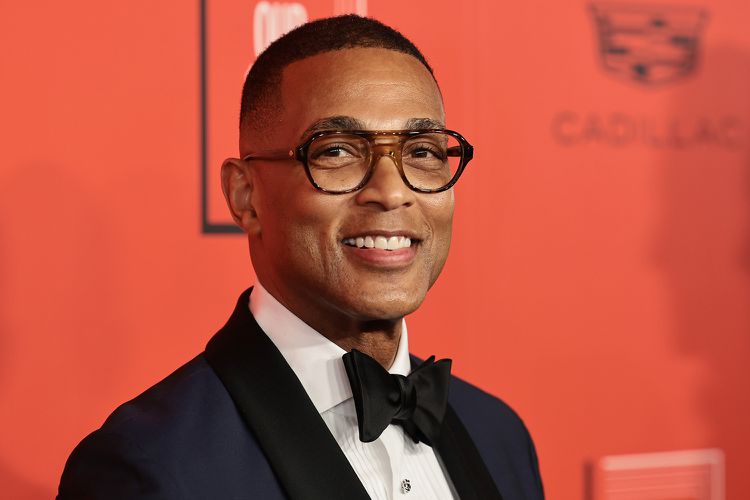
Former CNN Anchor Faces Legal and Political Backlash Over Protest Coverage
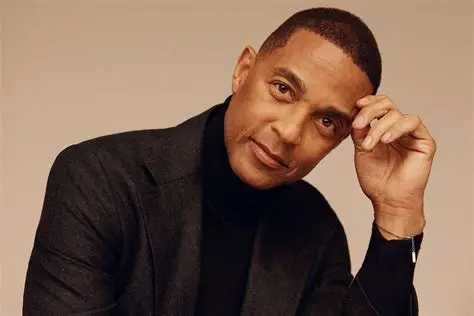
Don Lemon, the veteran journalist once best known as a prominent anchor on CNN, has returned to the center of public attention in early 2026, this time as an independent media figure wrapped in political and legal controversy. Previously fired from CNN after a long career, Lemon is now drawing headlines for his coverage of a protest that erupted inside a Minnesota church and the heated public reactions that followed.
From CNN Anchor to Independent Voice
Lemon spent 17 years at CNN, becoming one of the network’s most recognizable figures before his sudden departure in 2023, a move he described as “stunning” in public comments. Since leaving mainstream TV, he’s pursued independent journalism and digital media projects, building a presence on platforms like YouTube, TikTok, and other social channels.
His journey reflects a broader shift in media — seasoned on-air talent transitioning from broadcast networks to direct audience engagement online.
The Minnesota Protest and Legal Scrutiny
In January 2026, Lemon found himself at the center of a national controversy after covering a protest that disrupted a church service in St. Paul, Minnesota. Lemon livestreamed footage from the scene, arguing he was documenting events as a journalist.
However, the Department of Justice’s civil rights division publicly warned him that his involvement could trigger legal consequences, putting him “on notice” over protections for religious worship spaces and federal laws such as the FACE Act.
The situation escalated further when former President Donald Trump reposted a message calling for Lemon’s imprisonment over his coverage — a claim that misleadingly inflated the potential sentence and drew pushback from press freedom advocates.
Public and Celebrity Backlash
The controversy crossed into pop culture when rapper Nicki Minaj publicly attacked Lemon on social media, using a homophobic slur in criticizing his reporting. Lemon responded directly, calling out her remarks and defending his journalistic judgment.
These personal jabs — and the polarized reactions they’ve sparked — illustrate how Lemon’s role in the protest coverage has touched political, legal, and cultural fault lines all at once.
A Journalist Navigating Freedom of the Press
Throughout the controversy, Lemon has framed his presence at the protest as part of his commitment to First Amendment–protected journalism. Despite criticism from federal officials and some segments of the public, he insists his aim was to document a breaking news event, not to participate in or condone the disruption.
His case has reignited broader discussions about press freedom, the responsibilities of independent journalists, and the legal boundaries of real-time documentary reporting in charged environments.
