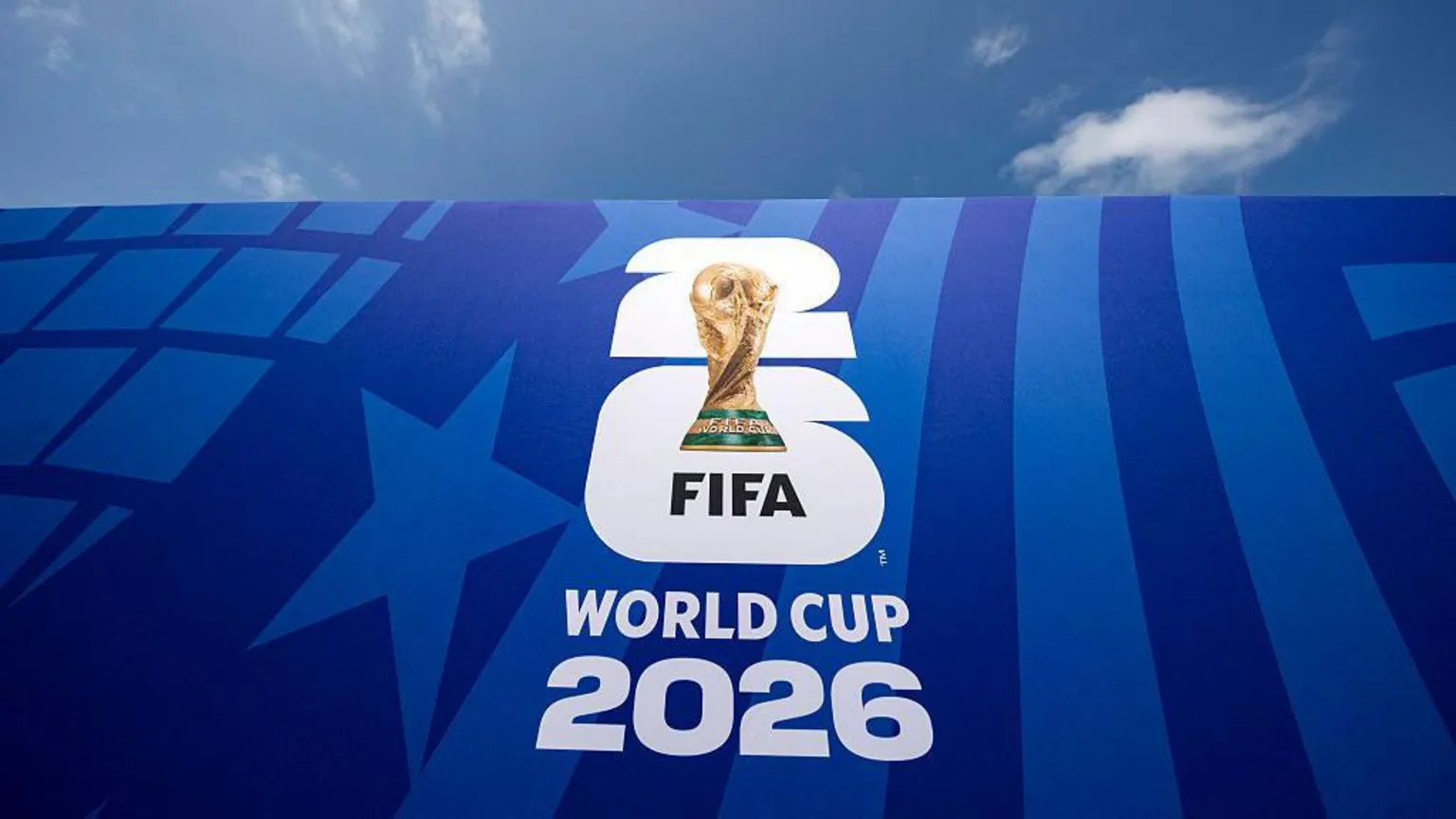
The 2026 FIFA Men’s World Cup is expected to become the biggest betting event in history, with more than $50 billion projected to be wagered worldwide.
The tournament begins today across the United States, Canada and Mexico. Financial services firm Macquarie predicts that bettors will stake about $500 million on every match.
If the forecast proves accurate, total wagers will far exceed the estimated $35 billion placed during the 2022 World Cup in Qatar.
A larger tournament format is driving much of the expected growth.
FIFA has expanded the competition from 32 teams to 48 teams. As a result, fans will watch more than 100 matches over six weeks. The 2022 edition featured only 64 matches.
Macquarie analyst Chad Benyon said the extra games will create more betting opportunities. He also pointed to favourable viewing times for audiences in Europe, Latin America and Africa.
These time zones are expected to boost global viewership and increase betting activity throughout the tournament.
The rapid expansion of sports betting in the United States is another key factor.
Around 65% of Americans can now legally place sports bets. In 2022, that figure stood at about 40%.
This year’s tournament marks the first World Cup in which most Americans can legally bet on matches.
Benyon believes betting companies could enjoy strong revenues during the competition. However, he said operators will need to turn occasional World Cup bettors into regular customers if they want long-term growth.
He added that companies offering casino games alongside sports betting could benefit the most.
Gambling awareness groups have warned about the risks linked to increased betting activity.
Les Bernal, National Director of Stop Predatory Gambling, said many people could face serious financial problems because of World Cup betting.
He argued that young men are particularly vulnerable to gambling-related harm. Bernal also called on governments to introduce stronger measures to protect consumers.
UK gambling reform campaigner Matt Zarb-Cousin voiced similar concerns. He warned that sports bettors could receive promotions for online casino games, which many experts consider more addictive.
A report by the National Centre for Social Research found that 79% of gambling company profits in the UK come from the top 10% of spenders. These customers wager at least £5,639 annually.
The betting industry also faces growing regulatory scrutiny in the United States.
The Commodity Futures Trading Commission (CFTC) recently proposed stricter rules for online prediction markets. The proposal targets contracts linked to terrorism, assassination, war, gaming and other unlawful activities.
Prediction markets have attracted criticism because they allow users to speculate on major world events and conflicts.
Following public backlash, prediction market operator Kalshi removed several controversial markets. Rival Polymarket still offers some of these markets but does not charge fees on them.
As the first matches kick off today, the 2026 FIFA World Cup looks set to break records beyond football.
With more than $50 billion expected in wagers, the tournament could reshape the global sports betting industry while reigniting debate about gambling regulation and consumer protection.
