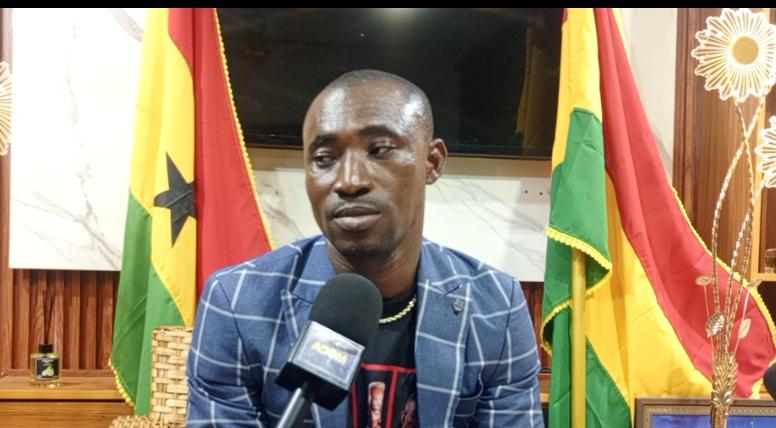
Ghanaian entrepreneur and farmer Rev. Tweneboah Kodua has officially announced his intention to contest the 2028 presidential election as an independent candidate, citing dissatisfaction with the performance of the country’s dominant political parties.
Addressing a press conference in Kumasi, Rev. Kodua said his decision stems from concerns over Ghana’s direction under successive governments and the persistent socio-economic challenges confronting citizens.
According to him, the major political parties have had sufficient opportunities to address the nation’s challenges, yet many issues affecting Ghanaians remain unresolved.
“I will run as an independent candidate. The political parties have had their chance to lead this country, but Ghanaians are still struggling with issues that should have been solved long ago,” he stated.
Rev. Kodua argued that despite gaining independence decades ago, Ghana has not yet achieved genuine economic self-reliance. He pledged to champion policies aimed at reducing the country’s dependence on foreign nations while empowering citizens to make greater use of local resources for national development.
He also questioned certain provisions within the 1992 Constitution, suggesting that aspects of the framework no longer serve their intended purpose and may disproportionately favour particular interests. He indicated that constitutional reforms would form a central component of his administration if elected.
Outlining his policy priorities, Rev. Kodua identified agricultural modernisation, youth employment and reducing dependence on imported goods as key areas of focus.
Drawing on his experience as a farmer, he revealed that he has cultivated 120 acres of maize and plans to donate the harvest to support the government’s school feeding programme.
“My background as a farmer and entrepreneur gives me a practical understanding of where the problems are and how to fix them,” he said.
Among his key proposals, Rev. Kodua pledged to eliminate electricity bills for households, arguing that Ghana possesses sufficient resources to sustain such an initiative.
He also proposed the establishment of mining centres across all regions as a strategy to create employment opportunities for young people while promoting responsible and regulated mining practices.
On education, he criticised the existing system as overly theoretical and insufficiently aligned with the country’s economic and labour market needs.
He announced plans to introduce a “Ghana School” model centred on technical and vocational training, with the aim of equipping students with practical skills and reducing reliance on public sector employment.
The 2028 presidential election will be Ghana’s next scheduled national contest following the 2024 polls. Although independent candidates have historically faced challenges competing against the country’s dominant political parties, increasing public discussions around alternative political movements continue to influence the national political landscape.
Rev. Kodua said he intends to begin nationwide consultations in the coming months as part of efforts to build support ahead of the official campaign period.
