
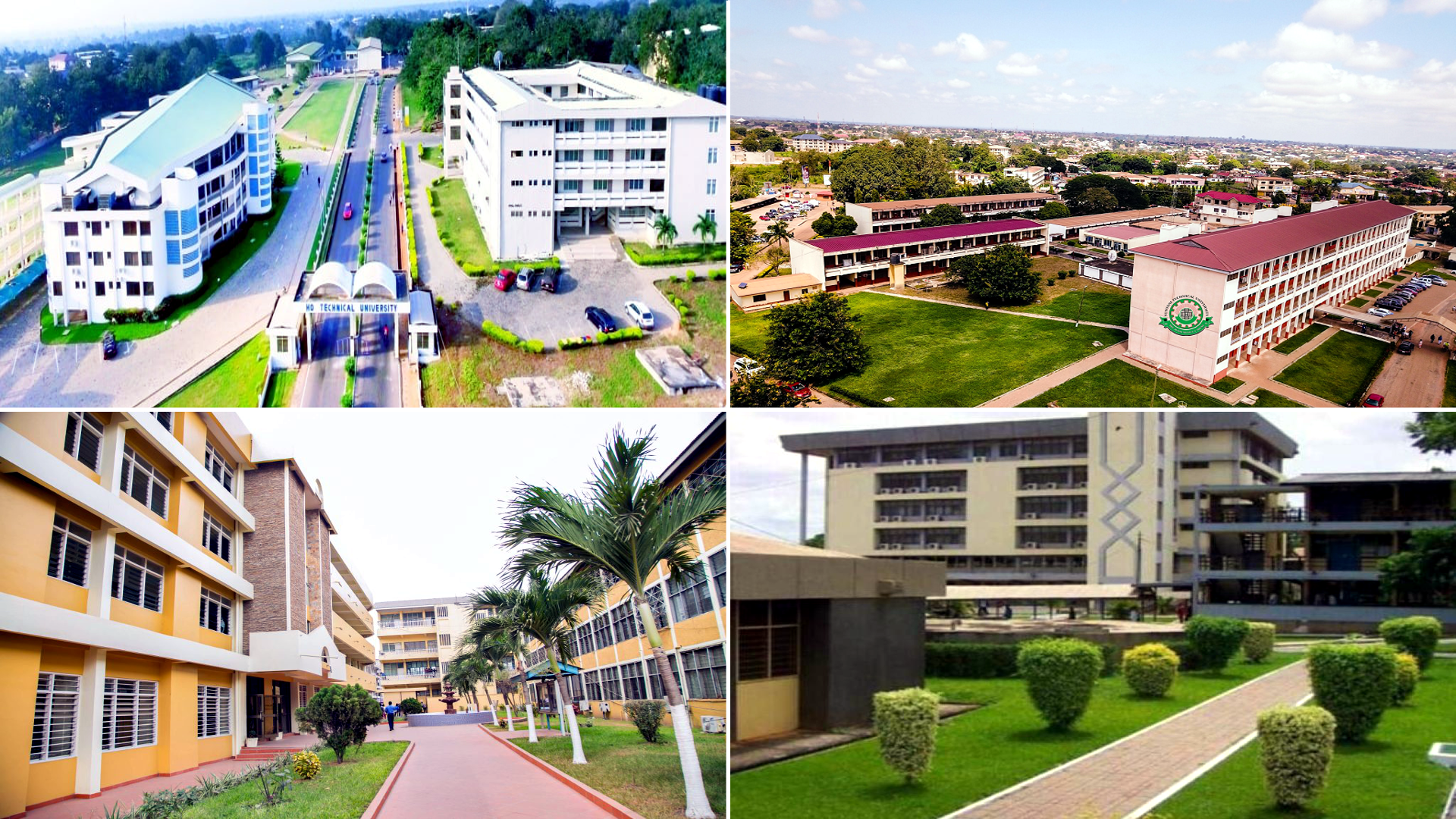
In 2026, one of the biggest questions facing young people in Ghana is whether university education is still worth the time, money, and effort. With rising tuition costs, increasing unemployment, and the growth of alternative career paths like entrepreneurship and digital work, many are beginning to question the true value of a degree. Is university still a reliable path to success, or is it becoming outdated?
Recent data suggests that a university degree still plays a major role in employment opportunities. A 2026 job market report found that over 55% of jobs in Ghana now require at least a bachelor’s degree, making it a basic entry requirement for many professional roles.
This means that without a degree, job seekers are competing in a much smaller and more limited market. Employers increasingly view a university education as proof of skills, discipline, and long-term potential.
However, this does not automatically guarantee employment. Many graduates still struggle to find jobs, highlighting a deeper issue within the system.
Despite the importance of degrees, unemployment among graduates remains a serious concern. Every year, thousands of students graduate from institutions such as University of Professional Studies, Accra and Ashesi University, but the job market cannot absorb all of them.
The problem is not always a lack of education, but a mismatch between what universities teach and what employers actually need. Many graduates leave school with theoretical knowledge but lack practical, job-ready skills. This gap makes it harder for them to transition into the workforce.
University education in Ghana is not cheap. Tuition fees, accommodation, transportation, and daily expenses can place a heavy burden on students and their families. For many, this investment is made with the expectation of a well-paying job after graduation.
The reality, however, is mixed. While degree holders generally earn more than non-degree holders—with reports showing significantly higher salaries for graduates —the return on investment depends heavily on the course studied and the demand for that field. Some graduates secure high-paying jobs, while others struggle for years without stable income.
One of the biggest changes in 2026 is the rise of alternative career options. Today, many young Ghanaians are making money through digital skills, freelancing, content creation, and entrepreneurship without ever attending university.
Fields like tech, digital marketing, and online business are opening doors that were previously unavailable. In some cases, individuals with practical skills and experience are earning more than university graduates. This shift has challenged the traditional belief that a degree is the only path to success.
Not all degrees carry the same value. Courses in fields like health sciences, engineering, and information technology remain highly relevant due to strong demand in Ghana’s economy. On the other hand, some programs produce more graduates than the job market can absorb, leading to higher unemployment rates in those fields.
This means that the question is no longer just “Is university worth it?” but rather “What are you studying, and is it in demand?”
Employers today are looking beyond just certificates. While a degree may open the door, skills determine whether you get hired and succeed. Communication, problem-solving, and digital skills are increasingly important in the modern workplace.
Graduates who combine their education with practical skills, internships, and real-world experience have a much better chance of securing employment than those who rely solely on their academic qualifications.
The answer is not a simple yes or no. University is still worth it—but not in the same way it used to be. A degree is no longer a guaranteed ticket to success; it is now just one part of a larger equation.
For some careers, especially in medicine, law, engineering, and academia, university remains essential. For others, alternative paths may offer faster and more flexible opportunities.
In 2026, success in Ghana is no longer defined by having a degree alone. It is about combining education with skills, adaptability, and real-world experience. University can still be a powerful tool, but only when approached strategically.
For young people, the key is to make informed decisions—choose the right course, develop practical skills, and stay open to new opportunities. In today’s world, it is not just about going to university; it is about knowing how to make it work for you.
