
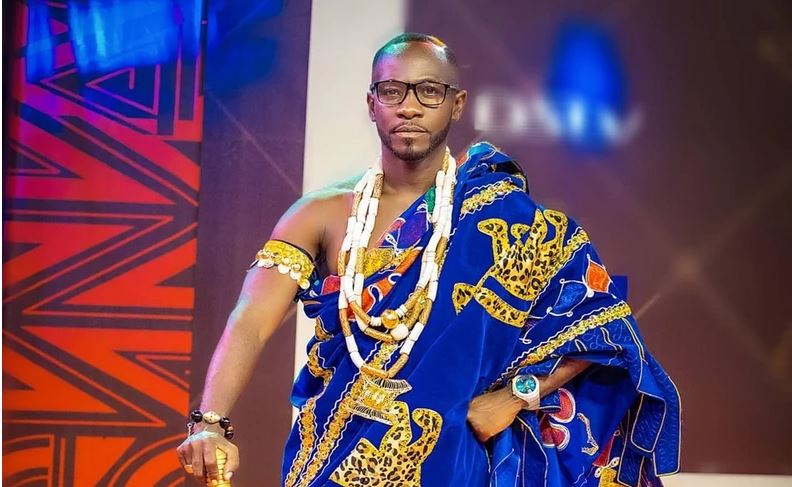
Ghanaian rapper and entrepreneur Okyeame Kwame has sparked widespread conversation after revealing that he has remained faithful to his wife throughout their 21-year relationship.
The award-winning artist, known for both his music and advocacy work, made the statement during a recent interview, emphasizing his commitment to discipline, honesty, and intentional living in marriage.
At a time when stories of infidelity often dominate headlines and social media discussions, Okyeame Kwame’s claim stands in stark contrast.
In Ghana and beyond, long-term fidelity is often viewed with skepticism, especially in the entertainment industry. His statement challenges that perception, offering a different narrative, one rooted in self-control and strong values.
Okyeame Kwame has been married to Anica Nsiah-Apau, a businesswoman and advocate for healthy living, for over a decade, though their relationship spans more than 20 years.
The couple is often seen as one of Ghana’s most admired celebrity unions, frequently sharing insights into their relationship, parenting, and personal growth journey. Their openness has made them role models for many young couples.
Speaking on how he has maintained fidelity, Okyeame Kwame stressed that it is not about being perfect but about making conscious choices daily.
He has previously discussed the importance of:
- Avoiding compromising situations
- Maintaining open communication with his spouse
- Practicing self-discipline
According to him, loyalty is a decision rather than a feeling, and sustaining it requires intentional effort over time.
His comments have generated mixed reactions across social media platforms.
While many Ghanaians praised him for promoting positive family values, others questioned whether such a claim is realistic, especially given the pressures of fame and long-term relationships.
Some critics argue that public declarations of fidelity can be difficult to verify, while supporters believe his consistent messaging over the years adds credibility to his claim.
Beyond the individual statement, Okyeame Kwame’s remarks have reignited broader discussions about the possibility of lifelong fidelity, expectations in modern marriages and the role of discipline versus temptation.
Relationship experts often note that while lifelong faithfulness is achievable, it requires mutual effort, trust, and strong personal values.
Whether seen as an ideal example or an exception to the rule, Okyeame Kwame continues to position himself as an advocate for stable family life.
His message resonates particularly in Ghanaian society, where marriage remains a highly valued institution, yet faces increasing pressure from changing social dynamics.
Okyeame Kwame’s assertion that he has not cheated in 21 years is more than a personal claim, it is a statement that challenges prevailing narratives about relationships.
As conversations around love, commitment, and fidelity continue to evolve, his perspective adds an important voice to the ongoing debate about what it truly takes to build and sustain a lasting marriage.
