

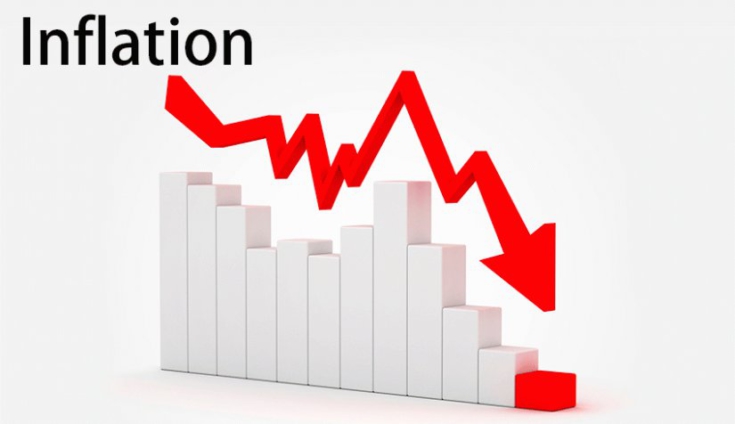
In February 2026, Ghana’s year-on-year (YoY) producer price inflation (PPI) for all goods and services was 1.4%, indicating that the average ex-factory price of products rose by the same percentage compared to February 2025. This represents a 0.2 percentage point drop from January 2026.
By sector, Mining and Quarrying—the largest component of the PPI at 43.7% weight—saw inflation rise from 3.7% in January to 4.1% in February, a 0.4-point increase. Conversely, the Manufacturing sector, which accounts for 35% of the PPI, recorded a further decline, falling from -2.3% in January to -2.9% in February. The Transport and Storage sub-sector also continued its downward trend, with producer inflation dropping from -6.9% to -8.6%.
The Ghana Statistical Service (GSS) advised consumers to prioritize goods and services with stable prices to protect real incomes. For businesses, it recommended negotiating medium-term contracts for manufactured inputs, given the continued negative manufacturing inflation, and exercising caution with short-term pricing to avoid reducing demand. The GSS also emphasized that the government should monitor short-term price trends closely to prevent inflation from accelerating.
