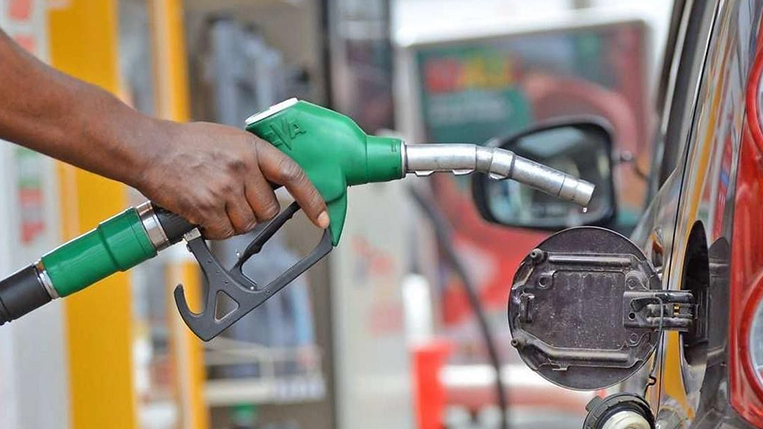
Ghanaian consumers are set to receive some relief at the pumps in May 2026, as fuel prices are projected to decline slightly in the first pricing window of the month. The expected reduction follows a combination of government intervention and marginal shifts in global oil market conditions.
According to pricing indicators from the National Petroleum Authority, both petrol and diesel will see modest reductions beginning May 1, 2026.
Petrol prices are expected to fall slightly from about GH¢13.27 per litre to around GH¢13.25, just a 2 pesewa drop. Diesel, however, is projected to see a more noticeable reduction, falling to approximately GH¢14.30 per litre from about GH¢16.10.
This marks a continuation of a downward trend that began in mid-April, when Oil Marketing Companies adjusted pump prices in response to revised benchmarks.
A key factor behind the price reduction is the government’s temporary fuel relief programme. Introduced in April, the policy involves absorbing part of the cost of fuel to cushion consumers.
Under this intervention, the government is covering about GH¢2.00 per litre of diesel and 36 pesewas per litre of petrol.
This measure has helped stabilise pump prices and reduce the immediate burden on households, businesses, and transport operators.
While petrol and diesel prices are declining, not all fuel products are following the same trend. Liquefied Petroleum Gas (LPG) is expected to increase significantly in May, rising from around GH¢10.79 per kilogram to approximately GH¢13.02.
This mixed pricing outlook reflects ongoing volatility in global energy markets, particularly due to geopolitical tensions affecting oil supply chains.
The recent fuel price reductions have already had a ripple effect. Transport operators, who had planned fare increases earlier in April, have suspended those plans following the government’s intervention.
For many Ghanaians, even a small drop in fuel prices can ease pressure on the cost of living, as transport fares and goods prices are closely tied to fuel costs.
The government’s fuel relief programme is expected to last for about one month, with a review scheduled around mid-May.
This means the current reductions may be temporary. Future pricing will depend on several factors, including:
- Global crude oil prices
- Exchange rate movements
- Government fiscal capacity to continue subsidies
Fuel prices in Ghana remain highly sensitive to global developments. Recent spikes earlier in April were linked to geopolitical tensions in the Middle East, which disrupted oil supply and pushed prices upward across Africa.
The modest reductions expected in May therefore offer only short-term relief, rather than a complete reversal of the broader upward trend.
The expected fuel price reduction in May 2026 brings cautious optimism for Ghanaian consumers. While petrol and diesel prices are dipping slightly, the sustainability of these reductions remains uncertain.
For now, the combination of government intervention and easing price pressures provides some breathing room, but the long-term outlook will depend on both domestic policy decisions and global energy dynamics.
