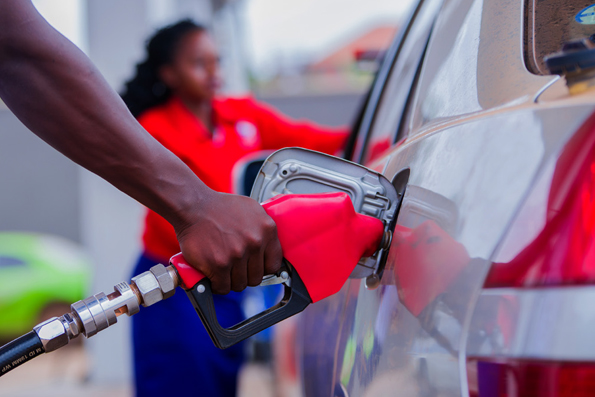
Consumers are expected to pay more for petrol, diesel and liquefied petroleum gas (LPG) from today, July 16, as the second pricing window for July takes effect.
Industry projections by the Chamber of Oil Marketing Companies (COMAC) indicate that petrol prices could increase by 5.3%, diesel by 7.5%, and LPG by 1.3%.
The expected increases are being driven by rising global crude oil prices and the recent depreciation of the cedi, both of which have increased the cost of importing petroleum products into Ghana.
Global oil prices push fuel costs higher
According to COMAC, renewed volatility in global energy markets has contributed to the latest price adjustments.
Geopolitical tensions, particularly concerns over the security of oil shipments through the Strait of Hormuz and renewed tensions between the United States and Iran, have pushed international crude oil and refined petroleum product prices higher.
As a result, Brent crude oil has climbed above US$80 per barrel, increasing the cost of fuel imports.
Because Ghana relies heavily on imported refined petroleum products, changes in international oil prices are often reflected in local pump prices.
The weakening of the cedi against major trading currencies has further increased import costs, adding to the upward pressure on domestic fuel prices.
NPA raises official price floors
Fresh figures from the National Petroleum Authority (NPA), cited by Citi Business News, show increases in the official price floors for the second pricing window of July.
The minimum price for petrol has increased to GH¢13.28 per litre, up from GH¢12.79, representing a rise of GH¢0.49 or 3.8%.
Diesel’s price floor has risen from GH¢13.54 to GH¢14.35 per litre, an increase of GH¢0.81 or 6%.
The minimum price for LPG has also increased slightly to GH¢10.19 per kilogram, up from GH¢10.11, representing a 0.8% increase.
The price floors serve as the minimum benchmark prices below which Oil Marketing Companies (OMCs) and LPG Marketing Companies (LPGMCs) are not expected to sell petroleum products during the pricing window.
Higher transport and business costs expected
The latest fuel price increases are expected to put additional pressure on household budgets and business operating costs.
Diesel, which powers commercial transport, agriculture, manufacturing and mining, is expected to record the largest increase. This could raise logistics costs and eventually lead to higher prices for goods and services if businesses pass the additional expenses on to consumers.
The adjustments also pose a challenge to Ghana’s recent progress in slowing inflation, as higher energy costs often affect prices across the wider economy.
With geopolitical tensions continuing to influence global oil markets and exchange rate movements remaining a key factor in import costs, consumers could face further fuel price increases in the coming pricing windows.
