
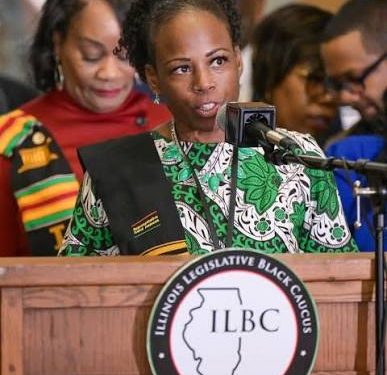
A member of the Illinois House of Representatives in the United States, Carol Ammons, has expressed support for President John Dramani Mahama’s campaign for reparations for people of African descent.
She described reparations as a matter of justice and an important tool for Africa’s long-term development.
Speaking during a meeting with the Upper East Regional Minister, Akamugri Donatus Atanga, in Bolgatanga on Wednesday, July 2, Ammons said reparations are necessary to address the lasting effects of slavery, colonialism and the transatlantic slave trade.
She said these historical injustices continue to affect African countries and people of African descent around the world.
“We have taken many steps toward reparations for our people, and we believe that reparations are due to our people,” she said.
Ammons argued that reparations should be viewed as part of a broader strategy to promote Africa’s development.
“I believe that reparations are part and parcel of the development strategy that is due to Africa as a whole, and certainly for regions that experienced the brutality of colonialism and the trafficking of African people to the Western Hemisphere,” she said.
The US legislator also expressed support for President Mahama’s efforts to advance the reparations agenda at the international level, including at the United Nations.
“We want to support our President in his efforts at the United Nations to build consensus among African leaders and the international community on the issue of reparations for our people,” she said.
Ammons urged African governments, development partners and members of the African diaspora to work together to ensure that discussions on reparative justice lead to meaningful economic and social benefits.
She said the long-term effects of systemic injustice continue to limit opportunities for people of African descent.
“Our people cannot fully rise under the conditions that history has placed upon them. Addressing those historic injustices is essential if we are to build a more equitable future,” she said.
Her remarks come as African leaders and advocacy groups continue to push for greater international recognition of the impact of slavery and colonialism, with growing calls for reparations as part of a wider agenda for justice, reconciliation and sustainable development.
