
The Ministry of Local Government, Chieftaincy and Religious Affairs says it is considering the adoption of an anti-witchcraft accusations bill aimed at ending the persistent abuse, violence and discrimination associated with witchcraft allegations in Ghana.
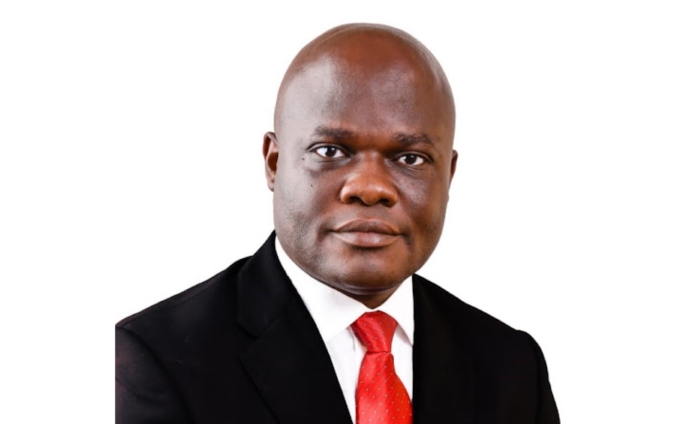
Addressing Parliament, the Minister for Local Government, Chieftaincy and Religious Affairs, Ahmed Ibrahim, said the proposed Private Member’s Bill, introduced by the Member of Parliament for Madina, Francis-Xavier Sosu, seeks to criminalise witchcraft accusations, protect victims and sanction offenders.
He explained that although the bill has been laid before Parliament, it has not yet been passed into law.
Government reviewing legal framework
Mr Ibrahim said the ministry is also reviewing anti-witchcraft laws from other countries in the sub-region to help align Ghana’s legal framework with international human rights standards.
He stressed that collaboration with the Ministry of Gender, Children and Social Protection would be essential to provide comprehensive protection for victims.
“Collaboration with the Ministry of Gender, Children, and Social Protection remains essential to safeguard vulnerable populations and ensure comprehensive protection mechanisms, including shelters for victims of witchcraft accusations, domestic violence, child trafficking, and child marriage,” he said.
He called on Parliament, traditional leaders, religious organisations and civil society groups to support efforts to eliminate witchcraft-related abuse.
“Let Ghana be known not for exclusion and fear but for dignity, compassion, and justice for all,” the minister urged.
Concerns over attacks on vulnerable people
Mr Ibrahim made the remarks while responding to a question from Kumawu MP Ernest Yaw Anim on measures being taken to mobilise chiefs and community leaders to combat witchcraft accusations.
He described the practice as a serious social challenge that disproportionately affects women, older persons and children, often leading to stigma, violence and social exclusion.
According to the minister, the absence of a specific law criminalising witchcraft accusations has left many victims without adequate legal protection, particularly in rural communities.
He noted that in September 2025, Parliament’s Human Rights Committee assured stakeholders that the bill would be reintroduced for passage and presidential assent.
The Commission on Human Rights and Administrative Justice (CHRAJ) and several civil society organisations have also urged Parliament to expedite the legislation, citing increasing cases of violence linked to witchcraft accusations.
Chiefs to play key role
Mr Ibrahim said traditional authorities would be central to changing public attitudes and ensuring community acceptance of the proposed law.
He explained that chiefs, queen mothers and religious leaders wield significant influence within their communities and can help discourage harmful practices while promoting reconciliation and respect for human rights.
To support this effort, the ministry plans to engage traditional rulers, faith-based organisations, legislators and community stakeholders through nationwide dialogue on the dangers of witchcraft accusations.
The ministry also intends to incorporate the perspectives of traditional leaders into the proposed legislation and strengthen collaboration with the Gender Ministry to improve shelter services, psychosocial support and the reintegration of victims.
Mr Ibrahim said community-based mechanisms led by chiefs and religious leaders would also be promoted to help prevent violence and protect vulnerable groups from domestic and gender-based abuse.
He expressed optimism that these interventions would encourage traditional councils and faith-based organisations to publicly reject witchcraft accusations, reduce related violence and strengthen legal protections for victims while promoting respect for human dignity.
