The Ministry of Gender, Children and Social Protection is reviewing Ghana’s laws on the age of consent and the legal age of marriage.
The move aims to strengthen child protection and address concerns about teenage pregnancy and child abuse.
Reviewing Legal Differences
Under Ghana’s current laws, the Children’s Act sets the legal age of marriage at 18 years. However, the Criminal Code allows individuals aged 16 and above to consent to sex.
Many child rights advocates have raised concerns about the gap between the two laws. They argue that some people exploit this difference, putting young girls at greater risk.
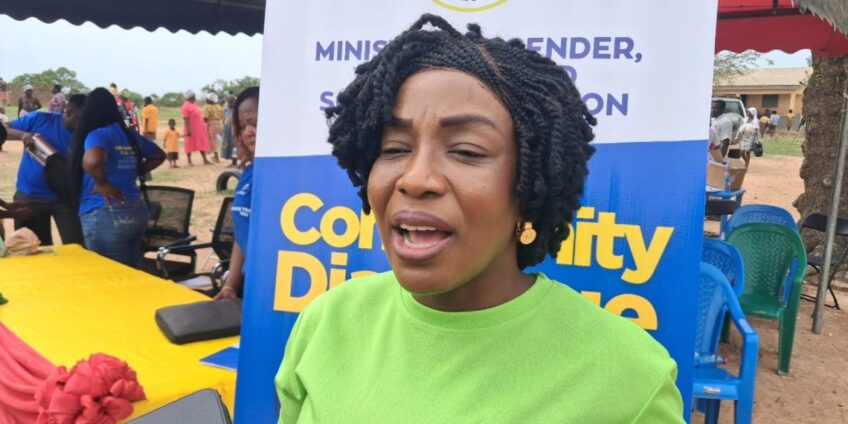
Speaking at a community dialogue in Dachio in the Bolgatanga East District, Director for Social Protection Francisca Atuluk said the Ministry is working on reforms.
“There have been a lot of calls and advocacy for these two ages to be reconciled. We are working on an amendment,” she said.
Ms Atuluk explained that Gender Minister Dr Agnes Naa Momo Lartey has tasked a team to review the issue as part of amendments to the Children’s Act.
Public Consultations Planned
According to Ms Atuluk, the Ministry wants to hear from a wide range of stakeholders before proposing changes.
“The Ministry is very much aware, and the Honourable Minister is leading that charge to let us have a public dialogue to see what we can do,” she said.
She expressed confidence that the ongoing review would help strengthen legal protections for children and adolescents.
Efforts to Reduce Teenage Pregnancy
Ms Atuluk said the government remains committed to reducing teenage pregnancy through education and social protection programmes.
She highlighted initiatives such as the School Feeding Programme, the Capitation Grant, Free SHS and the distribution of free sanitary pads.
According to her, these programmes help keep girls in school and support their education.
Community Dialogue
The dialogue brought together government officials, traditional leaders, civil society groups, development partners and community members.
Participants discussed issues including child marriage, domestic violence, human trafficking, teenage pregnancy and substance abuse.
As part of the event, the Ministry also registered residents onto the National Health Insurance Scheme (NHIS) free of charge to improve access to healthcare.
This version reduces passive voice, uses shorter sentences, introduces subheadings, and simplifies vocabulary for a broader audience.
