
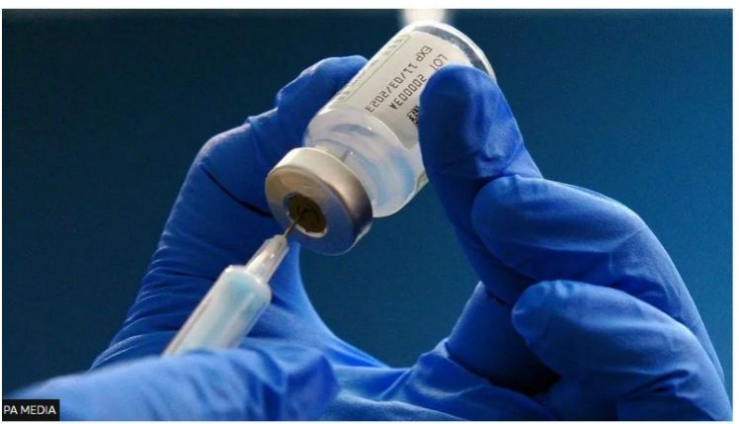
Many Ghanaians have expressed support for government plans to establish local vaccine manufacturing, describing the initiative as a significant step toward strengthening the country’s healthcare system and reducing reliance on imported vaccines.
The initiative, being driven through the National Vaccine Institute, forms part of efforts to achieve vaccine sovereignty and ensure a reliable supply of life-saving vaccines for the population.
Speaking to Adom News, several residents said the move could transform Ghana’s healthcare and pharmaceutical sectors.
“For years, we have depended on imported vaccines and medicines. If Ghana can produce its own vaccines, it will be a big achievement for the country,” one respondent said.
Boosting Health Security
Many respondents noted that local vaccine production would help improve access to essential vaccines while reducing the country’s vulnerability during global health emergencies.
The COVID-19 pandemic exposed challenges many developing countries faced in securing vaccines, prompting calls for greater self-sufficiency in vaccine production across Africa.
Although some respondents said they were not fully aware of the progress made so far, they applauded the initiative and urged government to accelerate implementation.
“We have good scientists, doctors and health professionals in Ghana. If they are given the needed support, I believe they can produce quality vaccines for us,” another respondent stated.
Confidence in Local Expertise
Several respondents expressed confidence in Ghanaian professionals and institutions to successfully deliver the project.
They said the country’s pool of scientists, researchers and healthcare experts provides a strong foundation for local vaccine production.
However, many stressed that maintaining high standards would be crucial to gaining public trust.
Trust in Regulatory Oversight
Respondents indicated that their confidence in locally produced vaccines would depend largely on strict oversight from regulatory bodies, particularly the Food and Drugs Authority (FDA).
“I trust that the FDA will do its work to ensure that any vaccine produced in Ghana is safe and effective before it reaches the public, as they do with other products. We should trust them,” one respondent said.
Others argued that local vaccine production presents an opportunity to change the perception that imported products are always superior to locally manufactured ones.
“We always think foreign products are better, but if our own experts produce vaccines that meet international standards, we should support and trust them,” another respondent noted.
Call for Public Education
Respondents also called for continuous public education and awareness campaigns to address misconceptions about vaccines and build confidence in locally manufactured products.
They believe effective communication will be essential as Ghana advances plans to produce vaccines domestically.
Many expressed optimism that a successful vaccine manufacturing programme would not only strengthen Ghana’s health system but also position the country as a leading pharmaceutical hub in the West African sub-region.
If successfully implemented, they said, the initiative could improve healthcare outcomes, create jobs and enhance Ghana’s preparedness for future public health emergencies.
