A new report has revealed that only 11.8% of private and international schools in Ghana consistently teach a Ghanaian language, raising concerns about the future of the country’s cultural identity.
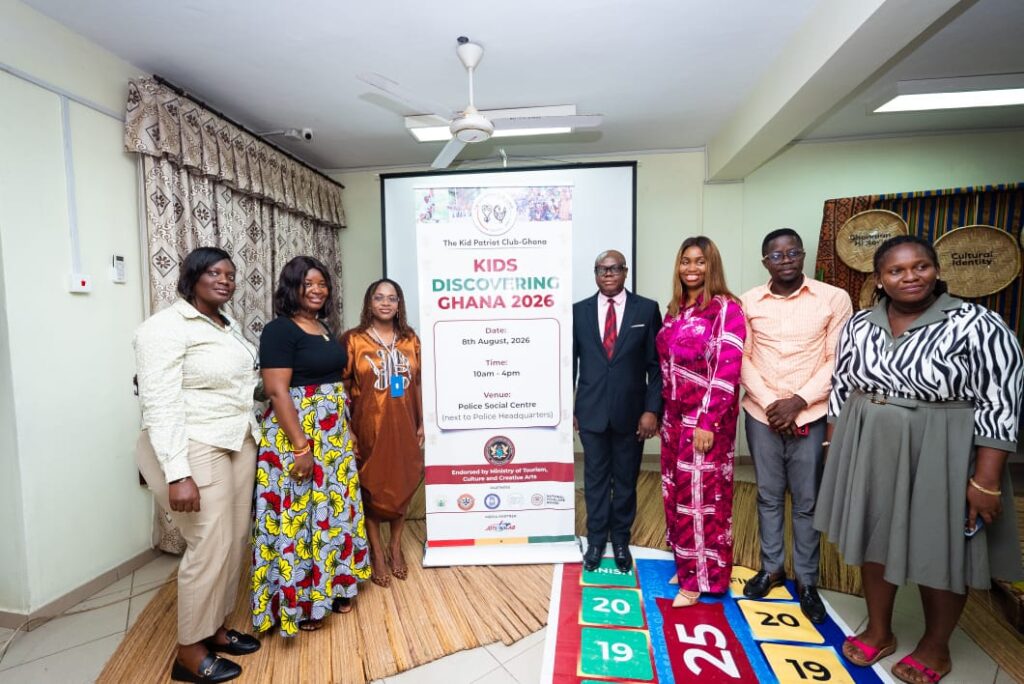
The findings were presented at the launch of the Kids Discovering Ghana initiative, an educational programme that promotes cultural awareness among children.
The report also found that about 71% of private and international schools do not include traditional games in their learning activities. Stakeholders say this trend limits children’s exposure to indigenous knowledge, values and cultural practices.
Founder of the Kids Patriot Club and Kids Discovering Ghana, Eleanora Baffour-Agyei, described the situation as a growing national concern.
“There is a quiet, devastating national disaster,” she said.
According to her, many children are becoming disconnected from their linguistic, cultural and historical roots.
She stressed that language is a key part of identity and plays an important role in preserving culture and traditional knowledge.
“Every time a Ghanaian child is unable to speak their mother tongue, a piece of our history dies,” she said.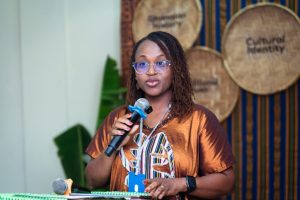
Director of the Bureau of Ghana Languages, Ebenezer Ahiator, echoed those concerns and emphasised the importance of teaching local languages.
He noted that language goes beyond communication and serves as a bridge between generations.
“When a child learns to say ‘Maakye’ in Twi, ‘Kormando’ in Dagbani, or ‘Oo ba ke’ in Ga, they are not just learning vocabulary. They are inheriting the wisdom, proverbs and worldview of their grandparents,” he said.
Mr Ahiator warned that many young people are becoming more familiar with foreign cultural references than Ghanaian traditions and historical figures.
“Our children are slowly losing their grip on who they are,” he cautioned.
The Ministry of Tourism, Culture and Creative Arts has thrown its support behind the initiative.
The Ministry described cultural education as a critical tool for nation-building and identity development.
According to the Ministry, teaching children about Ghana’s languages, traditions and heritage helps build national pride and civic responsibility.
“By immersing our younger generation in the rich heritage, diverse languages and vibrant traditions of our motherland, we are securing the very soul of Ghana’s future,” the Ministry said.
Stakeholders at the launch called for stronger cooperation among government agencies, schools and the media to promote Ghanaian languages and cultural traditions.
The Kids Discovering Ghana initiative started in 2017 as a community project. It has since grown into a nationwide programme that has reached more than 1,500 children through cultural and educational activities.
Organisers said the 2026 edition will feature language-learning corners, traditional games, cultural performances and civic education sessions.
They believe these activities will help reconnect children with Ghana’s rich cultural heritage and encourage greater use of local languages among future generations.
