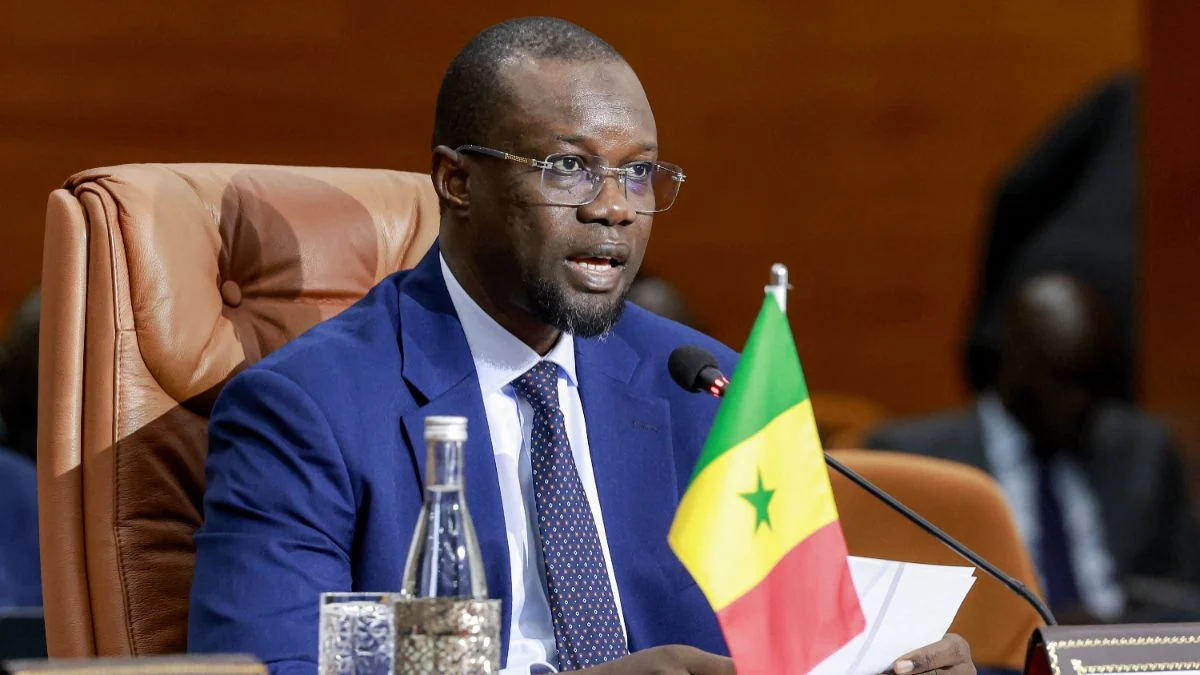
The government of Senegal has banned all non‑essential foreign travel by ministers after a sharp rise in oil prices linked to the conflict in Iran, the prime minister has announced.
Addressing a youth rally on Friday, Prime Minister Ousmane Sonko said the cost of crude oil had climbed to nearly twice what had been budgeted for, prompting the new travel restrictions. Sonko revealed that he had postponed planned trips to Niger, Spain and France in line with the measures. He added that the minister of mines would outline additional steps to reduce government expenditure in the coming week, BBC said.
Senegal’s decision follows similar responses across Africa to rising global oil costs, which have forced some countries to cut fuel levies and ration electricity to ease pressure on consumers.
At the youth event, Sonko said his aim was not to alarm people but to give them “a sense of this world, which is a difficult world.” He acknowledged the challenges facing Senegalese citizens but emphasised their resilience, according to BBC.
Despite developing its own oil and gas industry, Senegal remains heavily dependent on imported fuel. Last year, the International Monetary Fund (IMF) described the country’s economy as “robust,” with growth approaching 8% and low inflation. However, public debt exceeded 130% of GDP, a burden Sonko attributed to the previous administration a factor he said has made coping with global oil price shocks even more difficult.
Elsewhere on the continent this week, South Africa’s government cut the tax on petrol to moderate pump price increases. In Ethiopia, fuel shortages have forced some government institutions to send staff on annual leave. South Sudan has begun rationing electricity in its capital, Juba, while Zimbabwe is increasing the ethanol content in petrol to stretch fuel supplies.
The report also highlighted global supply pressures arising from the effective closure of the Strait of Hormuz in the Persian Gulf due to the US‑Israeli conflict with Iran. Around 30% of the world’s fertiliser passes through the strait, and disruptions have curtailed supply, raising food security concerns.
Humanitarian organisation the International Rescue Committee (IRC) warned on Wednesday that this situation is creating a “food security time bomb,” particularly for East Africa, which relies heavily on fertiliser imports from the Middle East, BBC added.
