
Living in Accra has always come with opportunity—but in 2026, it also comes with a growing price tag. For many young people, especially recent graduates and early-career workers, the cost of living has become one of the biggest challenges of daily life.
From rent and food to transport and utilities, expenses continue to rise, forcing young Ghanaians to rethink how they live, work, and spend.
Recent estimates show that a single person in Accra needs between GH¢7,000 and GH¢11,300 per month to live comfortably.
However, the average salary in Ghana is significantly lower—around GH¢5,000 monthly—creating a clear gap between income and expenses.
Breaking it down:
- Rent: GH¢2,000 – GH¢4,000 (mid-range areas)
- Food: GH¢2,000 – GH¢3,500 monthly
- Transport: GH¢300 – GH¢800 (public transport)
- Utilities & others: GH¢1,000+
In some cases, housing and utilities alone account for over 40% of total expenses, making them the biggest financial burden.
Rent remains the number one challenge for young people in Accra. While a modest one-bedroom apartment may seem affordable monthly, landlords often demand 1–2 years’ rent upfront, making it difficult for many to secure housing.
In prime areas like East Legon or Airport Residential, rent can go far beyond what an average young worker earns. As a result, many young people are sharing apartments with friends, living farther from the city center or staying longer with family.
Food is another major expense. A moderate monthly food budget ranges between GH¢2,000 and GH¢3,500 for a single person.
Even basic items have seen price increases, and while inflation has slowed, prices have not dropped, they are just rising more slowly.
This has led to lifestyle changes such as cooking more at home instead of eating out, buying in bulk from local markets and cutting down on luxury or imported foods.
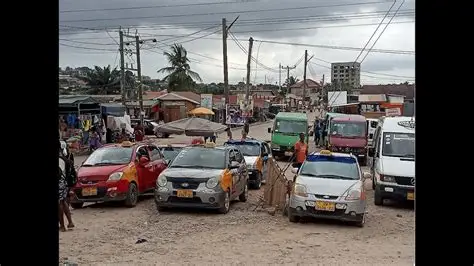
Getting around Accra is another daily cost young people must manage carefully.
Trotro fares: GH¢5–15 per trip. Monthly public transport budget: GH¢300–800. Ride-hailing apps can exceed GH¢1,500 monthly
With fuel prices and traffic congestion affecting transport costs, many young professionals now plan their movements more strategically or rely on shared rides.
Several key factors are driving the high cost of living.
Urbanization: More people moving to Accra increases demand for housing. Imported goods: Many products depend on foreign exchange rates. Fuel prices: Affect transport and food costs. Inflation pressure: Even when it slows, prices remain high.
In fact, Accra is considered one of the more expensive cities in West Africa, especially in upscale neighborhoods. Despite these challenges, young people in Accra are adapting in creative and practical ways:
Side hustles are no longer optional, they are essential. Many young people combine:
- Freelancing
- Online businesses
- Part-time gigs
Roommates and co-living arrangements are becoming the norm to reduce rent costs. Young professionals are cutting unnecessary expenses and focusing on essentials.
Remote work and online jobs are helping some earn in foreign currencies, easing financial pressure. Areas like Madina, Adenta, and Kasoa offer cheaper rent and have become popular among young workers.
One of the biggest issues remains the mismatch between salaries and living costs. In some estimates, the average salary covers only a fraction of monthly expenses, especially when rent is included.
This gap is why many young people feel financially stretched, even when employed full-time.
There is cautious optimism. As Ghana’s economy stabilizes and digital opportunities grow, incomes may gradually improve. However, unless housing and basic living costs become more affordable, pressure on young people will likely continue.
The cost of living in Accra in 2026 paints a clear picture: survival now requires strategy, adaptability, and resilience. Young people are not just working harder—they are thinking smarter, finding new ways to earn, save, and live within their means.
Accra remains a city of opportunity, but for many, it is also a daily balancing act between ambition and affordability.
