
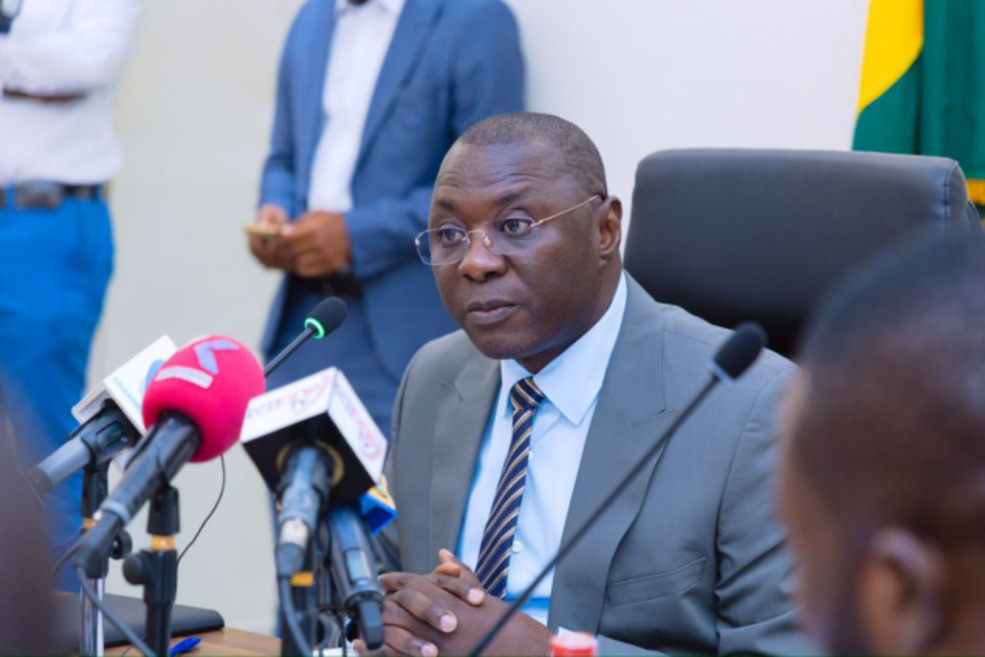
Former Finance Minister Mohammed Amin Adam has raised concerns over the reported sale of a significant portion of Ghana’s gold reserves, questioning both the rationale behind the decision and its implications for economic management.
In a detailed statement shared on his Facebook page on Wednesday night, Dr. Adam criticised what he described as the government’s move to sell more than half of the country’s gold reserves accumulated in recent years.
He argued that the decision undermines the very objective of building such reserves in the first place.
Providing historical context, he noted that the previous New Patriotic Party (NPP) administration had increased Ghana’s gold holdings from about 8.8 tonnes to over 30 tonnes through the Gold for Reserves Policy.
According to him, this strategy was aimed at strengthening the country’s financial stability and reducing reliance on foreign currencies.
Dr. Adam, however, alleged that the current government’s decision to liquidate a substantial portion of these reserves—reportedly generating about US$1.5 billion—raises serious questions about policy direction and financial management.
He argued that while reallocating reserves is not inherently problematic, the scale of the sale and the lack of clarity surrounding the use of proceeds are troubling.
“The central question is not whether reserves can be reallocated, but why such a substantial share was sold, and how the proceeds were used,” he emphasised.
According to the former minister, if the sale were undertaken primarily to offset financial losses, it would signal a shift away from long-term reserve accumulation toward short-term balance sheet repair.
Such a move, he warned, could distort the true picture of economic performance if one-off gains from gold sales are not clearly distinguished from core operational results.
He further called on the Bank of Ghana to provide transparency on the matter, particularly regarding its 2025 financial reporting.
He questioned how the central bank intends to account for any losses alongside the gains realised from the sale of gold reserves.
Dr. Adam also raised concerns about the sustainability of using national reserves to offset operational deficits.
He cautioned that such a practice, if confirmed, could weaken the country’s financial position over time.
Additionally, he challenged the official justification that the sale was intended to rebalance the composition of Ghana’s reserves between gold and foreign currency.
Instead, he suggested that the move may have been driven by the need to address financial losses stemming from internal management issues.
He concluded by urging greater accountability and transparency, stressing that Ghanaians deserve a clear explanation of the decisions affecting the country’s strategic reserves and overall economic health.
