For many members of Generation Z, real life has already provided enough reasons to be afraid.
The generation born roughly between 1997 and 2012 has grown up through major global challenges, including economic uncertainty, school shootings, the COVID-19 pandemic and growing concerns about climate change.
Now, many Gen Z audiences are finding a connection with horror films because the genre reflects some of the fears they experience in everyday life.
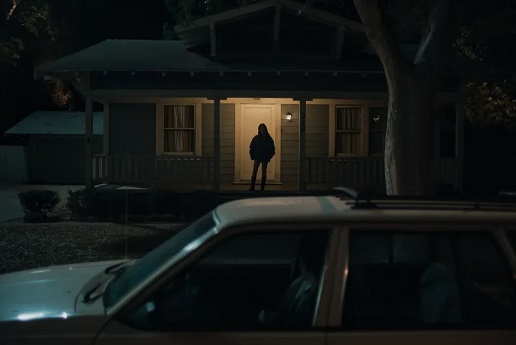
Recent movies such as “Obsession” and “Backrooms” have attracted young audiences by offering more than traditional scares. The films explore deeper issues such as anxiety, isolation, trauma and social pressures.
Lauren Cook, a therapist and author of Generation Anxiety: A Millennial and Gen Z Guide for Staying Afloat in Uncertain Times, said modern horror has changed with Gen Z audiences.
“The genre of horror has kind of shifted with Gen Z, where it’s exploring some darker real-life concepts sometimes rather than just the gore and things like that,” she said.
Horror reflects real-world fears
“Obsession” contains the violence and blood expected from a horror film. The movie follows a man, played by Michael Johnston, who uses a magical toy branch to make the woman he loves, played by Indie Navarrette, return his feelings.
However, the film also explores themes linked to online movements such as red pill culture, which promotes the belief that men face unfair treatment in society and challenges ideas around feminism and traditional values.
The film was directed by 26-year-old YouTuber Curry Baker.
Another recent release, “Backrooms,” takes a more psychological approach. Directed by Gen Z filmmaker Kane Parsons and starring Chiwetel Ejiofor, the film follows a furniture store owner who faces his inner struggles while descending into a darker side of himself.
Inspired by Parsons’ YouTube series, the movie examines themes of isolation, trauma and limited opportunities, issues that many young people say reflect their experiences.
Cook said Gen Z audiences appreciate horror because it does not avoid difficult realities.
“They enjoy the honesty that horror can bring. It’s not trying to sugarcoat things,” she said.
She added that Gen Z’s willingness to confront darker subjects can be viewed as a strength because the generation is more comfortable acknowledging difficult emotions.
A generation shaped by uncertainty
Gen Z experienced childhood during the aftermath of the 2008 financial crisis, which affected families and shaped attitudes about economic security.
As they entered adulthood, many faced a challenging job market, rising living costs and concerns that artificial intelligence could further affect employment opportunities.
The generation has also witnessed major climate events, increased discussions around school safety and a global pandemic that disrupted education and social life.
Despite those challenges, filmmakers continue to find ways to connect with young audiences through horror.
Kaitlyn Ruano, a 23-year-old high school teacher who analyses films and television on her platform The Drama Drive-In, said Hollywood’s latest horror releases are resonating because they reflect the fears and experiences of Gen Z.
For a generation that has lived through repeated uncertainty, horror films may offer more than fear. They provide a space to confront anxiety, process difficult realities and find meaning in uncomfortable experiences.
