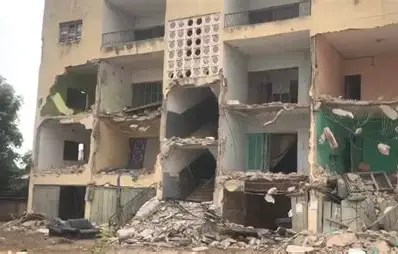
The Osu demolition highlights a growing urban safety crisis in Accra. NADMO’s swift collaboration with the Ghana National Fire Service and the Korle Klottey Municipal Assembly shows how emergency response agencies are prioritizing public safety, but it also underscores deeper structural issues.
A seven-storey building reduced to four floors after repeated collapses is a stark reminder of how ageing infrastructure, poor maintenance, and weak enforcement of building codes can converge into disaster.
What stands out is the Interior Minister’s disclosure that 16 other unsafe buildings have already been flagged for demolition. That suggests this isn’t an isolated incident but part of a wider pattern of structural vulnerability across the capital.
The timing during the rainy season adds urgency, since heavy downpours accelerate deterioration and increase collapse risks. The recent Avenor tragedy, where three lives were lost, makes the stakes painfully clear.
This situation raises three pressing questions for Accra’s urban future.
Are municipal authorities empowered enough to enforce building codes before structures reach crisis point? Could mandatory structural audits for older buildings prevent sudden collapses?With rains worsening vulnerabilities, how can Ghana’s urban planning adapt to climate-linked risks?
