
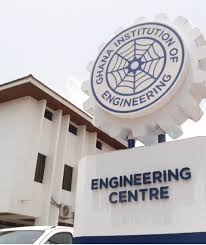
The Ghana Institution of Engineering (GhIE) has called for urgent reforms to the country’s stormwater management systems, warning that Ghana could face more severe flooding if authorities fail to act.
In a policy brief copied to the Ghana News Agency, the institution said existing drainage systems can no longer meet the demands of rapid urban growth, climate change and rising flood risks.
GhIE said many of Ghana’s drainage systems were designed to move stormwater away as quickly as possible. However, the institution believes this approach no longer works in modern cities.
According to the policy brief, rapid urban expansion, widespread paving of land and poor waste management have put significant pressure on drainage networks.
“Rapid urban expansion, widespread paving of land surfaces, poor waste management practices, and increasing rainfall intensity have significantly exceeded the capacity of existing drainage networks,” the report stated.
The institution said flooding in Accra has moved beyond a seasonal problem and has become a major structural challenge.
GhIE noted that flooding incidents have increased over the past decade. The institution said some floods now occur even during periods of relatively low rainfall.
It explained that this trend points to weaknesses in the country’s stormwater management systems rather than climate change alone.
The institution also raised concerns about drains clogged with waste.
According to the report, many drains now serve as channels for solid waste. This reduces their capacity and limits their ability to carry water during heavy rains.
GhIE further identified the Odaw-Korle drainage system as one of the areas contributing to recurring floods in parts of Accra.
The institution said poor coordination among state agencies continues to affect flood management efforts.
“Responsibilities are spread across multiple agencies, while administrative boundaries often do not align with natural drainage basins,” the report noted.
GhIE said this situation makes it difficult to implement effective catchment-wide planning.
To address the problem, GhIE is urging authorities to adopt decentralised and nature-based stormwater management systems.
The institution recommended measures such as permeable pavements, rain gardens, bioswales, green roofs and rainwater harvesting systems.
It also called for a national post-development runoff control policy. Such a policy would ensure that new developments do not increase flood risks.
Other recommendations include stronger enforcement of land-use regulations, protection of waterway buffer zones and increased private-sector investment in green infrastructure.
GhIE believes these measures could reduce flooding, improve water quality and lower long-term infrastructure costs.
The institution also said the proposals could create jobs and strengthen Ghana’s ability to adapt to climate change.
“The evidence is clear,” the report concluded. “Ghana must shift from downstream, conveyance-based engineering to upstream, decentralised, nature-mimicking stormwater management. The time for policy reform is now.”
According to GhIE, the recommendations align with international best practices and support the achievement of key United Nations Sustainable Development Goals, including clean water, sanitation and sustainable cities.
