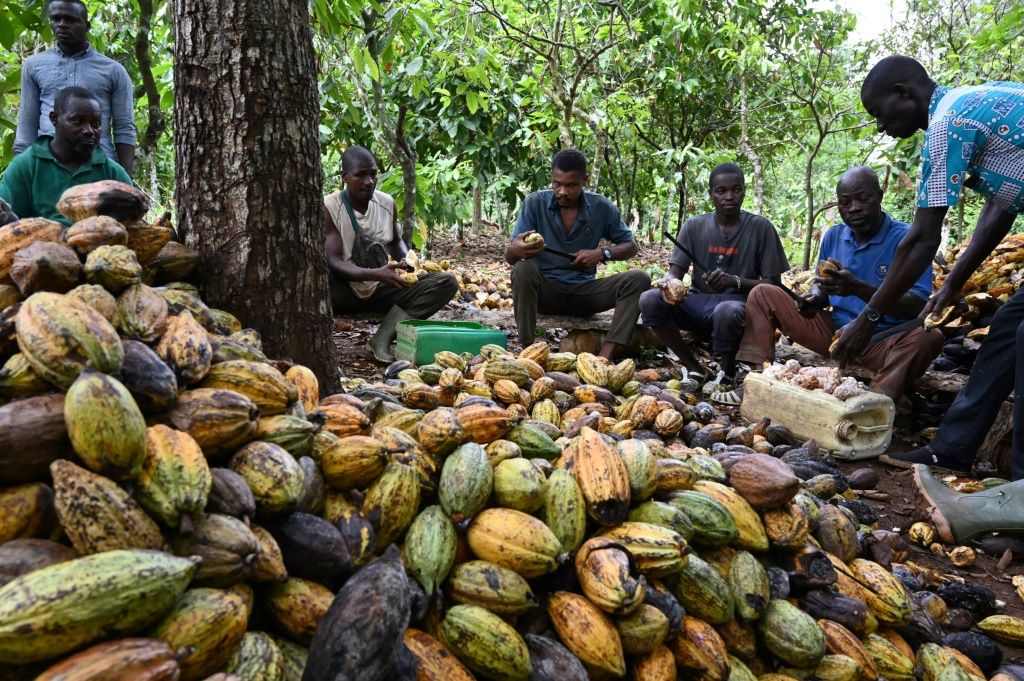
Ghana is preparing to raise approximately $1 billion through domestic bond issuances to finance cocoa purchases ahead of the 2026/27 crop season, as authorities seek to restructure the country’s cocoa financing model and reduce dependence on foreign borrowing.
According to reports citing sources familiar with the discussions, the planned bond programme forms part of broader efforts to stabilise funding for the cocoa sector following recent market volatility.
Ghana, the world’s second-largest cocoa producer, has faced mounting financial pressure after the sharp correction in cocoa prices that followed the commodity’s historic rally in 2024. The volatility exposed vulnerabilities within the country’s traditional cocoa financing system, prompting policymakers to reassess how cocoa purchases are funded and managed.
Speaking at the Africa Cocoa Investment Forum in London, Randy Abbey, head of the Ghana Cocoa Board, disclosed that the proposed bond is expected to be denominated in Ghana cedis and issued before the start of the next cocoa season around August.
According to Abbey, the move is intended to reduce Ghana’s long-standing dependence on dollar-denominated borrowing and foreign lenders while taking advantage of improving domestic financial conditions.
He noted that declining interest rates and easing inflation have created a more favourable environment for accessing the local debt market.
Authorities also believe the initiative could provide a more stable and sustainable financing structure for the cocoa industry, which has historically relied heavily on trader-backed syndicated loans to fund cocoa purchases from farmers.
The financing challenges have also exposed deeper liquidity strains within Ghana’s state-controlled cocoa purchasing framework.
Producer Buying Company, the state-owned cocoa purchasing firm, has reportedly struggled to maintain operations after accumulating debts estimated at GH¢673 million.
Under Ghana’s cocoa marketing system, PBC is legally required to act as a buyer of last resort, purchasing cocoa from farmers across the country. However, reports indicate that the company has faced severe liquidity constraints, leaving it unable to fully meet payment obligations to farmers.
Despite government assurances earlier in the year aimed at restoring PBC’s position within the cocoa sector, the company reportedly owed farmers millions of cedis for cocoa deliveries while struggling to sustain ongoing purchases.
The cocoa sector developments come at a time when Ghana’s inflation trend is showing early signs of renewed pressure.
Annual inflation reportedly rose to 3.4% in April 2026 from 3.2% in March, marking the first upward movement since December 2024.
Meanwhile, the Bank of Ghana has continued its monetary easing cycle, having reduced interest rates steadily since July 2025 amid rapidly slowing inflation.
In January 2026, the central bank cut its benchmark policy rate by 250 basis points to 15.50%, before lowering it again to 14% in subsequent policy decisions, marking five consecutive rate reductions.
Analysts say the proposed domestic bond programme represents a strategic shift in how Ghana finances one of its most important export sectors.
By relying more heavily on local currency financing, authorities hope to reduce exposure to foreign exchange risks, improve funding stability, and strengthen the long-term resilience of the cocoa value chain.
However, the success of the strategy will likely depend on investor confidence, domestic market liquidity, and the government’s ability to manage broader macroeconomic pressures while sustaining support for cocoa farmers.
