

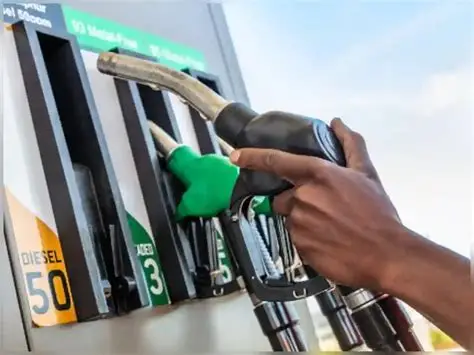
Fuel prices in Ghana have surged again, becoming a major topic of discussion across the country. The latest adjustments, which took effect in mid-March 2026, reflect rising global oil prices and ongoing economic pressures.
For many Ghanaians, the increase is already being felt in transportation costs, food prices, and general living expenses.
According to recent updates from the National Petroleum Authority, fuel prices have seen significant increases:
-
Petrol: Around GH¢11.57 per litre (up from GH¢10.46)
-
Diesel: Around GH¢14.35 per litre or higher, depending on the station
-
Some projections suggest petrol could reach GH¢14+ per litre and diesel GH¢15–16 per litre at certain outlets.
Prices may vary across fuel stations, with some Oil Marketing Companies already adjusting above the minimum price floor.
Rising crude oil prices are the biggest driver of the increase. Global tensions, especially in the Middle East, have pushed oil prices above $100 per barrel in recent weeks.
Because Ghana imports refined petroleum products, any increase in global oil prices directly affects local pump prices.
Fuel is priced in U.S. dollars, meaning fluctuations in the Ghanaian cedi also impact final prices. A weaker cedi leads to higher fuel costs.
The National Petroleum Authority periodically reviews and sets a minimum price (price floor) for fuel to reflect market conditions.
The latest revision for the March pricing window pushed prices upward significantly.
The rise in fuel prices has widespread effects:
-
Transport fares likely to increase.
-
Food prices may rise due to higher delivery costs.
-
Businesses face increased operational expenses.
-
Inflation risks could grow.
The Bank of Ghana has already warned that rising oil prices could threaten recent progress in reducing inflation.
Experts predict that fuel prices may continue to fluctuate depending on:
-
Global oil market stability
-
Exchange rate movements
-
Government policies and taxes
If global tensions persist, further increases cannot be ruled out.
Fuel prices are dominating headlines because:
-
Sharp increases within a short period
-
Direct impact on the cost of living
-
Global oil market instability
-
Public concern over economic pressure
The issue has become a key topic in both economic discussions and everyday conversations.
Fuel prices in Ghana today reflect a combination of global and local economic pressures. While the increases are largely driven by international oil markets, their impact is deeply felt at the local level.
As Ghanaians adjust to rising costs, attention will remain on how policymakers and regulators respond in the coming weeks.
