
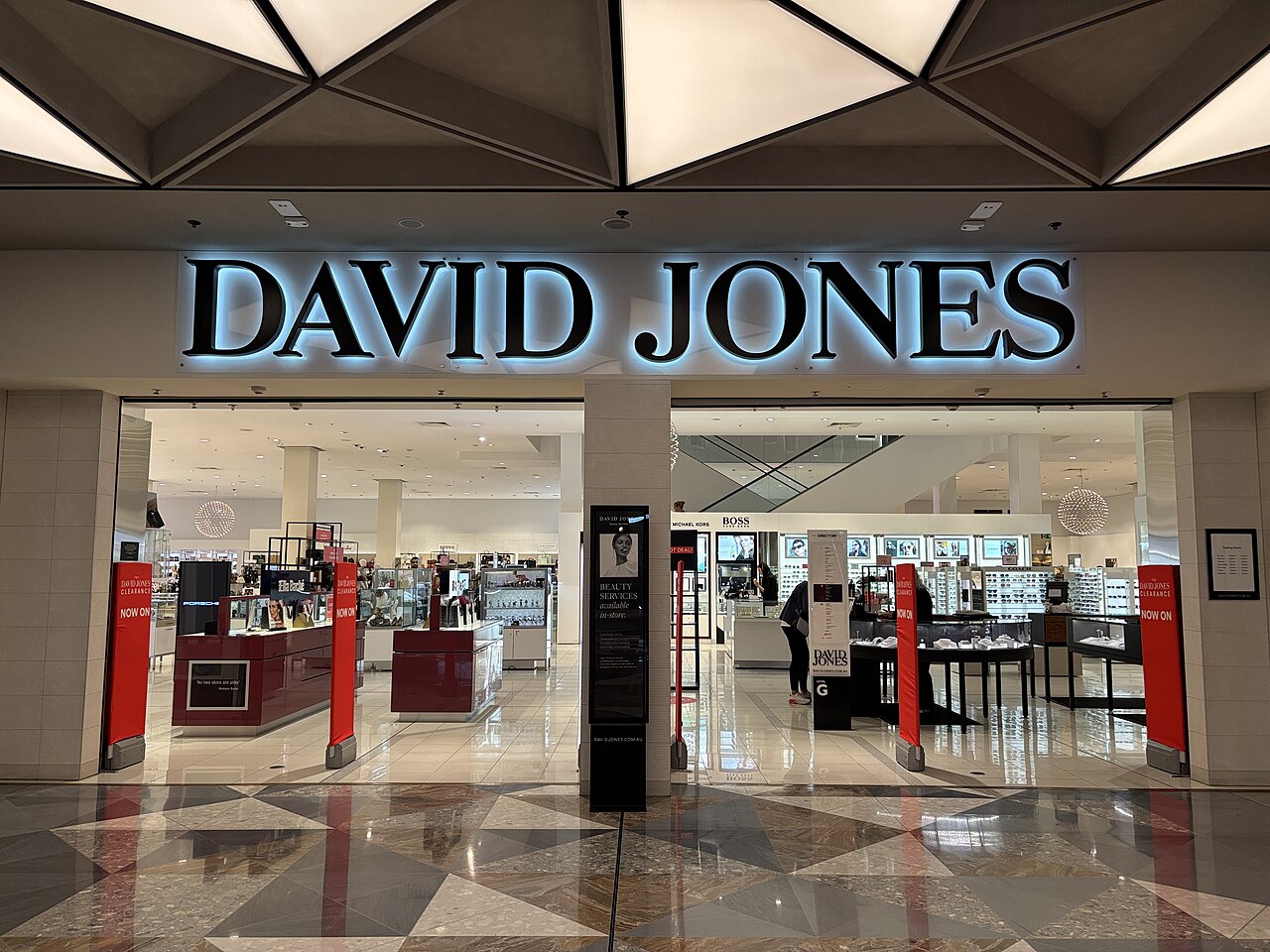
David Jones will close 19 of its 38 stores by the end of the year, receivers FTI Consulting announced on November 11, 2026, in a major restructure of the 188-year-old department store chain. The closures affect half of the retailer’s physical network across Australia and New Zealand, and about 1,500 jobs are at risk.
The announcement came less than a week after David Jones entered voluntary administration on November 5. McGrathNicol was appointed as administrator, and the chain’s secured lender, Hilco Capital, appointed FTI Consulting as receivers. The receivers said the affected stores would keep trading for now, with no fixed final date for each closure, but they expect the stores to stop trading by the end of the year. The stores are expected to keep trading through the Christmas shopping period before shutting.
The closures are concentrated in suburban shopping centers. In New South Wales, seven stores will close: Green Hills, Hornsby, Macarthur Square, Macquarie Centre, Parramatta, Warringah Mall, and Wollongong Central. In Victoria, three will close: Glen Waverley, Highpoint, and Malvern Central. In Western Australia, three will close: Carousel, Garden City, and the Hay Street Mall store in Perth’s central business district. Queensland loses two, Robina Town Centre and Sunshine Plaza. South Australia loses two, Marion and West Lakes. The Australian Capital Territory loses one, Woden in Canberra. The chain’s only store in New Zealand, at Newmarket in Auckland, will also close, leaving David Jones without a physical presence in New Zealand.
The capital city flagships have largely survived the restructure, with the Hay Street Mall store in Perth the only city flagship to close. The plan follows a proposal David Jones and its owner, Anchorage Capital Partners, had put to landlords before the collapse: keep 12 stores open at full rent and another seven if landlords agreed to rent relief, while closing the remaining 19. Nine of the closures are in Westfield centers run by Scentre Group, the chain’s largest landlord, and five are in centers managed by GPT Group.
David Jones was founded in Sydney in 1838 and is one of Australia’s oldest and best-known retailers, selling fashion, beauty, homewares, and other premium brands. The first creditors’ meeting on November 17 heard that the company owes creditors at least A$459 million. About 150 potential buyers have been contacted by administrators, with indicative offers due by November 30.
The receivers have started an immediate consultation process for all staff linked to the 19 stores, expected to run for seven days. They have not said how many of the retailer’s 6,000 employees will lose their jobs, but about 1,500 roles are at risk. The retailer has also tightened its change-of-mind exchange policy for purchases made from November 7.
The remaining 19 stores, along with the retailer’s online store, will continue trading as administrators explore options for the business. The company is in voluntary administration and receivership, not liquidation, and the restructure is aimed at giving the smaller business a sustainable future. For shoppers at the closing stores, remaining stock is expected to be discounted or transferred to other locations before the doors shut at the end of December.
